
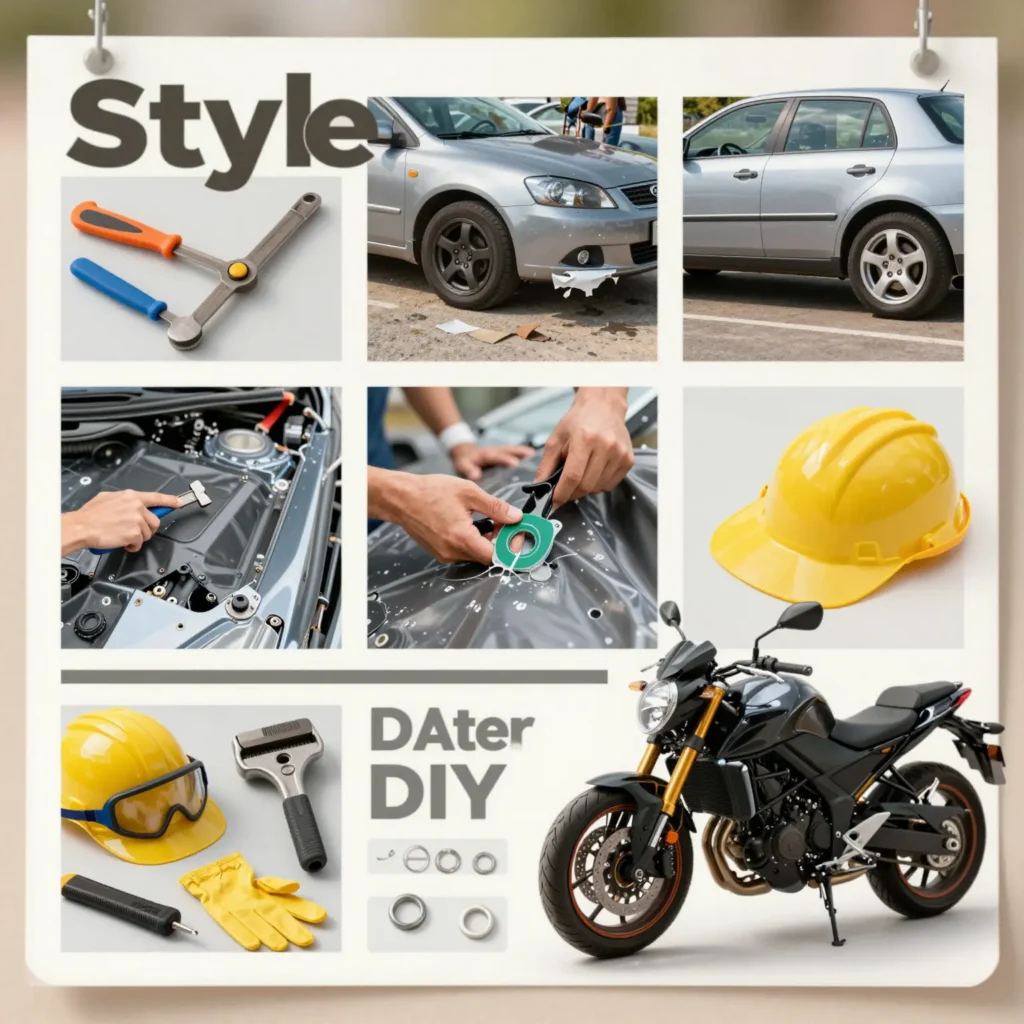
Dealing with auto body damage can be a frustrating experience for motorcycle and car owners alike. Whether it’s a minor scratch from a shopping cart or significant dents from a collision, understanding how to address these issues is crucial for maintaining your vehicle’s appearance and value. Many owners often feel overwhelmed by the repair process, not knowing where to start or whether to attempt DIY fixes. In this article, we will explore common forms of auto body damage and provide authoritative guidance on effective repair techniques. By illuminating the ins and outs of auto body repair, we aim to empower both DIY enthusiasts and those seeking professional help. If you’re looking to enhance your vehicle’s longevity and aesthetic appeal, learn more about maintaining your engine to complement your repair efforts.
Common Auto Body Damage Types
Here’s a table comparing various types of auto body damage, their causes, and potential repair methods:
| Damage Type | Description | Causes | Repair Methods |
|---|---|---|---|
| Scratches | Surface-level damage to the paint or clear coat | Keying, branches, other vehicles | Buffing, polishing, repainting |
| Dents | Indentations on the body panel | Hail, minor collisions | Paintless dent repair (PDR), panel replacement |
| Rust | Corrosion that can compromise structural integrity | Exposure to moisture and salt | Rust removal, body filler application, repainting |
| Collision | Damage from accidents that may affect frame or body | Collisions with other vehicles or objects | Structural repair, panel replacement |
| Vandalism | Deliberate damage such as scratches or broken windows | Malicious acts | Repairing paint, replacing glass |
| Frame Damage | Damage to the vehicle’s structural frame | Major accidents | Frame straightening, replacement of frame parts |
| Windshield Cracks | Damage that hinders visibility | Debris, sudden temperature changes | Windshield repair or replacement |
Insights for Repairing Auto Body Damage
Understanding these common types of auto body damage can help you take preventive steps and approach repairs more effectively. For detailed guidance on DIY repairs, check out our article on how to repair auto paint scratches.
Identifying Auto Body Damage
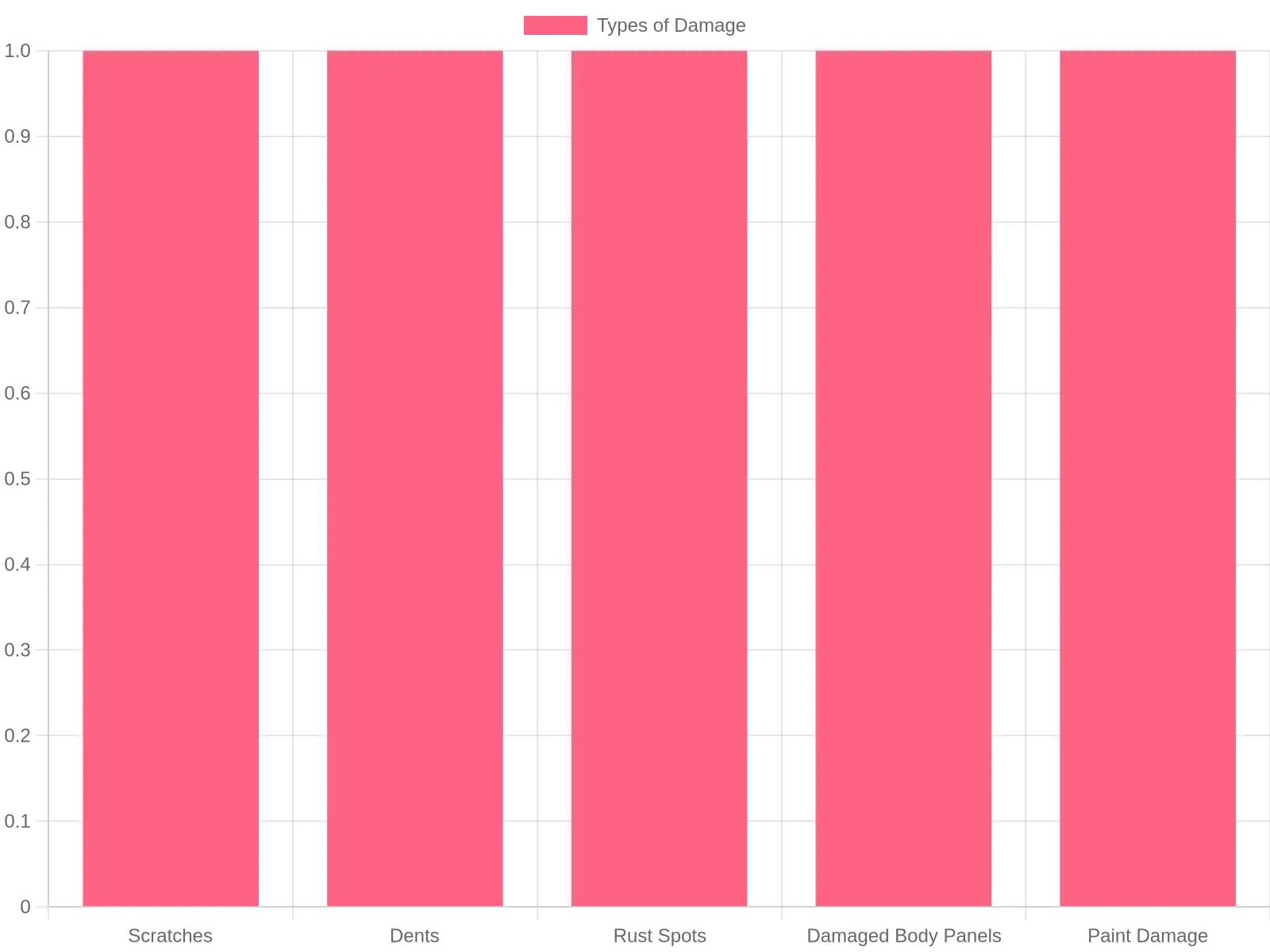
Assessing and identifying auto body damage is crucial for maintaining the integrity and appearance of your vehicle. Whether you’re a motorcycle enthusiast or an auto owner, understanding the types of damage and their signs can help you take timely actions.
Types of Auto Body Damage
It’s important to recognize various types of auto body damage, which can often require different approaches for repair:
| Type of Auto Body Damage | Description / Examples |
|---|---|
| Dents | Small to large depressions on the vehicle surface caused by impact. Example: door dings and hail damage. |
| Scratches | Surface or deeper marks caused by sharp objects or scraping against surfaces. Example: key scratches or brush contact. |
| Rust | Corrosion on metal parts due to exposure to moisture and oxygen. Example: rust spots on wheel wells or undercarriage rust. |
| Collision Damage | Structural and cosmetic damage from vehicle collisions. Example: crumpled fenders or broken bumpers. |

Signs of Auto Body Damage
Identifying the signs of damage early can prevent bigger problems later:
| Sign of Auto Body Damage | Description | Source |
|---|---|---|
| Misaligned Body Panels | Panels that do not align properly, indicating potential structural damage. | Source |
| Visual Dents | Noticeable dents on the car’s surface affecting aesthetics. | Source |
| Paint Damage | Scratches or chips in the paint that can lead to rust. | Source |
| Loose Components | Parts that rattle or move freely which should be securely attached. | Source |
Understanding these forms of auto body damage not only helps in timely repairs but also ensures the safety and longevity of your vehicle. If you’re unsure about any damage, it’s always a good idea to consult with a qualified auto repair expert to evaluate your vehicle’s condition and discuss potential repairs.
Essential Tools for Auto Body Repair
When embarking on auto body repair projects, having the right tools and materials at your disposal is crucial. Here’s an ordered list detailing essential tools for various types of auto body damage repairs:
- Hand Tools
- Hammers and Dollies: Perfect for shaping and smoothing metal. They’re vital for fixing dents and restoring body panels.
- Wrenches and Sockets: These are necessary for removing and installing parts.
- Power Tools
- Angle Grinder: Useful for cutting and grinding metal surfaces. It helps in achieving a smooth finish.
- Sander: An essential tool for prepping surfaces before painting or applying fillers.
- Measuring Tools
- Digital Calipers: For accurate measurements of body parts and ensuring precision during repairs.
- Measuring Tape: A basic yet essential tool for accurate sizing and alignment.
- Repair Materials
- Body Filler: Used for filling imperfections and dents in the vehicle’s surface.
- Automotive Paint: High-quality paint is crucial to restore the vehicle’s finish.
- Rust Inhibitors: Help treat any rust present on the vehicle’s body.
- Safety Gear
- Gloves, Masks, and Goggles: Protecting yourself is paramount while working with automotive materials and tools.
- Miscellaneous Tools
- Heat Gun: Useful for removing old paint and smoothing surfaces.
- Dent Pullers and Slide Hammers: Essential for pulling out dents without damaging the surrounding area.
Having these tools will prepare you for tackling various challenges in auto body repair. For more tips on automotive maintenance and repairs, you can learn more about common engine maintenance mistakes or explore DIY auto repair basics.
Common Auto Body Repair Techniques: A DIY Guide
When it comes to maintaining your vehicle’s appearance, learning some basic auto body repair techniques can save you money and help extend the life of your car. Whether you’re dealing with minor dents, scratches, or paint imperfections, these friendly, step-by-step instructions will guide you through some common auto body repairs.
Dent Removal
Dents can occur from various sources, such as hail, shopping carts, or minor accidents. Here’s a simple method to remove small to medium dents.
What You’ll Need:
- Hairdryer
- Aluminum foil
- Dry ice or a can of compressed air
- Soft cloth
Steps:
- Clean the Area: Start by cleaning the area around the dent to remove any dirt or debris.
- Heat the Dent: Using a hairdryer, heat the damaged area for about 30 seconds. This softens the metal, making it easier to manipulate.
- Apply Aluminum Foil: Cut a piece of aluminum foil and place it over the dent, ensuring it covers the entire area.
- Use Dry Ice or Compressed Air: If using dry ice, press it against the foil. The drastic temperature change should make the metal contract, popping the dent out. If using compressed air, hold the can upside down over the dent and spray to achieve the same effect.
- Finish Up: Once the dent is removed, wipe the area clean with a soft cloth. For more help on dealing with car maintenance, check out our DIY auto repair basics.
Scratch Repair
Scratches in your car’s paint can make it look worn out. Here’s a straightforward way to repair minor scratches.
What You’ll Need:
- Scratch removal kit (includes compound, polishing pad, and touch-up paint)
- Microfiber cloth
- Rubbing alcohol
Steps:
- Clean the Area: Use rubbing alcohol and a microfiber cloth to clean the scratched area, ensuring no dirt is present.
- Apply Scratch Repair Compound: Follow the instructions in your scratch removal kit to apply the compound to the scratch. This often involves using an applicator pad in a circular motion.
- Polish the Area: Once the compound has set, polish the area with your polishing pad for a smooth finish.
- Touch Up the Paint: If the scratch is deep, apply touch-up paint matching your vehicle’s color to restore the finish. Let it dry according to the manufacturer’s instructions.
- Final Polish: Give the repaired section a final polish to blend it with the surrounding paint.
For a deeper dive into touch-up paint techniques, explore our article on how to repair auto paint scratches.
Paint Touch-Up
Over time, your vehicle’s paint may chip or fade. Here’s how to do a quick touch-up.
What You’ll Need:
- Touch-up paint (exact match to your vehicle’s color)
- Paintbrush
- Clear coat spray (optional)
- Sandpaper (optional)
Steps:
- Assess the Damage: Inspect the area for chips or scratches.
- Prepare the Surface: If you’re repairing a larger area, lightly sand to smooth out the edges. Clean the surface afterward.
- Apply Touch-Up Paint: Use a fine paintbrush to apply the touch-up paint carefully into the chip or damaged area.
- Let Dry: Follow the instructions on the paint for drying time. For a polished finish, you may want to add a clear coat once the paint has dried.
- Final Check: Ensure the repairs are smooth by lightly sanding and polishing as needed.
Conclusion
With these basic auto body repair techniques, you’ll be better prepared to tackle common vehicle issues on your own! Not only can you enhance your car’s appearance, but you also gain a rewarding sense of achievement. Always remember, keeping your vehicle in top shape involves regular maintenance. If you need more tips, check out our article on avoiding car maintenance mistakes.
Happy repairing!
“Regular maintenance is key to avoiding costly repairs down the road. A well-maintained vehicle ensures safety, boosts fuel efficiency, and prolongs the life of the automobile.”
- Tommy Keeter, Automotive Maintenance Expert source
Importance of Proper Repairs and Maintenance
For motorcycle owners and auto enthusiasts alike, understanding the significance of regular maintenance cannot be understated. Proper repair and maintenance not only enhance vehicle performance but also ensure safety on the road. By following a strict maintenance schedule, vehicle owners can prevent unexpected breakdowns and more costly repairs in the future.
To gain more insights on avoiding common maintenance mistakes, check out our 10 Common Engine Maintenance Mistakes article for practical tips.
User Experiences in Auto Body Repair: Challenges and Successes
Repairing auto body damage can be a significant undertaking for car owners, and user experiences reveal a mix of challenges and successes that come with the journey. Based on testimonials and reviews sourced from various auto body repair shops and customer feedback platforms, here are the common themes observed:
Common Challenges
- Cost of Repairs:
- Many users express their concerns regarding the affordability of repairs. Unexpected costs can add to the overall financial burden, especially when additional damage is discovered during the repair process.
- Communication Issues:
- Some customers note a lack of clear communication from repair shops. This can lead to misunderstandings regarding timelines, repair expectations, and costs. Customers appreciate transparency and proactive updates, which can significantly enhance their experience.
- Quality of Work:
- While many shops receive high ratings, there are instances where customers report dissatisfaction with the quality of the repairs. Inconsistent craftsmanship can lead to follow-up complaints, particularly in cases where bodywork or paint does not meet expectations.
- Time Delays:
- Delays in the repair process can be frustrating for customers. Some testimonials highlight instances where promised timelines are not met, leading to inconvenience and further dissatisfaction.
Success Stories
- Exceptional Customer Service:
- Many users have shared positive experiences stemming from excellent customer service. Shops that foster a welcoming atmosphere, make customers feel valued, and provide personalized attention often receive the highest praise. For instance, Berks Auto Repair has been commended for treating first-time visitors like family, highlighting their commitment to customer care.
- High-Quality Results:
- Several testimonials reflect satisfaction with the quality of repairs and restorations, praising the craftsmanship that results in vehicles looking as good as new. Turi’s Auto Body specifically showcases numerous success stories that highlight skilled workmanship.
- Trust and Loyalty:
- Users are more likely to return to auto body shops that build trust through reliability and transparent practices. Family-owned shops that incorporate a personal touch have been shown to create loyal customers who share their positive experiences with friends and family.
- Comprehensive Services:
- Testimonials often indicate appreciation for shops that offer a wide range of services, from minor dents to major collision repairs. Customers value the convenience of having multiple repair needs met under one roof.
Conclusion
User experiences with auto body repair reveal significant insights into the industry. While challenges such as cost and communication persist, many customers also find success in quality workmanship and excellent service. For auto owners navigating repair options, considering testimonials and learning from others’ experiences can help in selecting a reliable auto body shop. By addressing common pain points and leveraging successful service elements, both customers and repair facilities can create a harmonious repair experience.
For more insights on enhancing your vehicle’s performance, check out our blog on 10 common engine maintenance mistakes.

Cost Breakdown of Repair Options
The chart above illustrates the median costs for DIY versus professional vehicle repairs:
| Repair Type | Cost Range | Median Cost |
|---|---|---|
| DIY | $250 – $500 | $375 |
| Professional | $800 – $2,500 | $1,200 |
This information is essential for motorcycle and auto owners to make informed decisions about their repair budgets. If you’re considering DIY repairs, check out our guide on DIY auto repair basics to get started!
Conclusion
In conclusion, addressing auto body damage, whether for motorcycles or cars, is not only about aesthetics; it’s about ensuring safety, performance, and value. Timely repairs can prevent small issues from escalating into significant problems, which can ultimately save you time and money. For motorcycle owners especially, understanding the importance of prompt attention to body damage can enhance riding safety and comfort, ensuring you enjoy every ride.
As discussed, neglecting body repairs can lead to detrimental effects on vehicle performance and even safety. For instance, as noted in a recent article from Downtown Auto Body, repairing damage improves both functionality and aesthetics, as issues like dents can affect your vehicle’s aerodynamics, potentially slowing it down. Moreover, delaying repairs can compromise the integrity of your vehicle, leading to more extensive damage over time.
It’s equally critical to choose certified professionals for any repair work. Facilities that are certified ensure that repairs meet high standards, thereby extending your vehicle’s longevity and performance. The article from Auto Body Repair Facility Blog highlights how certified repairs not only restore your vehicle but also enhance its performance.
Call to Action
If you’re looking for reliable solutions for your motorcycle needs, look no further than Summit Fairings. With an extensive array of quality parts and attentive customer service, you can trust them for all your motorcycle body repair solutions. Don’t let auto body damage slow you down; take action today to ensure your ride is always in the best condition!
Explore what Summit Fairings can offer and keep your motorcycle looking and performing its best!