
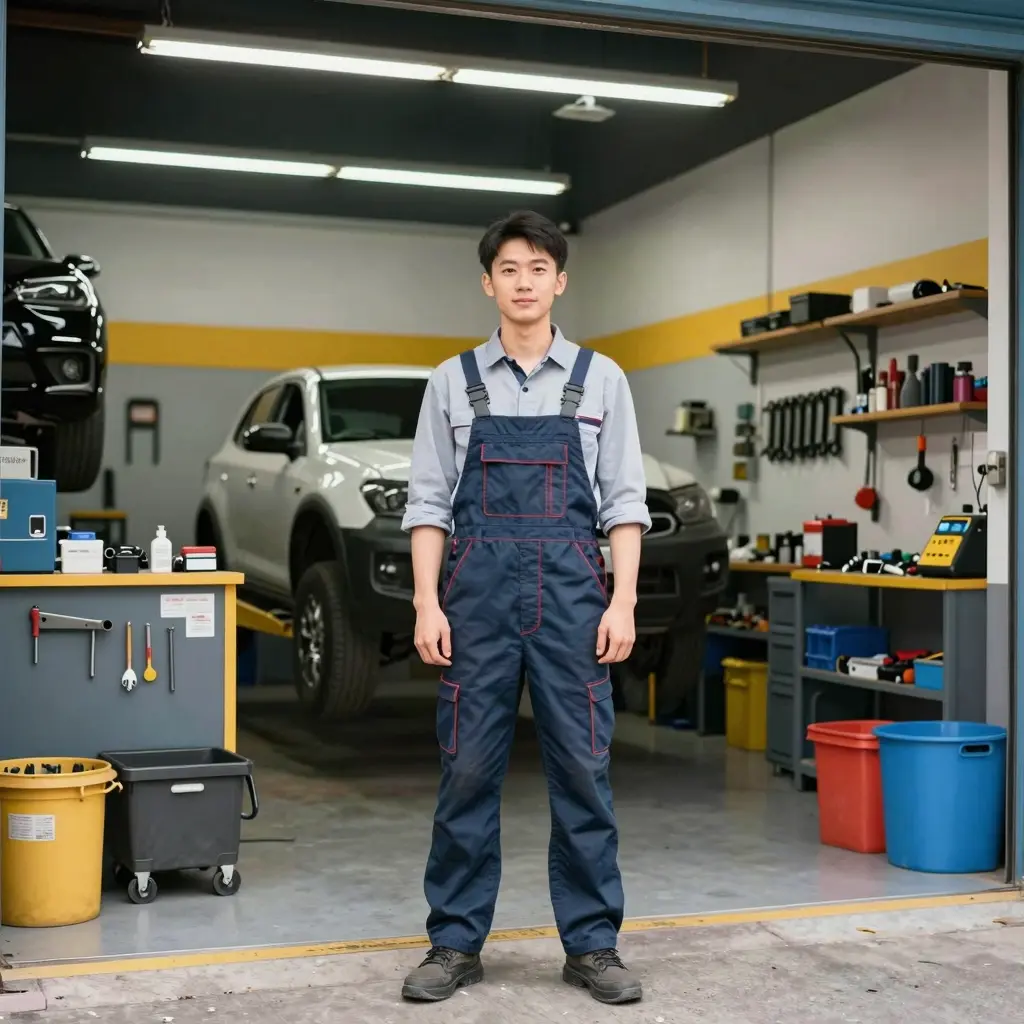
Are you a motorcycle or auto owner pondering the idea of opening your own auto repair shop? You’re not alone! The demand for reliable and skilled repair shops continues to surge as more vehicles hit the roads. With the increasing number of motorcycle enthusiasts and everyday drivers seeking trustworthy services, this could be the perfect opportunity for you to dive into the world of auto repair. Not only does it allow you to blend your passion for vehicles with your entrepreneurial spirit, but it also presents a chance to make a significant impact in your community by providing essential maintenance and repair services. In this guide, we’ll walk you through the steps required to open a successful auto repair shop, ensuring you’re well-prepared to meet the needs of your fellow motor enthusiasts. Unlock savings with DIY oil changes and learn more about the essential skills every driver should possess in our feature on core car maintenance skills.
The Importance of Market Research for Your Auto Repair Shop
Before opening an auto repair shop, conducting thorough market research is paramount. This process allows entrepreneurs to gain insights into the competitive landscape, customer needs, and overall market demand. Here are some essential facets to consider:
Identifying Competitors
- Market Positioning: Analyze other auto repair shops in your area, their services, and their market positioning. Understanding where your competition stands can help you differentiate your offerings.
- Service Offerings: Look into what services your competitors provide, as well as any gaps in their offerings that you could capitalize on. For example, if others don’t specialize in electric vehicle (EV) repairs, that could be a niche for you to focus on.
- Pricing Strategies: Gather data on how competitors price their services. This information is critical in designing your pricing strategy to ensure competitiveness without sacrificing your profitability.
Understanding Customer Needs
- Customer Preferences: Through surveys or community feedback, learn what your potential customers value the most when selecting an auto repair shop. Factors might include reliability, speed of service, and customer care.
- Pain Points: Identifying common problems customers face when visiting auto repair shops allows you to streamline your services and enhance customer satisfaction. Focusing on what customers dislike can inform you about necessary changes in your service model.
- Local Demographics: Be aware of the demographics in your area to tailor your marketing and service offerings effectively. For instance, if the majority of vehicles in your target market are SUVs, ensure you have the expertise to address their specific needs.
Estimating Demand
- Market Trends: With the auto parts sector exceeding $256.5 billion in 2023, including significant growth in EV services, tapping into these trends can forecast potential demand for your shop. (Source: World Metrics)
- Accident Statistics: In 2022, the U.S. saw 7.3 million police-reported crashes, indicating robust demand for auto repairs in body shops. Understanding these figures can help you optimize your operations based on expected work volume. (Source: Gitnux)
- Future Technological Advances: As vehicles become increasingly equipped with advanced technologies, the demand for specialized repair technicians is set to rise. Being proactive in training and service offerings for these technological advancements can set you ahead of the competition. (Source: Transport Topics)
By investing time in market research, you can make informed decisions that position your new auto repair shop for success. This foundational knowledge fosters strategic planning and enhances your competitive edge in a bustling industry. Consider diving deeper into topics like 10 Common Engine Maintenance Mistakes to further enhance your understanding of the maintenance services you’ll provide.
Essential Equipment for Starting an Auto Repair Shop
- Basic Hand Tools:
- Wrenches (metric and standard sizes)
- Screwdrivers (various types and sizes)
- Pliers (needle-nose, slip-joint, and cutting)
- Hammers (ball-peen and rubber mallet)
- Power Tools:
- Drill and drill bits
- Electric or pneumatic impact wrench
- Angle grinder
- Bench grinder for sharpening tools
- Diagnostic Equipment:
- OBD-II scanner for diagnostics
- Engine compression tester
- Multimeter for electrical testing
- Brake fluid tester
- Lifts and Jacks:
- Motorcycle lift for easy access to undercarriage
- Floor jack to raise vehicles
- Jack stands for safety during repairs
- Safety Equipment:
- First aid kit for emergencies
- Fire extinguisher rated for flammable liquids
- Safety goggles, gloves, and ear protection
- Workbenches and Storage:
- Heavy-duty workbench with drawers for tools
- Tool chest for organized storage
- Shelving units for parts storage
- Specialized Tools:
- Torque wrench for precise tightening of bolts
- Oil filter wrench
- Timing light for adjusting engine timing
- Fluid Management:
- Oil drain pan for safe oil changes
- Coolant flush machine for all vehicles
- Waste oil disposal tank to manage used oil legally
- Machinery for Specific Repairs:
- Tire changer and balancer for wheel repairs
- Welding machine for metal repairs and fabrication
- Brake lathe for resurfacing brake rotors
- Overlooked Essentials:
- Shop manual or repair database subscription for accurate repair guides
- Parts washer to clean greasy components
- Work lights for illumination in darker shop spaces
Starting an auto repair shop necessitates a variety of tools and machinery, and it is essential to invest in high-quality equipment to ensure longevity and reliability. Familiarizing yourself with the specific needs of motorcycle repairs and general auto work will make your shop competitive in the market. For more insights on effective maintenance, consider checking out common engine maintenance mistakes that many overlook.
By equipping your auto repair shop with these essential tools, you set a solid foundation for successful operations. Happy repairing!

Licensing and Regulations for Auto Repair Shops
Starting and operating an auto repair shop requires navigating a complex landscape of licensing and regulatory requirements at local, state, and federal levels. Understanding these regulations is crucial to establishing a compliant, safe, and successful business.
Local Regulations
At the local level, auto repair shop owners must comply with municipal laws, which often involve:
- Business Licenses: Most cities require a business operating license. Check with your local city hall or business licensing bureau for specific requirements.
- Zoning Laws: Be aware of zoning regulations that dictate where auto repair shops can be located. Some areas have restrictions on operating automotive businesses in residential zones.
- Health and Safety Codes: Local health departments may require permits related to waste disposal, particularly for hazardous materials.
State Regulations
On the state level, regulations may vary significantly. Common requirements include:
- Vehicle Repair Licenses: Many states require auto repair shops to obtain specific licenses to operate legally. Check with your state’s Department of Motor Vehicles (DMV) or equivalent.
- Insurance Coverage: Liability insurance is often mandated to protect against potential claims of damages or accidents on the shop premises.
Federal Regulations
Federal regulations are primarily enforced by agencies such as the Occupational Safety and Health Administration (OSHA) and the Environmental Protection Agency (EPA):
- OSHA: Auto repair shops must comply with workplace safety standards that ensure a safe working environment. Key requirements include maintaining clean workspaces and proper training for handling hazardous materials (Chron on OSHA Regulations).
- EPA Guidelines: Auto repair businesses must adhere to environmental regulations concerning waste management and the disposal of hazardous materials (EPA Laws & Regulations). Missing these regulations can result in severe fines or even closure.
Conclusion
Before establishing your auto repair shop, ensure you thoroughly research and comply with all necessary regulations. This legal groundwork will not only help you avoid penalties but also foster a reputable and trustworthy business in the automotive services sector.
| Vendor | Price Range | Warranty | Customer Service |
|---|---|---|---|
| Vendor A | $150 – $200 | Lifetime warranty (Ridgid) | Good support & responsive |
| Vendor B | $200 – $250 | 3 years warranty | Excellent customer service |
| Vendor C | $175 – $225 | 1 year limited warranty | Average response time |
Sources:
Effective Marketing Strategies for Auto Repair Shops
Opening an auto repair shop is just the beginning; attracting and retaining customers requires smart marketing strategies. Combining traditional and digital marketing methods can help your shop stand out in a competitive market. Let’s look at some effective tactics that can drive growth.
Traditional Marketing Methods
-
Local Advertising: Place ads in local newspapers, community bulletin boards, and radio stations. These platforms reach your community directly and can build strong local brand awareness.
-
Flyers and Direct Mail: Distributing flyers or postcards that offer discounts or highlight your services can entice customers to visit your shop. Including a coupon for first-time customers can be a great incentive.
-
Sponsorships and Partnerships: Sponsor local events or sports teams to get your name out in the community. Establishing partnerships with local businesses, such as car dealerships or parts suppliers, can generate referrals.
-
Vehicle Signage: Use your company vehicles as mobile billboards. Professional, eye-catching decals or wrapping help spread your brand wherever you go.
Digital Marketing Methods
-
Website and SEO: A well-designed website showcasing your services, location, and customer testimonials builds credibility. Optimizing for search engines ensures customers can find you when searching for “auto repair near me.” Check out a handy guide on common engine maintenance mistakes to create helpful blog content that drives traffic.
-
Social Media: Platforms like Facebook and Instagram offer cost-effective ways to engage the community. Share before-and-after repair photos, customer reviews, and maintenance tips to build trust and interaction.
-
Email Marketing: Collect customer emails to send maintenance reminders, special offers, and educational content. Staying in touch keeps your service top-of-mind.
-
Online Reviews: Encourage satisfied customers to leave reviews on Google and Yelp. Positive reviews increase your shop’s reputation and influence new customers.
Example of Success
A local auto repair shop once boosted its customer base by 25% within six months by combining direct mail with an online referral program. They sent discount coupons via mail and encouraged social media sharing for extra perks, engaging both offline and online audiences effectively.
Combining these traditional and digital methods creates a well-rounded marketing approach that builds trust, loyalty, and growth for your auto repair business.
Insights from Industry Experts
“A successful auto repair shop is built on the foundation of strong customer relationships and a commitment to quality service. Planning for profits and enhancing team skills are crucial elements in making your shop thrive.”
- Anonymous Auto Repair Business Expert, AutoLeap
This perspective highlights the importance of operational strategy and customer engagement in the auto repair industry. Experts argue that starting your own auto repair shop can lead to financial independence, flexible work hours, and the satisfaction of helping customers solve problems with their vehicles.
Why Open an Auto Repair Shop?
- Financial Independence: Owning your business can lead to greater financial freedom.
- Passion for Cars: If you love working with vehicles, this could be a fulfilling career.
- Community Impact: You can play a vital role in your community by providing essential services and support.
If you’re considering this path, ensure you read more about the common mistakes to avoid by checking out 10 Common Engine Maintenance Mistakes as you plan your business strategy.
Customer Service Best Practices in Auto Repair Shops
Providing exceptional customer service is crucial for auto repair shops looking to build a loyal customer base. One of the most effective practices is to prioritize transparency throughout the repair process. Customers appreciate clear, honest communication regarding their vehicle’s condition, repair options, and costs. This transparency not only helps in managing customer expectations but also fosters a sense of trust between the shop and the client.
Regular updates during the repair process can also enhance the customer experience; this can involve explaining technical issues in straightforward, jargon-free language, allowing customers to understand the work being done on their vehicle. Implementing follow-ups after service completion demonstrates a genuine commitment to customer satisfaction, as it shows that the shop values their feedback and seeks to improve.
Additionally, training staff to listen actively and empathize with customer concerns plays a vital role in service quality. According to sources like Miracle Body and Paint, being attentive to a customer’s needs and promptly addressing any issues can significantly contribute to loyalty. Emphasizing these customer service best practices will not only enhance the customer experience but also drive repeat business, making it a vital strategy for any successful auto repair shop.
In conclusion, opening your own auto repair shop can be a fulfilling venture, offering the opportunity to work on vehicles you love while meeting the needs of your community. As we discussed, key steps include developing a solid business plan, securing the right location, acquiring necessary permits, and building a skilled team to ensure quality service. Moreover, investing in quality equipment and establishing robust supplier relationships can give your shop a competitive edge.
As you navigate this journey, consider also how premium fairings can enhance the service offerings at your shop. High-quality motorcycle fairings not only improve aesthetics and aerodynamics but also boost the overall performance of the vehicles you service. They offer better protection for essential components, contributing significantly to your reputation as a reliable auto repair shop. For top-quality options, visit Summit Fairings to enhance your customer offerings and meet their needs effectively.