
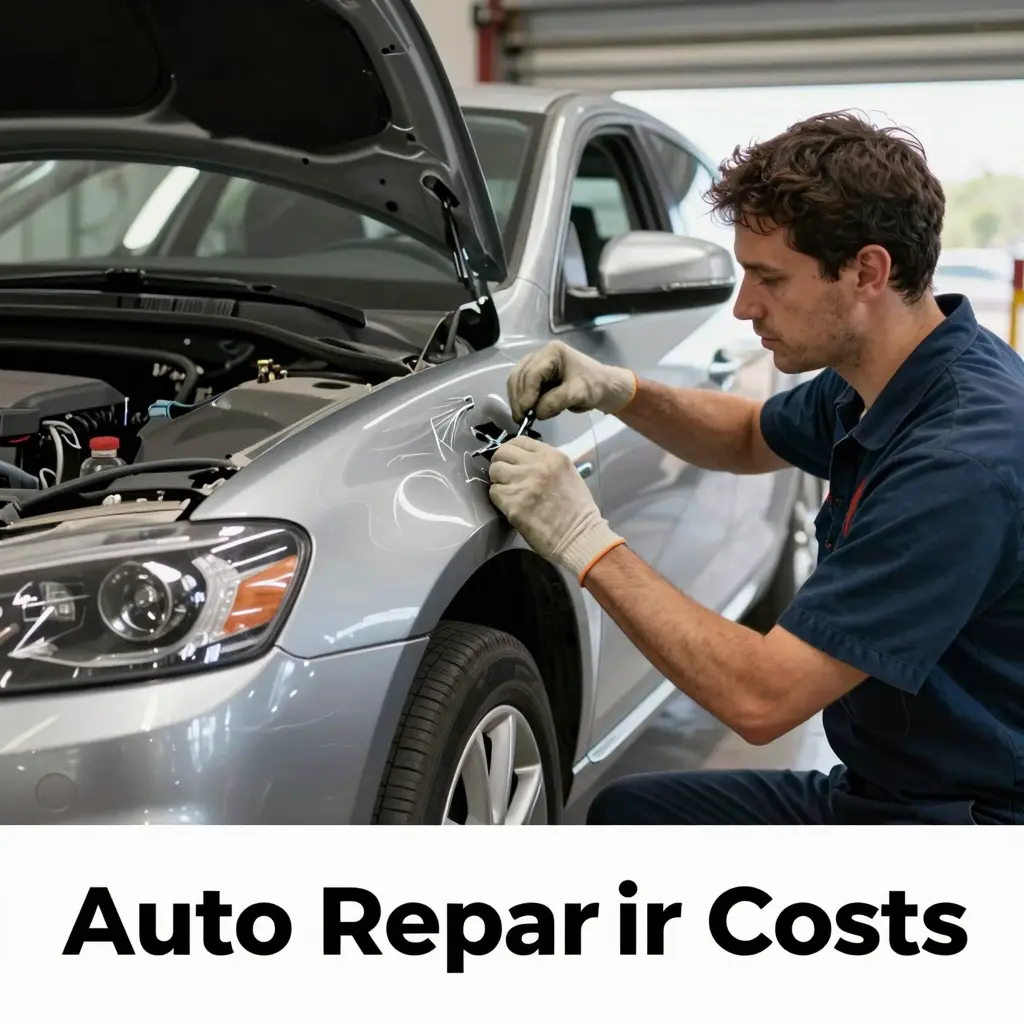
Imagine arriving at your destination, confident and full of pride in your vehicle, only to find it marred by an unexpected scratch or dent. Whether you’re a motorcycle enthusiast facing the daunting reality of motorcycle repair costs after a minor mishap or an auto owner confronting the complexities of auto repair expenses, understanding these costs is crucial. Auto body repair isn’t just about fixing damage; it’s about restoring your pride in ownership and ensuring the safety and performance of your vehicle. Knowing the factors that influence auto body repair expenses can empower you to make informed decisions, whether that means seeking insurance coverage or planning your budget. In this comprehensive guide, we will explore the nuances of auto body repairs, shedding light on how to effectively manage costs and maintain the integrity of your beloved vehicle. To delve deeper into strategies for avoiding costly repairs, check out our insights on avoiding common maintenance mistakes.
Key Factors Affecting Auto Body Repair Costs
When it comes to auto body repair, several factors can influence the overall cost. Understanding these factors can help you make informed decisions about your vehicle’s repairs. Here’s a list of common factors:
- Extent of Damage: The more severe the damage, the higher the repair costs. If structural repairs are needed, expect a significant increase in price.
- Vehicle Make and Model: Luxury or less common models may require special parts or expertise, which can increase labor and parts costs.
- Parts Replacement: The cost of replacement parts varies greatly. Original Equipment Manufacturer (OEM) parts are typically more expensive than aftermarket options.
- Labor Rates: Labor costs can vary from one shop to another and can depend on the shop’s location and reputation.
- Location: Repair costs might differ based on geographic location, with urban areas generally having higher rates than rural locations.
- Insurance Claims: If you are filing an insurance claim, this could affect costs, as the insurance provider will have specific guidelines and coverage limits that affect how repairs are handled.
- Type of Paint and Finish: Using specialized finishes or custom paint jobs can also increase costs significantly.
- Diagnostic and Setup Fees: Shops may charge a diagnostic fee to assess the vehicle, which can add to your total repair costs.
Understanding these aspects will empower you to navigate the cost of auto body repairs effectively. For further insights on auto maintenance and repairs, check out this guide on common engine maintenance mistakes and learn how to avoid car maintenance mistakes.
Typical Costs of Auto Body Repair
Understanding the costs associated with auto body repairs can help both motorcycle owners and car drivers budget effectively for unexpected damages. Below, we summarize the average price ranges for different types of repairs you might encounter, including insights for both motorcycles and cars.
Average Repair Costs
| Repair Type | Average Cost Range (USD) |
|---|---|
| Minor Scratch Repair | $50 – $150 |
| Minor Dent Repair | $75 – $200 |
| Major Scratch Repair (Repainting) | $150 – $500 |
| Complex Repairs (e.g., quarter panel) | $500 – $2,500 |
| Paintless Dent Repair | $100 – $250 |
| Frame Straightening | $600 – $2,000 |
The costs of repairs often vary based on factors such as the vehicle’s make, model, and the local labor rate. For example, repairing small dents with paintless dent repair (PDR) techniques could range between $75 to $150, whereas complex repairs, like replacing a quarter panel, could cost upwards of $2,500. It’s essential to consider both types of vehicles and choose a reputable auto body shop or motorcycle repair service for quality work.
Specific Examples
Some common repair costs include:
- Small Dent Repair (PDR): $75 – $150
- Large Dent Repair (PDR): $150 – $500
- Traditional Body Shop Repairs: $300 – $1,500
- DIY Minor Repairs: Under $50
It’s critical to review your local repair shops since prices can greatly fluctuate. If you’re curious about the details related to repair costs, check out our guide on common car maintenance mistakes to avoid unnecessary expenses.
Visual Overview of Different Repair Costs
Below is a chart summarizing the average repair costs:
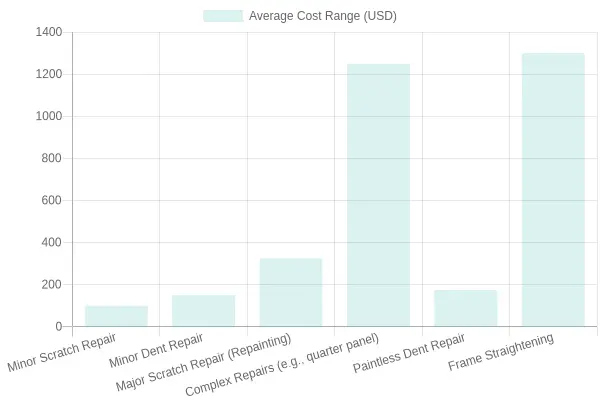
This gives a clear picture of what one might expect to pay for various common auto body repairs.
Comparison of Average Auto Body Repair Costs
Here’s a concise table summarizing average auto body repair costs from several reputable sources. This comparison will help you understand what to expect when it comes to auto body repairs:
| Type of Repair | Average Cost | Source |
|---|---|---|
| Minor Repairs | $150 – $1,000 | Collision Concierge of MD |
| Major Repairs (frame damage, full-panel) | $2,000 – $7,500+ | Collision Concierge of MD |
| Pothole-related minor repairs | $500 – $2,500 | The Automan |
| Structural Work | Varies widely | Bengkel Cat |
| Cosmetic Repairs | Varies | Collision Talk |
This table provides a general overview of what different auto body repairs may cost, giving auto owners a clearer picture of potential expenses. If you’re interested in learning more about common maintenance mistakes that could lead to repairs, be sure to read this guide.
The Importance of Getting Multiple Estimates for Auto Body Repairs
When it comes to auto body repairs, getting multiple estimates can be a game-changer for vehicle owners. Not only does this practice help you save money, but it also ensures that you receive quality work tailored to your vehicle’s specific needs.
Save Money
Gathering various estimates allows you to compare costs from different auto body shops. For example, if one shop quotes you $1,500 for a repair while another estimates only $1,000, taking the time to compare these figures can result in substantial savings. Additionally, meticulously reviewing the breakdown of each estimate helps you identify what you are actually paying for; this transparency can prevent overpayment. A study by Elmer’s Auto Body highlights that customers who seek multiple estimates often pinpoint discrepancies, ensuring they achieve the best value for their money (read more here).
Ensure Quality Work
While price is a key factor, quality should never be sidelined. The cheapest estimate may not always guarantee the best service. For instance, one shop might offer a low quote, but upon closer inspection, they may use subpar replacement parts or cut corners on the repair process. Utilizing different estimates allows you to evaluate not only the costs but also the quality of materials and workmanship being offered. As noted by Glaser’s Collision Centers, comparing the services provided is crucial as the most economical option could lead to further issues down the road (learn more).
Transparency in Pricing
Transparency in pricing is essential in the auto repair industry. When you request multiple estimates, you create a situation where shops must be clear about their pricing. A good repair shop will be willing to explain any discrepancies and provide details on the parts and services included in their estimate. This openness can help you build trust with your chosen mechanic and contributes to a more successful repair process. According to Crash Management Inc., taking the time to engage in this comparison can lead to better long-term decisions regarding your auto repair needs (find out more).
In a nutshell, getting multiple estimates for auto body repairs not only protects your wallet but also ensures your vehicle receives the quality care it deserves. In today’s competitive repair environment, a little extra effort can yield significant benefits. So, before committing to a repair shop, consider asking around and gathering those estimates; your vehicle will thank you!
The Importance of Transparency in Auto Body Repair Costs
When it comes to auto body repairs, one of the foremost considerations is the cost. Understanding the factors that affect repair costs is essential for both the mechanic and the vehicle owner. An expert in the automotive repair field remarks:
“Repair shops must clearly communicate factors like damage complexity, labor hours, and part availability to set realistic expectations and enhance customer satisfaction.”
This highlights the vital role of transparency in establishing trust between auto repair professionals and their clients. Clarity regarding the costs involved not only aids customers in making informed decisions but also fosters a loyal relationship with their auto service provider. By understanding the nuances, from estimating repair quotes to grasping the specific services provided, vehicle owners can better navigate the often complex landscape of auto repairs. To delve deeper into maintaining your vehicle and avoiding costly mistakes, feel free to learn about common engine maintenance mistakes or understand the significance of routine maintenance.
Conclusion
Understanding auto body repair costs is essential for every vehicle owner. Whether you drive a motorcycle or a car, being aware of potential repair expenses empowers you to make informed decisions. Key points from our discussion include:
- Average Repair Costs: In 2023, the average diagnostic fee for vehicle repairs is approximately $125, with specific repair costs, like brake repairs averaging around $650 and catalytic converter repairs reaching about $1,190. These figures highlight the variability in costs based on the type of damage and parts used.
- Impact of Vehicle Technology: The emergence of electric vehicles and advanced driver-assistance systems (ADAS) has influenced repair costs, necessitating specialized knowledge and equipment for repairs. This shift underscores the importance of selecting a repair shop that is informed and qualified to handle newer vehicle technologies.
- Cost Management Strategies: Regular maintenance, such as timely oil changes and brake checks, can significantly reduce unexpected repair costs. By staying proactive about your vehicle’s needs, you can save both money and stress in the long run.
In summary, understanding these costs not only helps you to budget effectively but also aids in deciding whether to repair or replace your vehicle when significant repair costs arise. Learn more about effective maintenance strategies to keep your vehicle running smoothly.
Call to Action
Now that you have a clearer picture of how much auto body repairs may cost and how to manage them, take action today! At Summit Fairings, we are here to help you navigate your options and optimize your vehicle’s maintenance. Visit our website to explore our services and learn how we can assist you in making informed repair decisions. Don’t let unexpected repair shocks take control – empower yourself with knowledge and support!
Trends in Auto Body Repair Costs (2018-2023)
Auto body repair costs have significantly changed over the past five years, reflecting various factors in labor and material prices, as well as the overall complexity of repairs. Understanding these trends can help vehicle owners budget appropriately and make informed decisions about repairs.
Average Cost of Auto Body Repairs Over the Years
| Year | Average Cost ($) |
|---|---|
| 2018 | 1200 |
| 2019 | 1250 |
| 2020 | 1300 |
| 2021 | 1400 |
| 2022 | 1500 |
| 2023 | 1600 |
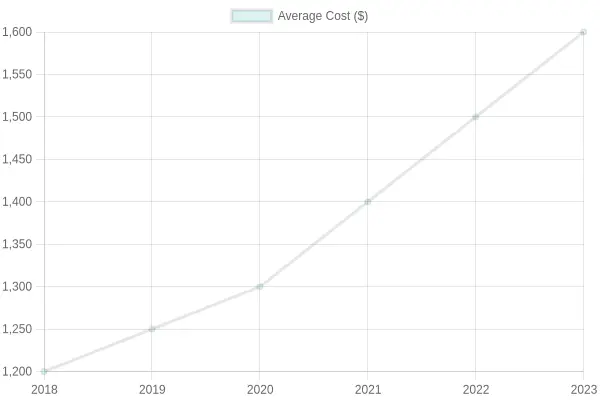
Average cost of auto body repairs has steadily increased from 2018 to 2023.
Observations and Contributing Factors
- The costs have risen from $1200 in 2018 to $1600 in 2023, showing an upward trend.
- Factors contributing to this increase include:
- Labor Costs: Rising wages in the auto repair industry have led to higher repair costs.
- Material Shortages: Challenges in sourcing quality materials have pushed prices up.
- Repair Complexity: Modern vehicles often require more complex repairs due to advanced technology and design.
Understanding these trends can empower auto owners to approach repairs with greater knowledge and potentially negotiate better rates. For more tips on vehicle maintenance, consider checking out our guide on common engine maintenance mistakes to avoid unnecessary costs.
FAQ Section: Common Concerns About Auto Body Repair Costs
1. What can I expect during the auto body repair process?
The auto body repair process involves several essential steps to ensure your vehicle is returned to its pre-accident condition. Here’s an overview:
- Assessment: The technician inspects the vehicle to identify all areas requiring repair.
- Estimation: A detailed estimate of repair costs is provided including parts and labor.
- Repair Work: Technicians undertake repair tasks, which may include frame alignment, dent repair, and painting.
- Quality Check: After repairs, the vehicle undergoes inspections to ensure safety and quality standards are met.
For more detailed insights about the process, check out Understanding the Four Steps in the Auto Body Repair Process.
2. How can I choose a reliable auto body repair shop?
Selecting the right auto body shop is crucial for quality repairs. Here are some tips:
- Seek Recommendations: Ask friends or family for trustworthy recommendations.
- Check Reviews: Look for online reviews and ratings of the repair shop you are considering.
- Ask Questions: Don’t hesitate to inquire about certifications, warranties, and the specific repairs needed.
- Written Estimates: A good shop should provide a comprehensive and detailed written estimate before starting work.
For more tips, visit 10 Tips for Finding a Good Auto Body Shop.
3. Does insurance cover auto body repair costs?
Insurance coverage for auto body repairs typically depends on your policy type:
- Collision Coverage: Usually covers repair costs if the damage is from an accident, regardless of fault.
- Comprehensive Coverage: May cover repairs from non-accident incidents like theft or vandalism.
- Out-of-Pocket Costs: If damage exceeds policy limits or if you don’t carry sufficient coverage, you may need to pay additional costs yourself.
To understand insurance better, read Examples of Insurance Coverage for Auto Body Repairs.
4. Why is auto body repair so expensive?
Several factors contribute to the high costs associated with auto body repairs:
- Specialized Labor: Skilled technicians are needed for proper repairs which can add to labor costs.
- Cost of Parts: Genuine OEM parts are often more expensive than aftermarket alternatives.
- Advanced Technology: Modern vehicles may require specialized tools and technology to ensure repairs are completed correctly.
To learn more about why repairs may be costly, check out Why Is Auto Body Repair So Expensive?.
This FAQ section aims to address common concerns and clarify aspects of auto body repair costs, helping you make informed decisions for your vehicle.