
Proper transmission and auto repair keep vehicles performing optimally and safely, whether it’s a motorcycle zipping through city streets or a heavy-duty truck powering long hauls. Understanding the intricate workings of transmission systems reveals how this critical component transfers engine power to the wheels, impacting driving experience and vehicle longevity. Recognizing common transmission problems empowers owners and professionals to spot early warning signs, reducing breakdown risks and costly repairs. Regular maintenance, ranging from fluid changes to electronic diagnostics, protects vital parts and ensures smooth shifting operation. At the forefront of the industry, evolving transmission technologies—including smart sensors and software calibration—are reshaping repair approaches and skill requirements. Finally, the rise of electric vehicles demands new expertise, transforming transmission design and repair practices. Each chapter provides a focused, integrated perspective tailored to motorcycle owners, auto owners, parts distributors, and repair shops, guiding you through the complex world of transmission and auto repair.
Between Gears and Code: Understanding Transmission Systems in Auto Repair
Transmission systems sit at the heart of a vehicle’s powertrain, the quiet conductor that translates engine torque into force at the wheels. In modern cars, this relationship is no longer a simple, direct mechanical link but a dynamic conversation among metal gears, hydraulic circuits, and a growing set of electronic sensors. The result is a system that must be understood as both a traditional mechanism and a sophisticated data-driven entity. To repair, diagnose, or optimize a vehicle today means embracing this duality: respecting the enduring mechanics that make a transmission work while navigating the digital orchestra that controls when and how it shifts. The chapter that follows weaves these strands into a cohesive narrative about why transmission systems matter, how they fail, and what a technician must know to diagnose and repair them with precision and care. It also foregrounds the evolving landscape shaped by hybridization, electrification, and the insistence on transparent, accountable service that keeps drivers safe and engines efficient over the long haul.
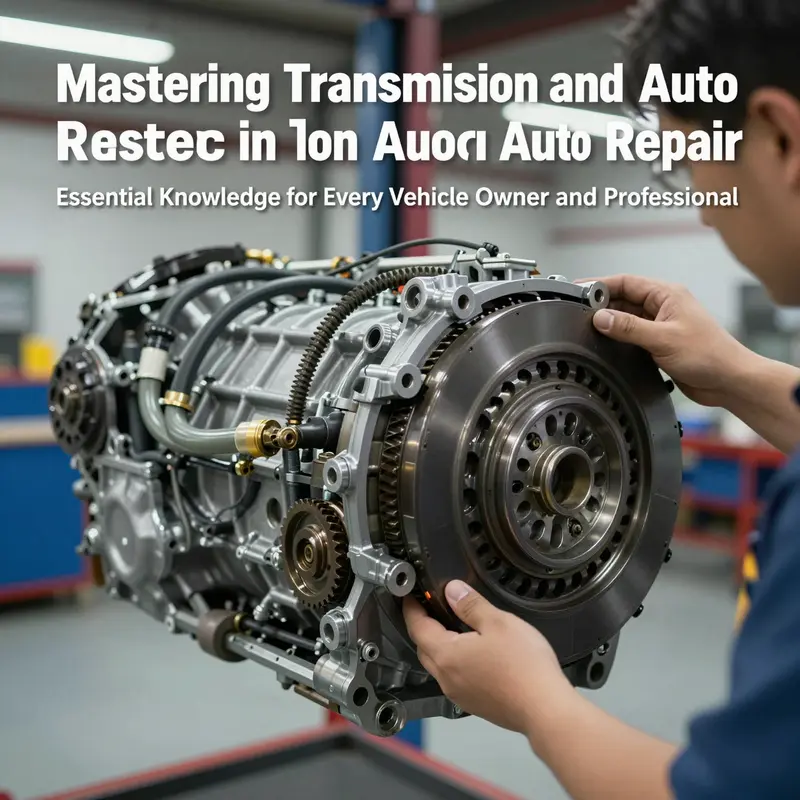
Manual transmissions have a timeless appeal for many drivers, rooted in direct driver involvement and the tactile sense of connection to the road. In essence, a manual transmission is a carefully choreographed set of mechanical linkages and gears, engaged by a clutch that temporarily disconnects the engine from the drivetrain to allow changes in gear ratios. The clutch assembly provides the interface between the engine’s rotation and the transmission’s gears; the flywheel offers rotational inertia and a surface for clutch friction. Inside the gearbox, a lattice of gears—fixed and sliding—selects the proper ratio to harness the engine’s torque for a given speed. Maintenance for these systems is straightforward in concept: monitor fluid levels, inspect for wear in the clutch and bearings, and ensure that gear engagement remains smooth. When worn components begin to slip or grind, the symptoms are often unmistakable: the engine revs without a corresponding increase in vehicle speed, or gear engagement feels harsh and inconsistent. Yet even with routine care, the mechanical nature of manual transmissions means that wear accumulates in the same places—clutch surfaces, synchronizers, bearings—and, over time, repairs involve replacing worn parts and resealing the system so oil remains where it is needed.
Automatic transmissions, in contrast, introduce a layer of hydraulic and electronic control that frees the driver from manual gear changes while demanding a more complex maintenance discipline. At their core, many automatics rely on torque converters, planetary gear sets, and a valve body system that routes hydraulic pressure through precisely engineered channels. The torque converter bridges the engine and transmission, allowing torque to be transferred even when the engine is stationary, and it plays a key role in smoothness and low-speed maneuverability. Planetary gear sets produce multiple gear ratios in compact arrangements, while the valve body orchestrates the flow of transmission fluid to solenoids and pressure receptors that govern shift timing and lock-up clutch operation. A modern automatic is thus a hybrid of mechanical architecture and electronic governance. Maintenance must address fluid condition and cleanliness, the integrity of seals and gaskets, and the health of the control circuitry that interprets data from sensors across the powertrain. When failures occur, they often present as delayed engagement, slipping out of gears, or unusual noises during shifts, each symptomatic of internal wear, hydraulic circuit contamination, or sensor/solenoid faults.
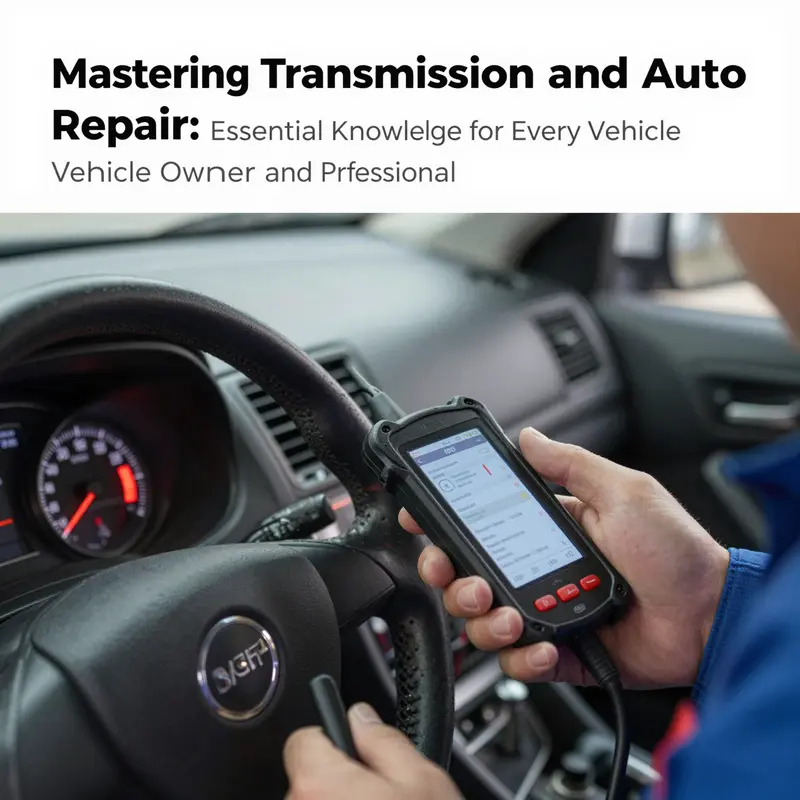
The diagnostic landscape for transmissions has evolved in step with this complexity. Technicians now rely on a suite of diagnostic tools that read fault codes from the transmission control module and monitor real-time data streams from a broad array of sensors. An OBD-II scanner provides access to transmission-related codes, but the story it reveals is just the starting point. Real-value work comes from correlating codes with shift timing, input and output shaft speeds, throttle position, vehicle speed, and fluid temperature. In this sense, diagnosis becomes a process of building a narrative from data: is the fluid overheated or degraded? Are solenoids failing to respond to changing hydraulic demands? Is a sensor delivering errant readings that mislead the control module into chopping the shift timing? Each question narrows the field of possible causes and guides a repair strategy that may involve fluid service, seal replacement, or a more extensive rebuild of the valve body, clutch packs, or seals.
As the craft of repair broadens, so too does the educational foundation technicians rely upon. Classic manuals such as The Automotive Transmission Repair Manual (2024 edition) provide the theory and procedures that ground hands-on work. Yet the modern technician also must master digital diagnostics and software calibration. The role of software in modern transmissions cannot be overstated; calibration routines, sensor thresholds, and even firmware updates can alter shift characteristics, responsiveness, and long-term reliability. This is why reputable shops emphasize standardized training and licensing. Organizations such as the ASE provide structured pathways for technicians to demonstrate competence across a range of electrical, mechanical, and safety domains. In the transition toward hybrids and electric drivetrains, these foundations are augmented by specific training in high-voltage safety, battery management, and regenerative braking systems. The consequence is a workforce that blends traditional mechanical prowess with digital literacy and a firm commitment to safety and accuracy.
The industry context further shapes the practice of repair in meaningful ways. Across regions, service networks are expanding to reach more customers, with digital platforms enabling appointment scheduling, transparent pricing, and parts provenance. The availability of original equipment manufacturer (OEM) parts alongside certified remanufactured parts reflects a broader shift toward reliability and sustainability. Yet this shift also raises questions about trust and communication. High-profile misdiagnosis cases have underscored the need for accurate service reporting and open dialogue with customers, particularly when a fault is not easily traced or when the root cause lies in a complex interaction between powertrain control modules and hydraulic circuits. In this environment, technicians are judged not only on mechanical skill but also on the clarity of their explanations and the quality of their repair history documentation.
Understanding when repair is necessary is a practical anchor for drivers and technicians alike. Symptoms such as shaking, unusual noises, or difficult shifting demand attention. The check engine light paired with a transmission-related code often signals a problem worthy of diagnosis before it becomes a breakdown. Reduced fuel efficiency or power loss can also herald internal wear or control-system faults that, if ignored, can lead to catastrophic failure. Even when a vehicle is under warranty, authorized service remains essential to preserve coverage and ensure that manufacturers’ specifications are followed. A pro-active approach saves both risk and cost in the long run. A useful rule of thumb is to favor early intervention at the first sign of trouble; small issues addressed promptly tend to be far less costly than major overhauls.
Practical guidance for choosing the right shop blends certification, experience, and transparency. A shop with valid certifications—such as ASE credentials and recognized smart-energy certifications for hybrid and electric platforms—demonstrates a baseline standard of competence. Verified repair history is equally important; a robust record establishes trust and provides a clear narrative of what was inspected, what was found, and what was repaired or replaced. For readers seeking practical, step-by-step familiarity with repair fundamentals, a concise guide can be found at a-to-z-auto-repair. This resource helps demystify the repair process and reinforces the message that a well-maintained transmission is the product of informed decisions, careful diagnostics, and meticulous workmanship.
As technology continues to transform the field, the transmission remains a dynamic benchmark for automotive engineering. Hybrid and electric vehicles challenge technicians to reconcile traditional transmission principles with new powertrains that may incorporate single-speed gears, multi-speed transmissions, or entirely novel configurations. High voltage safety protocols, battery management nuance, and software-centric diagnostics are no longer optional but essential competencies. In this milieu, data-driven diagnostics—where real-time sensor data, shifting patterns, and temperature profiles inform predictive maintenance—offer a path to preempt failures and optimize performance. The sensors’ whispers become actionable insights that can prevent a leak, a wear pattern, or a control-system glitch from becoming a roadside emergency. The pursuit of reliability is, in this sense, as much about listening to the vehicle as it is about testing its components.
For readers who want to anchor their understanding in authoritative references, the U.S. National Highway Traffic Safety Administration (NHTSA) offers a comprehensive resource on vehicle repair, recalls, and safety standards. This external reference provides official guidelines on technical service bulletins, recalls, and best practices that inform professional standards worldwide. While the daily work of a repair shop is hands-on, it sits atop a framework of safety regulations and standardized diagnostics that protect drivers and ensure consistent repair quality across diverse service environments. The alignment of repair practice with safety standards is particularly important as consumers demand clearer communications about what was found, what was fixed, and why a proposed repair is necessary.
In sum, mastering transmission systems in auto repair is about balancing the enduring craft of mechanical systems with the adaptive intelligence of digital diagnostics and safety-focused service. It requires a steady attention to fluid integrity, gear and bearing wear, and the seal and valve mechanisms that govern hydraulic flow. It demands a willingness to learn new calibration routines, software updates, and high-voltage safety protocols as the market moves toward hybrid and electric propulsion. It invites technicians to translate complex data streams into clear, actionable repair plans, and it asks shops to build trust through transparent reporting and reliable parts sourcing. When done well, transmission repair becomes more than a response to failure; it becomes a preventive discipline that extends the life of the vehicle, protects passengers, and preserves the performance drivers expect from their investment on the road.
External reference: For a broader, accessible explanation of how automatic transmissions operate, see How Automatic Transmissions Work at Autocar. https://www.autocar.co.uk/car-review/technical-explained/how-automatic-transmissions-work
Gears Under Pressure: Diagnosing and Repairing Common Transmission Problems in the Modern Auto Shop
The transmission is the quiet powerhouse of a vehicle, translating engine torque into controlled movement and smooth progression down the road. When it falters, the symptoms ripple through acceleration, fuel economy, and safety, turning a routine drive into a test of patience. In the modern shop, where diagnostics blend mechanical insight with software intelligence, the path from symptom to solution is a careful, methodical journey. This chapter follows that journey, not as a catalog of fixes but as a narrative of how technicians read signals, weigh repair options, and communicate transparent plans to drivers who rely on their vehicles every day. The aim is not to frighten with doom and gloom, but to illuminate the logic that keeps transmissions healthy, performers dependable, and roads safer. Along the way, the reader will see how common problems are diagnosed, what repairs they typically entail, and why early attention matters for both safety and cost containment.
The first signal most drivers notice is a leak. Automatic transmissions depend on a reservoir of refined fluid that acts as both lubricant and coolant, a lifeblood that escorts heat away from critical parts. When a leak appears, the color and the pattern matter. Transmission fluid is usually red or pink, sometimes clear or amber depending on the type and age. A puddle beneath the car is a red flag, no pun intended, but even a subtle seep can spell trouble if the fluid level drops too low. Leaks most often originate at the oil pan gasket, seals around input or output shafts, the cooler lines, or at valve body gaskets. The consequences of low fluid are clear: inadequate lubrication and cooling, overheating, accelerated wear, and eventually internal damage that can cascade into more expensive repairs. The diagnostic approach blends visual inspection with fluid analysis and leak tracing. A technician will confirm the level, inspect gaskets and seals, and use dye or pressure tests to locate the exact source. In some cases, the fix is straightforward—replace worn seals or gaskets—and in others, especially where the housing itself is compromised, a more involved repair such as reconditioning the case or welding may be necessary. For readers seeking a practical primer on diagnostic steps grounded in OEM standards, a broad repair workflow reference can be illuminating: A-to-Z Auto Repair.
Beyond leaks, shifting behavior is one of the most noticeable windows into transmission health. A transmission should transition smoothly, with no dramatic pauses or jolts. When shifting is delayed, harsh, or erratic, the driver feels a hesitation before movement or a jolt as gear selection occurs. The culprits are varied and often intertwined. A faulty throttle position sensor or vehicle speed sensor can feed incorrect data to the control modules, while a dirty or clogged valve body can impede hydraulic pressure that governs gear engagement. Worn solenoids or malfunctioning shift solenoids disrupt the timing and sequencing of gear changes. Fluid that has broken down or become contaminated also erodes performance. In many cases, a software update to the transmission control module (TCM) or adjustments to calibration can restore proper behavior, underscoring how electronic controls increasingly govern mechanical systems. The diagnostic arc moves from symptom to sensor to hydraulic circuit, with tests that measure pressures, read sensor data, and review fault codes captured by the onboard controllers. The repair steps flow from cleaning and replacing affected components to recalibrating or updating software, and only then to more substantial actions if the problem persists. This is a space where data-driven diagnostics shine, guiding technicians toward root causes rather than quick, misguided fixes. For context on general repair workflows, consider the same resource linked earlier, which frames the comprehensive approach used in many shops.
Another frequent diagnosis is transmission slippage, the moment when the engine revs rise but the vehicle does not accelerate as expected. Slippage is not merely annoying; it signals potential internal damage that can escalate quickly under load. Causes range from worn clutch packs or friction discs in automatics to overheated or burnt transmission fluid that loses its protective properties. A damaged torque converter or failed input or output shafts can also manifest as slip, especially uphill or during rapid acceleration. The diagnostic mindset here is to verify fluid condition and pressure, assess clutch wear, and inspect the torque converter’s operation. Repair strategies span a spectrum: a targeted fluid flush and filter replacement may suffice when the issue is fluid-related, while more serious wear might require a rebuilt unit or a full replacement. The decision rests on the extent of internal wear, the cost comparison between rebuild versus replacement, and the vehicle’s overall value. And even in cases where external fixes restore drivability, drivers should expect to monitor the situation closely after repair, as residual wear can foreshadow future failures.
Abnormal noises and vibrations often accompany transmission trouble and can serve as audible clues to the underlying problem. A whine or whirr can point to a pump or bearing issue, while grinding or clunking sounds—especially during shifts—may indicate worn gears, bearings, or synchronizers. In manual transmissions, grinding tends to reveal clutch or synchronizer wear; in automatics, it often points to internal gear train or torque converter issues. A consistent rumble or vibration at highway speeds could signal a driveline problem that reaches back to the transmission mount or even the driveshaft, though sometimes the culprit lies with a misbalanced torque converter. Diagnostically, a mechanic couples listening tests with precision tools: a stethoscope or listening probe to localize noise sources, vibration analysis, and controlled road tests. The repair path is guided by the origin of the noise: simple bearing or mount replacement, selective gear train parts, or components like the torque converter that may require more extensive service.
Every modern transmission carries a digital stress test, and the warning lights on the instrument cluster are the interpretive keys. When the check engine light or a dedicated transmission warning light illuminates, the vehicle’s OBD-II system has detected a fault that warrants attention. Common codes related to transmission health include P0700, a general malfunction of the transmission control system; P0730, indicating an incorrect gear ratio; and P0740, pointing to a torque converter clutch circuit problem. A code is only a starting point; it directs the technician to a subsystem that needs closer inspection. Scanning the vehicle with a capable diagnostic tool, confirming data streams from the TCM and PCM, and correlating live sensor readings with mechanical tests are essential steps. Some issues may be quick fixes, such as reconnecting a loose harness, while others may require more elaborate repairs. The best practice is to treat fault codes as a map rather than a destination, allowing for a thorough, evidence-based approach rather than a guess-driven one.
An enduring threat to transmission life is overheating. Transmission fluid serves not only to lubricate but to carry away heat, and any condition that disrupts flow or lowers level invites thermal damage. Low fluid levels, clogged cooler lines, a blocked radiator, or heavy towing and stop-and-go driving can push temperatures beyond safe limits. When the system overheats, seals can degrade, fluid breaks down, and internal clearances widen, accelerating wear and risking catastrophic failure. Automotive guidance emphasizes consistent attention to fluid level and quality, protecting the system with proper cooling, and avoiding sustained heavy loads when signs of overheating appear. The transmission hot warning is not merely an indicator; it is a prompt to pause, diagnose, and remedy before the damage becomes irreversible.
Across these scenarios, the thread that holds them together is the value of early detection and disciplined maintenance. Routine checks—fluid level and condition, color, smell, and the presence of any leaks; listening for unusual sounds; heeding the transmission warning indicators; and observing shifts during drive cycles—can transform a potentially expensive repair into a manageable maintenance task. Most shops and manufacturers recommend fluid changes at intervals that reflect a balance between lubrication performance and fluid chemistry, with miles proposed varying by vehicle design and fluid type. The practical takeaway is that proactive care saves money and extends the life of the drivetrain, while late diagnosis does not mistake risk for reality; it simply compounds consequences.
The industry is shifting as vehicles become increasingly software-centric and hybridized. Within modern repair ecosystems, technicians rely on data, sensors, and calibration procedures to complement mechanical expertise. High-voltage safety and EV-specific diagnostics have become essential knowledge areas as more electrified powertrains enter the road. The workforce now demands a blend of traditional mechanical skill and digital literacy, with formal certification and ongoing training as standard expectations. In this evolving landscape, trust between technician and driver hinges on transparent reporting, precise communication of fixes, and documented repair histories. The aim is not to elevate fear of failure but to empower informed decision-making so drivers understand what a repair entails and what is required to keep the vehicle reliable.
Ultimately, the choice between a fluid change, a component replacement, or a full rebuild rests on a careful cost-benefit analysis that weighs mechanical condition, vehicle value, and the driver’s needs. An early, accurate diagnosis preserves performance and safety while avoiding the cascading costs that come with missed or misdiagnosed problems. This is why a reputable shop emphasizes certified technicians, proper diagnostic equipment, and a clear, customer-facing diagnostic report. The emphasis on transparency—explaining how a fault was identified, what parts are involved, and how long the repair will take—builds trust and gives drivers confidence in their car’s future.
For more on the practical, end-to-end repair workflows that underpin these decisions, readers can explore broader auto-repair guidance via the linked resource above. And while the specifics of each case will differ, the underlying philosophy stays constant: diagnose, verify, and repair with a relentless focus on safety, reliability, and value. The road ahead for transmission repair is as much about stewardship as it is about mechanics, and that stewardship begins the moment a driver notices something off and seeks help.
External resource: https://www.nhtsa.gov/vehicle-repair-and-recall-information
Shifting Toward Longevity: How Regular Transmission Maintenance Shapes Reliability in Auto Repair
The transmission operates as the quiet conductor of a vehicle’s powertrain, translating engine torque into smooth, controllable motion. Its task extends beyond simply changing gears; it orchestrates the flow of power, heat, and wear across complex gears, clutches, seals, and hydraulics. When maintenance is neglected, even small deviations in fluid condition, temperature, or alignment can cascade into symptoms that feel like a sudden breakdown. The result is not just an unhappy driver but a vehicle that operates with reduced efficiency, compromised safety, and a shorter road life. A robust maintenance mindset treats the transmission as an integrated part of the car’s health, deserving attention that matches the care given to the engine, brakes, and electrical systems. In practice, that mindset translates into regular attention to fluid quality, fluid levels, filter condition, and the often-overlooked aspects of transmission cooling and cleanliness. These elements matter because properly lubricated, clean internals stay cooler, wear less, and retain the precise clearances that keep gears meshing quietly and predictably. Even when a car only hints at trouble with subtle shifting quirks, it is usually signaling a deeper issue that, if caught early, can be resolved with routine service rather than costly, time-consuming repairs. The transmission’s success hinges on a balance between mechanical wear and the preservation of lubrication and temperature control. A small amount of contamination, a slight drop in fluid level, or a magnet gathering micron-scale metal particles can foreshadow more significant problems if left unchecked. The narrative here emphasizes a preventive, rather than reactive, approach to transmission care—one that aligns with the broader goals of safe, reliable, and affordable auto repair.
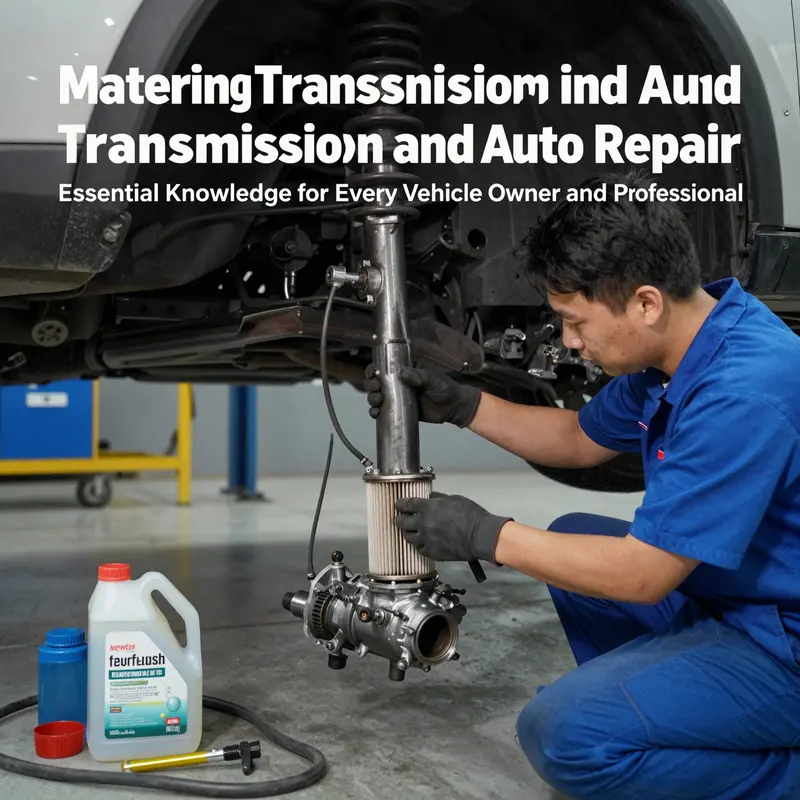
At the heart of routine maintenance is a clear understanding of what the transmission requires to perform correctly. The system relies on properly engineered fluids that do more than just lubricate; they cool, seal, and carry away particulates. Fluid degradation—whether from heat, oxidation, or contamination—reduces lubricity and elevates operating temperatures. The result can be faster wear, glazing of friction surfaces, and accelerated fatigue of seals and bearings. Routine changes, therefore, are not a mere checklist item but a critical intervention that preserves the integrity of the direct and planetary gears, clutches, and hydraulic circuits. Likewise, filters and screens play a decisive role in capturing debris that would otherwise abrade surfaces and clog valve bodies. Routine inspections extend beyond the obvious: technicians inspect transmission pans for metal flecks that indicate abnormal wear, evaluate the condition of solenoids and wiring in electronic-controlled transmissions, and verify proper seals and gaskets to prevent leaks. A well-executed maintenance schedule also considers the cooling circuit, radiator passages, and transmission oil cooler efficiency, all of which work together to keep temperatures in a safe range. When temperatures climb, fluid becomes thinner and less capable, and friction materials may wear unevenly. The small daily decisions—timing of the service interval, maintenance torque on fasteners, the quality of the replacement fluid, and the integrity of the sealing surfaces—accumulate into a durable transmission that endures years of shifting, towing, and highway cruising.
A practical window into the importance of consistency is the case study of the D85-1 transmission clutch slip. This scenario illustrates how inadequate maintenance practices can precipitate premature wear and eventual clutch failure. In the D85-1 example, delayed recognition of slipping signs—such as delayed engagement, a rising but ineffective engine RPM, and an unusual burning smell—progressed from minor inconveniences to a major failure. The study underscores a core point: early signs of clutch slip are not isolated faults but alarms about the broader health of the clutch pack, fluid quality, and hydraulic control. When technicians respond with timely inspection and fluid servicing, a great deal of damage can be contained, and the risk of collateral harm to gears, bearings, and seals is substantially reduced. The case ties directly into the broader maintenance narrative: if owners and technicians treat symptoms as isolated glitches rather than signals of systemic wear, the path forward becomes costlier and longer. The take-home message is not simply about following a schedule but about cultivating a diagnostic mindset that recognizes when shifting behavior, temperature, or noise indicates a need for proactive care rather than a wait-and-see approach. Early intervention keeps the clutch pack, valve bodies, and control modules operating within design tolerances and prevents the kind of cascading failures that extend downtime and inflate repair bills.
The modern auto repair landscape elevates transmission maintenance from a routine service to a data-driven discipline. Modern transmissions rely on sensors, actuators, and control modules that continually monitor pressures, temperatures, gear ratios, and fluid states. Repairs may involve not only mechanical parts but also software recalibration and controller updates. The integration of electronics means technicians must diagnose with precision using advanced scan tools, interpret live data streams, and understand how minor firmware adjustments can recalibrate hydraulic pressures, shift timing, and adaptive learning parameters. This shift reflects a broader industry movement toward diagnostic analytics, where real-time sensor data informs preventive maintenance rather than relying solely on elapsed time or mileage. For technicians, the ability to interpret trends—such as a gradual drift in shift points, increasing time to engage, or abnormal temperature excursions—becomes as essential as replacing a worn clutch or a leaking seal. In parallel, the rise of electric and hybrid propulsion has reframed the concept of transmission, with some systems simplified and others becoming more complex due to integrated power electronics and regenerative braking interfaces. This evolution demands new training pathways and safety protocols, especially when high-voltage systems enter the maintenance workflow. The field now rewards technicians who are comfortable with both traditional mechanical work and the digital literacy needed to navigate fault codes, calibration routines, and software updates.
To prepare the workforce for this new reality, industry observers point to the growing demand for skilled labor with specialty training in smart systems, battery technology, and digital diagnostics. Programs that promote school-industry collaboration—often described with the Chinese term 校企合作—are designed to bridge the gap between classroom learning and shop-floor practice. These collaborations aim to produce technicians who can interpret data-driven diagnostics, perform precise fluid and filter maintenance, and execute complex repairs with confidence. The emphasis is not only on hands-on skills but also on safety culture and continuous learning, given the hazardous environments that sometimes accompany high-voltage systems and hydraulic circuits. As repair shops expand their service offerings to accommodate hybrid and electric powertrains, the need for certified technicians who can navigate both traditional powertrains and modern electrified systems becomes more pronounced. This trend aligns with the broader industry push toward standardized training, verified certifications, and a transparent, competency-based approach to service.
In terms of broader market dynamics, the transmission service ecosystem is growing more sophisticated and accessible. Large service networks are expanding into smaller cities and rural towns, improving access to quality repair services and reducing the distance that owners must travel for meaningful maintenance. This expansion carries the promise of better consistency and pricing transparency, as standardized processes and common diagnostic tools help minimize misdiagnoses and miscommunications. At the same time, there is a parallel push toward standardized parts procurement, with an emphasis on original equipment manufacturer (OEM) parts and certified remanufactured components. This approach seeks to balance performance with sustainability and cost control, ensuring that repairs maintain the vehicle’s reliability while offering reasonable price points. Yet with wider networks comes the challenge of maintaining trust. High-profile misdiagnosis cases remind consumers that communication and documentation are as crucial as the mechanical work itself. Transparent reporting, clear estimates, and precise explanations of why a repair is necessary can transform a potentially stressful experience into a collaborative, confidence-building process between shop and owner.
From a practical standpoint, the decision to repair or replace a transmission hinges on a synthesis of symptoms, diagnostic codes, wear patterns observed during disassembly, and the financial calculus involved. When confronted with slipping gears, delayed engagement, grinding or whining noises, or persistent leaks, technicians perform a staged assessment: confirm fluid condition and level, inspect for contamination, measure clearances, verify valve body operation, and test the hydraulic circuits under simulated load. If the internal wear is extensive or the repair would be uneconomical, a rebuild or replacement may be the most viable path. The decision is rarely binary; instead, it rests on a careful balancing of reliability, cost, and the vehicle’s value. In all cases, the central principle remains consistent: proactive maintenance minimizes the probability of unplanned downtime and maximizes the vehicle’s useful life.
For vehicle owners seeking to partner with a repair operation that respects these principles, a few guardrails help preserve trust and ensure service quality. First, seek shops with valid certifications that attest to competence in transmission repair and electronic diagnostics. Second, demand transparency in diagnostic reporting and repair history, and request a clear explanation of any recommended service, including the rationale and expected outcomes. Third, consider the shop’s capacity to handle modern, data-driven diagnostics and, for EVs and hybrids, their readiness to work safely with high-voltage systems. A practical tip is to view maintenance as an investment in future reliability rather than a set of isolated tasks. The right maintenance plan, delivered with clear communication and evidence of results, can extend the life of the transmission, protect the rest of the drivetrain, and keep the vehicle performing as intended.
As readers explore these themes, a helpful, practical touchstone is to consult a comprehensive guide that connects daily maintenance to long-term performance. For those seeking hands-on context about general auto repair practices and maintenance fundamentals, a detailed primer can be found at the online resource titled A to Z Auto Repair. This primer helps bridge the gap between theory and everyday practice, reinforcing how routine checks, timely fluid changes, and careful diagnostic work contribute to a smoother, safer driving experience. You can learn more through this resource: A to Z Auto Repair.
In sum, regular transmission maintenance is not optional; it is a crucial component of responsible auto repair. The transmission’s health is a reliable predictor of the broader health of the vehicle’s powertrain and its ability to deliver consistent performance year after year. By combining routine fluid and filter care with a disciplined diagnostic approach, owners and technicians can curb unnecessary downtime, safeguard safety, and optimize efficiency. The D85-1 case study reinforces the value of early detection and timely servicing, while the industry’s shift toward data-driven diagnostics and skilled labor promises a future in which maintenance decisions are more precise and outcomes more predictable. This convergence of traditional mechanical care and modern digital tooling marks a thoughtful evolution in auto repair—one that centers longevity, trust, and quality in every shift.
External resource for further technical context: https://www.atlantis-press.com/journals/aer/25000197/
Gears, Grids, and Diagnostics: How Modern Transmission Innovations Redefine Auto Repair
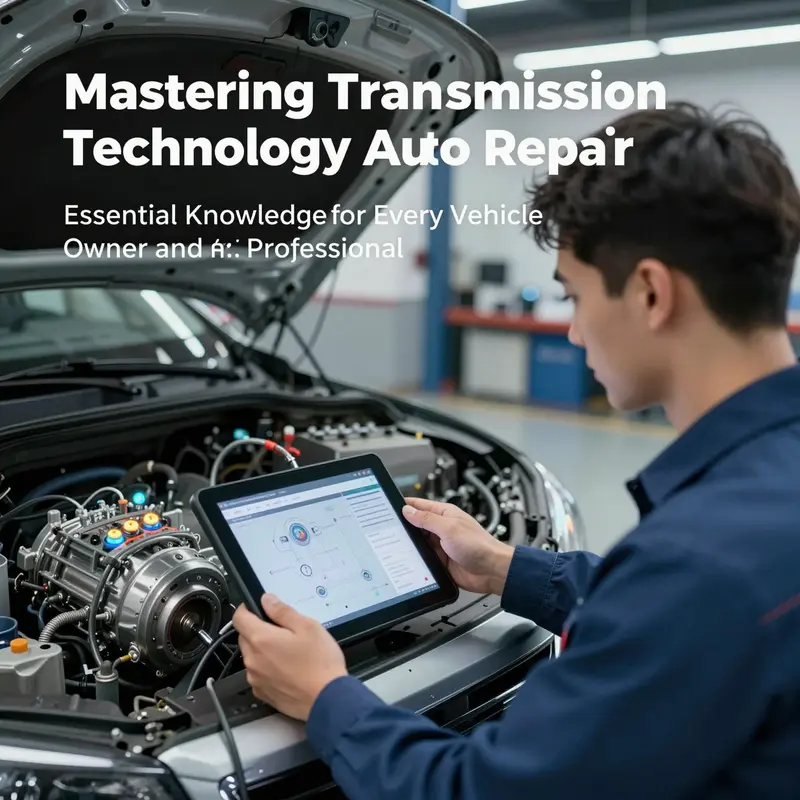
The transmission has always been the stubborn nerve center of a vehicle, a system that translates engine torque into motion with quiet precision. Over the last two decades, that nerve center has grown more complex, not only in mechanical design but in the way it speaks to the rest of the car. Modern transmissions—the dual-clutch varieties, continuously variable types, and increasingly automated manuals—are less about clacking gears and more about data, software, and systems integration. This shift matters for auto repair because it changes what technicians do, how shops operate, and what drivers should expect when something goes wrong. The parts may still move, but the language of diagnosis now travels through electronic control units, sensors, and a web of software that governs each shift, slip, and decision point. To understand the repair ecosystem today, it helps to trace the arc from traditional hydraulics to electronic orchestration, and then to the new calculus of transparency, access, and safety that defines the industry’s present moment and its likely future.
The mechanical elegance of early automatics, with their straightforward gear sets and hydraulic pressure networks, gave way to transmissions that synchronize with the vehicle’s computer brain. Dual-clutch transmissions promise fast, efficient shifts by preselecting gears and coordinating clutches via electronic commands. CVTs, with their belt-and-pulley logic, deliver seamless acceleration curves but rely on continuous adaptive control to maintain the correct geometry and tension. Automated manuals combine elements of traditional stick-shift feel with automated actuator control, blurring the line between driver input and machine responsiveness. Each design advances fuel efficiency, smoothness, and performance in different ways, but they share a common trait: the inner life of the transmission is increasingly digital. In practice this means that misbehavior can be as likely to originate in software calibration as in worn clutches, hydraulic pistons, or gear trains. Consequently, diagnosing a transmission fault is less about listening for a bad clunk and more about reading a constellation of sensor data, fault codes, and learned operating patterns that the car’s onboard systems have stored over thousands of miles of driving.
Springer Nature’s review of automotive transmission technology underscores a broader trend: these units are becoming tightly integrated with the vehicle’s electronics, often designed with input from computer-aided design and simulation tools. The outcome is a system that is highly capable when it works and highly opaque when it does not. For repair technicians, this opacity translates into a need for access to sophisticated diagnostic equipment, manufacturer-specific software, and up-to-date training. A shop cannot rely solely on traditional mechanical intuition if it wants to diagnose a delayed engagement or a subtle hydraulic delay in a modern transmission. It now must interpret sensor vectors, control module (CM) outputs, and calibration maps while cross-checking against a vehicle’s entire communication network. The consequence is a learning curve steep enough to deter a casual DIY approach and steep enough to reshape the economics of repair labor. Time spent with a transmission is no longer just a matter of mechanical disassembly and reassembly; it is often a careful, data-driven exercise in software interpretation and electronics debugging.
The diagnostic landscape has evolved in parallel with the hardware. Modern transmissions rely on a bundle of sensors—speed sensors, pressure transducers, temperature monitors, clutch position indicators, and more—that feed a central transmission control module. The codes that emerge from this ecosystem can point toward a sensor fault, a hydraulic pressure anomaly, a clutch wear pattern, or a software calibration drift. In practice, a technician must decide whether to perform a fluid service, replace a worn component, recalibrate a shift strategy, or push a software update that redefines shift points and adaptive learning sequences. The adoption of OEM software platforms means that certain actions—such as recalibrating a transmission’s electronically controlled governor or updating control software—may require vendor-specific access and authorization. This not only introduces a gatekeeping dynamic for independent shops but also raises questions about the speed, cost, and transparency of service for the consumer.
For drivers, the implications are real and visible. A transmission that performs flawlessly most days can suddenly reveal a new fault code after a software update, or exhibit a change in shift feel following an ECU recalibration. The risk of misdiagnosis grows when a shop lacks the latest diagnostic tools or the permission to interface with the vehicle’s OEM platforms. As a result, service times can extend, and the bill can rise, especially if an issue seems to shimmer between mechanical wear and software behavior. The industry has responded by emphasizing proper reporting and traceability. A transparent workflow that captures fault codes, calibration data, service history, and diagnostic reasoning helps customers understand why a diagnosis was made, what was tested, and why certain repairs are pursued or deferred. In an era where data becomes a legible map of the car’s health, a repair report that documents sensor readings, software revisions, and lab results becomes part of the vehicle’s trusted history. For the informed driver, this is not a burden but a pathway to predictable maintenance and safer operation.
The shop floor itself has changed. Where once a mechanic might have relied on a good feel for transmission behavior, today’s technicians must combine perceptive listening with precise data analysis. This requires investment in equipment, from high-level scan tools to specialized diagnostic benches that can simulate transmission operation under controlled conditions. It also means ongoing education. High-voltage safety awareness has become essential for hybrid and electric powertrains, where the transmission is tightly integrated with battery management and regenerative systems. Training is no longer a one-time event but an ongoing obligation, as software updates and recalibrations become routine. The industry’s push toward continuous education aligns with a broader movement toward standardized qualifications. Certification programs, including those that verify expertise in smart systems and electric powertrains, are increasingly valued as signals of a shop’s capability to perform complex work safely and reliably. In this landscape, a compliant, well-documented repair history—accompanied by clear intake and diagnostic notes—becomes a customer shield against misdiagnosis and a shop’s best defense against disputes over service quality.
But certification and capability are not the only constraints shaping the modern repair ecosystem. The economics of repair must reckon with the access barriers to OEM platforms. As manufacturer software becomes more protective and access becomes more restricted, independent shops face a practical decision: collaborate with authorized networks, rely on remanufactured parts and non-OEM equivalents, or invest in authorizations that permit software-level diagnostics under controlled terms. Each path has trade-offs in cost, speed, and risk. Consumers, in turn, face a nuanced calculus between convenience, price, and trust. This is where industry governance, public reporting, and consumer education converge. Transparency in diagnostic reporting, standardized service documentation, and clear communication about the limitations and possibilities of software-driven repairs help maintain confidence in a rapidly evolving field. The National Highway Traffic Safety Administration’s resources on repair information and recalls provide a pivotal backdrop for this conversation, reminding us that safety, traceability, and accountability should be central to every repair decision. For readers seeking authoritative guidance, the NHTSA portal offers a framework for understanding recalls, service bulletins, and repair standards that intersect with transmission work.
For readers who want a practical starting point on navigating repair knowledge, a compact reference is to explore broad repair catalogs that summarize common transmission symptoms, treatment options, and the lifecycle of typical maintenance tasks. In addition to professional training, drivers benefit from accessible explanations of what a software update can and cannot fix, how adaptive learning affects shifting behavior, and what to expect in terms of diagnostic time and cost when a modern transmission is involved. If you’re curious about how to interpret a repair journey—from symptom to service to verification—you may find it useful to review a concise guide that aligns with the kind of foundational information professionals rely on. For a practical, reader-friendly entry point, consider starting with a general overview like the one linked in this guide: A-to-Z Auto Repair guide. It offers a straightforward lens on auto repair foundations while remaining relevant to the high-tech context described here. This is particularly helpful for drivers who want to pair mechanical intuition with the realities of software-driven maintenance, without being overwhelmed by the jargon of modern control systems.
Looking ahead, the trajectory of transmission technology suggests a future in which diagnostic workflows are less about chasing a single failing part and more about validating a system’s overall health through continuous data analysis. The integration of sensors, control modules, and cloud-based diagnostics opens possibilities for predictive maintenance, where a shop can anticipate wear before it becomes a fault. Yet this future also demands robust cyber-physical security, standardized diagnostic interfaces, and ethical data practices, ensuring that the data generated by a vehicle’s powertrain remains accessible to technicians who need it while protected from misuse. In the end, the repair industry’s vitality will hinge on a balance: on one side, the relentless push of innovation that yields more efficient, capable powertrains; on the other, the unglamorous but essential discipline of reliable service, transparent reporting, and skilled hands that can translate a flood of data into safe, durable, road-ready performance. For consumers, that balance translates into trust—trust that a service diagnosis reflects the vehicle’s truth, and trust that the repair work will stand up to the demands of everyday driving and long, unpredictable road trips alike.
External note: The evolution described here is not merely abstract theory; it is mirrored by the regulatory and safety frameworks that guide repair work in many regions. Official guidance and recall information from national transport authorities provide critical guardrails for how repairs are conducted, how parts are sourced, and how service history is documented. These resources help ensure that advances in transmission technology go hand in hand with verifiable safety and reliability. For more authoritative context, refer to the widely used public resource that tracks recalls, safety standards, and technical service bulletins, which remains a cornerstone reference for professional technicians and informed shoppers alike: https://www.nhtsa.gov/vehicle-repair-and-recall-information.
Beyond Gearboxes: Reimagining Transmission and Auto Repair in the Electric Era
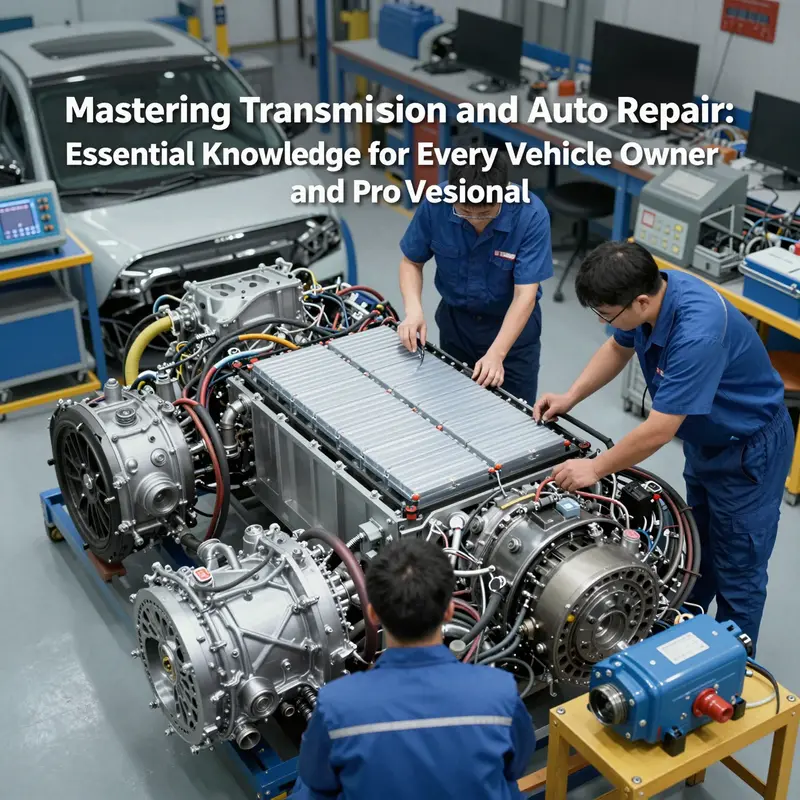
The term transmission is being rewritten as vehicles move toward electric propulsion and smarter power management. In the age of internal combustion engines, a transmission was a manual or automated set of gears linked to a clutch and an oil bath. It required regular attention: oil changes, pan drops, filter replacements, and clutch servicing. Those tasks mapped to a predictable rhythm of wear and failure. Today, the same word points to a different set of challenges. The drivetrain may be simpler mechanically, often with a single or dual‑speed arrangement, yet it is wrapped in a network of high voltage components, power electronics, and sophisticated software. The shift is not just about removing gears; it is about shifting the focal points of maintenance from mechanical endurance to electronic reliability, thermal control, and software accuracy. Vehicles still demand care, but the care now centers on how energy flows from the battery to the wheels, how heat is managed during charging and operation, and how the vehicle’s intelligence keeps all of these systems aligned with safety and performance targets.
Even as the capacious oil pan and clutch drum fade from the routine maintenance list, a new family of wear items rises to prominence. The battery pack sits at the heart of the system, and its longevity hinges on meticulous thermal management, precise state‑of‑charge tracking, and cell balancing across thousands of cells. The power electronics and inverters that convert the battery’s direct current into the alternating current that drives the motor demand vigilance against overheating, voltage irregularities, and software faults. Charging systems, both onboard and in the broader charging ecosystem, introduce another layer of complexity. The rise of ultra‑fast charging technology requires robust thermal control, advanced battery chemistry, and resilient protection against electrical and thermal abuse. Meanwhile, the brakes, tires, and suspension continue to require attention, even if regenerative braking has reduced some wear. The hydraulic and electronic braking systems still deserve periodic inspection, and tire health remains a practical indicator of road conditions and energy efficiency. In short, the maintenance menu has been reoriented around electricity rather than engine oil, but it remains a menu—one that demands precise diagnostics and disciplined upkeep.
In the workshop, this reorientation translates into a fundamental shift in the skill set and safety practices technicians bring to every job. High‑voltage safety becomes a baseline competency rather than a niche specialty. Technicians must know how to isolate a high‑voltage system, measure insulation resistance, and interpret the fault codes that originate in the vehicle’s software. The diagnostic landscape expands from reading mechanical wear to analyzing electrical health, thermal profiles, and software integrity. Vehicles now generate streams of data from hundreds of sensors, and capable shops learn to harness this data rather than merely reacting to symptoms. The diagnostic tools are not only more powerful; they are more integrated, stitching together real‑time sensor readings, historical trends, and the vehicle’s software alerts into a coherent picture of health. This data‑driven approach enables predictive maintenance, allowing technicians to anticipate a battery module imbalance, a cooling pump fault, or an inverter heat threshold before a failure interrupts service. The challenge is not only to read the data but to translate it into actionable maintenance that preserves safety, performance, and value.
Charging infrastructure also alters the repair landscape. As highways and urban corridors see megawatt‑level fast chargers becoming common, the demands on the vehicle’s cooling circuits, battery thermal management, and even its electrical system protection grow more intense. High power can accelerate battery aging if not managed carefully, making software‑based thermal control and smart charging algorithms essential. The technical implications are not hypothetical: every charging event threads through the battery, the power electronics, and the cooling system. A shop that understands how to monitor thermal margins, detect early signs of thermal throttling, and verify proper balancing across modules will outperform one that only replaces failed components. The result is a more proactive form of maintenance, where the shop becomes a partner in extending the life of a high‑cost system rather than a last‑resort fixer after a breakdown.
The focus on battery health, power electronics, and charging also redefines what low maintenance means for an electric vehicle. While routine oil changes are largely obsolete, the battery’s health and the reliability of the charging chain take center stage. Battery state‑of‑charge management, cell balancing, and thermal management dictate how well the vehicle performs across temperature extremes and duty cycles. Inverters and motor control electronics require vigilant temperature monitoring, as overheating can degrade efficiency and shorten component life. The cooling system itself becomes a consumer of attention, especially in climates with wide temperature swings or during heavy charging sessions. And although regenerative braking protects brake pads from heavy wear, the hydraulic systems, calipers, and brake fluid still require periodic inspection. The overall maintenance profile shifts from replacing fluids and filters to validating the integrity and calibration of energy systems, cooling loops, and software update cycles.
From a business perspective, the evolution toward electronics‑driven repair brings both opportunities and pressures. Service networks are expanding into smaller cities and rural areas to keep pace with growing EV adoption, supported by platforms that emphasize transparency, certified parts, and standardized repair procedures. In this environment, customer trust hinges on clear reporting and consistent outcomes. High‑profile misdiagnoses or vague communications can erode confidence, so forward‑thinking shops invest in documentation practices that illuminate what was checked, what was found, and why a recommended repair is appropriate. The industry is also embracing data standards and part verification to ensure that repairs use authentic components or certified remanufactured parts when they are appropriate. A broader acceptance of remote diagnostics and AI‑assisted monitoring promises faster, more accurate service decisions and continuous improvement in repair quality. As data moves from the vehicle to the service center and back again, the relationship between consumer and technician becomes more collaborative and more accountable.
Education and workforce development play a pivotal role in this transition. Programs that connect schools with industry partners—sometimes described in international terms as school‑industry collaboration (校企合作)—are being deployed to bridge skills gaps. The goal is to produce technicians who can read battery management software, interpret thermal maps, and perform safe high‑voltage work, all while communicating clearly with customers about diagnostics, timelines, and costs. In parallel, the repair ecosystem is building networks that support continuous learning, validated certification, and shareable diagnostic workflows. The new technicians must be adept at both the art of repair and the science of data, because every vehicle represents a unique constellation of battery chemistry, thermal characteristics, and software configuration. The outcome is a workforce better prepared for a future where repair is not simply about replacing worn parts but about maintaining complex, interdependent systems in a living machine.
For readers seeking a quick primer on general repair knowledge that remains relevant in this electrified era, a concise overview can be found in the A‑to‑Z Auto Repair guide. It serves as a practical reminder that fundamentals—careful inspection, rigorous safety practices, and careful communication with customers—still anchor every advanced diagnostic effort. https://motorworksautorepair.com/blog/a-to-z-auto-repair/ This bridge between traditional know‑how and modern diagnostics helps ensure every repair starts from a solid base, even as the technology atop the base grows increasingly sophisticated.
As the landscape continues to evolve, technicians and shop owners can stay ahead by embracing predictive maintenance, robust HV safety training, and transparent customer communications. The convergence of chemistry, electronics, software, and data analytics is redefining what it means to keep a vehicle reliable and safe. In the long run, the future of transmission and auto repair is less about turning gears and more about turning data into dependable, life‑long mobility. For official guidelines on repairs, recalls, and safety standards, consult the authoritative resources provided by the NHTSA, which offer practical, up‑to‑date information for professionals and consumers alike: https://www.nhtsa.gov/vehicle-repair-and-recall-information
Final thoughts
Understanding and maintaining transmission systems is fundamental for vehicle owners, parts distributors, and repair professionals alike. Recognizing common transmission problems early fosters safer, more reliable rides and helps minimize costly repairs. Regular maintenance prolongs transmission life and maintains vehicle performance, while innovations in diagnostic tools and software have fundamentally improved repair accuracy and efficiency. The automotive repair landscape is evolving rapidly with electric vehicles changing traditional transmission design and requiring new skills centered around high-voltage safety and complex electronics. Staying informed and invested in quality repair practices empowers all stakeholders to navigate these changes confidently, ensuring vehicles remain safe, efficient, and road-ready for years to come.