

Mufflers play a crucial role in vehicle performance and overall maintenance. For motorcycle owners, auto owners, and those in the auto repair industry, understanding the intricacies of muffler services is essential. This article explores five core aspects of muffler and auto repair. Chapter 1 provides an overview of muffler services, detailing their importance in both cars and motorcycles. In Chapter 2, we identify key players in the industry, offering insights into reliable service providers. Chapter 3 delves into how muffler maintenance affects vehicle performance, emphasizing the connection between proper care and reliability. Chapter 4 covers the legal and regulatory framework that defines how muffler repairs should be conducted, ensuring safety and compliance. Finally, Chapter 5 examines economic factors influencing the auto repair and muffler services market, giving readers a comprehensive view of trends and challenges in the industry. Together, these chapters equip readers with crucial knowledge for making informed decisions about their vehicles.
Mufflers at the Core: Sound Management, System Integrity, and the Craft of Auto Repair

Mufflers are more than a muffled whisper under the car; they influence acoustics, exhaust flow, and even the feel of a drive. In the United States, the muffler is the standard term; in Britain, the same device is often called a silencer, a linguistic note that marks the long arc of automotive history and regional practice. The word muffler itself began in the 1530s as a reference to a piece of cloth used to muffle sounds, and it only later settled into engineering language. By the late 19th century, as engines roared to life on streets and tracks, mufflers evolved into devices designed to lower noise while guiding exhaust away from the engine. In this landscape, muffler services stand at the intersection of comfort, law, and machine health. They are not merely repairs for a rattle or a leak; they are checks on the exhaust system’s integrity, sensors, and overall efficiency. Modern mufflers use chambered designs, perforated tubes, and sometimes resonators to shape sound and optimize flow. A high performance muffler may be designed to reflect and cancel certain sound waves, producing a deeper tone that enthusiasts associate with power. Yet such performance oriented units are most effective when integrated into a complete exhaust system, including proper piping and a reliable catalytic converter. This means that the value of muffler work goes beyond a single component. A shop that treats the exhaust as a system will inspect mounting hardware for corrosion, look for leaks at joints, test for backpressure, and evaluate the condition of hangers that keep the assembly secure. The goal is to restore quiet operation, prevent exhaust leaks, and ensure the vehicle remains compliant with noise and emissions standards. For routine maintenance, technicians emphasize not just replacing the muffler, but also ensuring the exhaust path remains free of rust or obstructions that can sap performance and fuel economy. From a consumer perspective, the service experience hinges on more than price; it hinges on trust, availability, and the clarity of the diagnostic process. A reputable muffler shop will begin with a careful visual inspection, listening for rattles or loose parts, and then perform a pressure or smoke test to locate leaks. If rust has eaten through a hanger or the exhaust pipe, quick fixes might be insufficient; the shop should present a plan that considers nearby components, such as the tailpipe, clamps, and heat shields. Replacement is common, but care must be taken to select a compatible muffler design that matches the vehicle’s engine size and the manufacturer’s specifications in the exhaust system. The service may also involve replacing clamps and grommets, repairing rusted hangers, and re sealing joints with appropriate sealants. In some cases, technicians will recommend a muffler with improved design features that preserve performance while meeting local noise limits, an approach that demonstrates the broader purpose of the work: to maintain engine health, safety, and regulatory compliance. This is where the broader context of the auto repair ecosystem matters. Muffler work sits alongside routine maintenance—oil changes, tire checks, brake service—and the practice of regular inspection helps flag issues before they become more costly or dangerous. Environmental and safety regulations quietly influence every muffler service, nudging shops toward reliable parts and proper installation. The legitimacy of a muffler service, in particular, depends on local business registration and the ability of a shop to source parts from reputable suppliers. Consumers benefit from consulting local archives or business registries to confirm that a shop is active and properly licensed, especially when a service involves cutting or welding exhaust components. In an era of digital search, it remains prudent to pair online reviews with on site observations, ensuring that a given shop can deliver the service and warranty promised. The perceived reliability of the exhaust system is intertwined with the vehicle’s overall reliability, so customers often factor in how the shop communicates about timelines, labor estimates, and after service support. When a shop demonstrates transparent pricing and a willingness to explain the work in plain terms, it invites the owner to feel confident that they are not paying for shortcuts, but for careful, standards aligned service. Some jurisdictions maintain online portals where customers can confirm a shop’s license status, tax compliance, and any disciplinary actions. This transparency helps deter shady operators who might cut corners. Finally, muffler care reinforces the idea that auto repair is not a single visit transaction but a relationship with a vehicle’s ongoing needs. A well functioning exhaust system reduces noise, supports efficient engine performance, and protects critical downstream components from heat and corrosion. It also supports safer driving by ensuring there are no hidden exhaust leaks that could compromise air quality inside the cabin or trigger a check engine warning. The decision to repair versus replace, to upgrade for a quieter commute or to choose a modest, factory recommended configuration, reflects a thoughtful calculus about value, performance, and long term maintenance costs. For readers exploring the broader repair landscape, a helpful anchor is to view muffler service as a gateway into the larger conversation about how cars are kept in good shape on the road. The aim is to locate a service provider that can diagnose, communicate, and complete work with respect for both the vehicle and the environment. When a customer walks into a muffler service bay, they should encounter technicians who approach the job with method and patience, who treat the exhaust as a system rather than a sequence of clicks on a replacement, and who understand that quiet, efficient operation is the result of thoughtful design, rigorous testing, and careful installation. In the chapters that follow, the discussion turns to the technical dimensions of diagnosis, the tools technicians rely on, and the practical considerations that determine whether a muffler should be repaired, replaced, or upgraded to align with a driver’s needs and a shop’s capabilities.
Rivals, Regulators, and Refined Noise: People, Policy, and Precision in the Muffler and Auto Repair Landscape
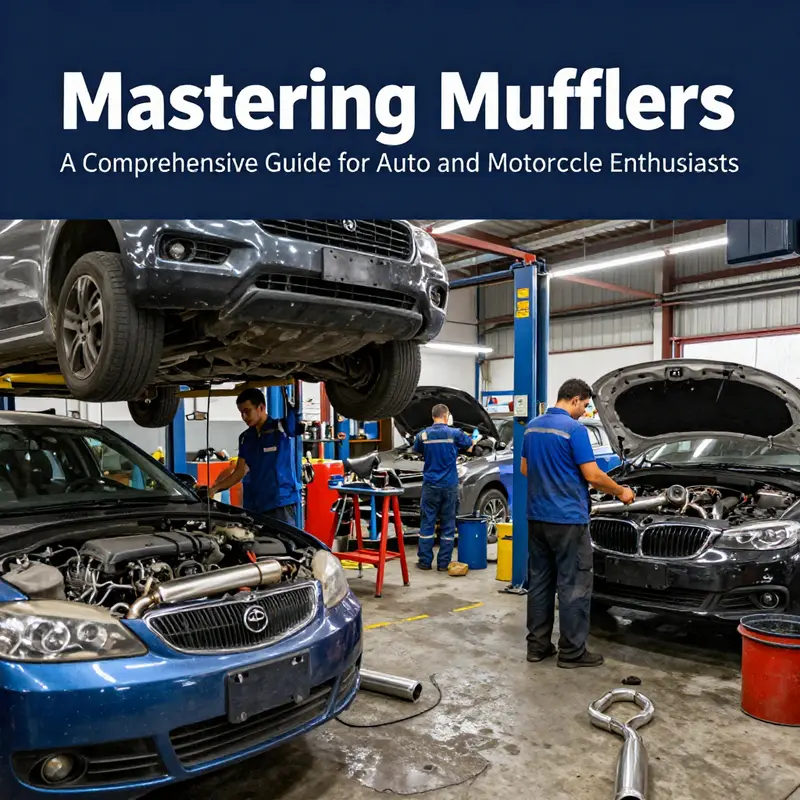
In the muffler and auto repair sector, the landscape is not only about pipes and exhaust but about people who set standards, policy that shapes operations, and the technological breakthroughs that translate into quieter, cleaner, more efficient engines. This chapter surveys the key players who define the direction of the industry and the forces that push shops—from small local garages to broader networks—to adapt and thrive. The research landscape emphasizes the need to understand status, establishment dates, registration details, and the local reality of service availability. When customers search for a muffler specialist, they rely on more than price. They seek legitimacy, consistent scheduling, and the ability to deliver compliant workmanship that respects environmental rules and noise standards. In this context, every decision a shop makes about equipment, training, and supplier relationships becomes part of a larger fabric that sustains trust in the market.
At the center of leadership is Bill Hanway, the Chairman and CEO of the Automotive Service Association, a prominent U.S. trade group representing automotive repair professionals. Under his guidance the ASA has become a reliable voice for independent repair shops, advocating for workforce training, regulatory compliance, and policy that helps local businesses compete fairly. In May 2019 Hanway issued a public statement about proposed tariff increases on Chinese imports and the likely negative impact on American auto parts manufacturers and consumers. The message highlighted how policy in distant capitals can ripple through a neighborhood shop, altering procurement costs, lead times, and the ability to offer timely maintenance. Later that year his remarks continued into the AC Auto Forum, where a keynote addressed the current state and challenges facing the U.S. automotive repair industry. That address reinforced the idea that the sector must balance speed and precision, the realities of an evolving workforce, and the pressure of evolving safety and emission standards. Hanway’s leadership thus helps frame discussions on how to recruit, train, and retain qualified technicians, how to maintain regulatory compliance across a patchwork of state and federal rules, and how to keep independent shops competitive in a market increasingly defined by transparency and reliability expectations.
Beyond the people who lead the profession, the technical core of the muffler has evolved in step with demand for performance, efficiency, and environmental stewardship. Modern mufflers with free flow technology aim to reduce backpressure and improve engine efficiency, a shift welcomed by performance enthusiasts and workshop technicians alike. Yet the engineering reality is nuanced. If a system is not properly tuned, free flow designs can introduce unexpected noise amplification or safety concerns at highway speeds. The cost difference between a basic and a free flow model is not negligible, but many shops and vehicle owners weigh the benefits in terms of torque, responsiveness, and long‑term durability. The ongoing tension between acoustic suppression, thermal durability, and aerodynamic efficiency reflects a broader industry shift: customers want quieter, cleaner operation, yet they expect reliability and longevity as emissions regulations tighten. This balancing act becomes a daily routine for technicians who must translate design intent into real‑world service, alignment checks, and correct installation procedures, all while ensuring the vehicle remains compliant with noise and emission standards.
For the technically inclined reader, the field rests on a solid base of engineering knowledge. The American Society of Mechanical Engineers publishes resources that explore muffler composition, materials, and industrial applications, offering insight into how modern designs manage acoustic control while withstanding heat and vibration. A comprehensive overview of free flow muffler systems highlights construction details, performance characteristics, and industrial use cases, illustrating how advances in materials and geometry contribute to overall system efficiency. This resource helps practitioners understand the tradeoffs between flow, sound, and temperature management, guiding decisions about what to install or replace in a given vehicle and how to explain those choices to customers. The conversation moves from anecdote to data, from shop chatter to standards, which is essential in markets with varied enforcement and consumer expectations. In this way, the chapter connects hands‑on craft with the broader currents of policy, technology, and environmental stewardship that shape everyday work in muffler and auto repair.
The data backbone for the chapter rests on clear, verifiable records from local business archives. The status of muffler and auto repair shops, whether active or inactive, and the exact registration numbers provide a truth table for consumers who want to know who is legitimately operating in their community. Such diligence supports consumer confidence and helps prevent scams or misrepresentations about service availability. In regions where shops frequently relocate or rebrand, a careful audit of establishment dates and licensing details helps map the true landscape, guiding customers to legitimate service points and helping regulators track compliance and safety practices. This is not mere paperwork; it is the foundation that allows independent garages to compete fairly, to hire skilled technicians, and to invest in training and equipment that keep pace with evolving muffler designs and diagnostic tools. The transparency of data also reinforces the idea that credible shops embrace accountability, share information about licensing, and welcome inspections that confirm safe and compliant practices.
For readers seeking practical anchors in this world, several resources offer more than headlines. A well-timed visit to an established local shop and a look at their online footprint can reveal a great deal about how the industry operates on the ground. To illustrate a simple path from curiosity to action, consider a concise reference point like a-to-z-auto-repair, which gives readers a sense of how a shop presents itself and documents its offerings in everyday practice. a-to-z-auto-repair serves as a bridge between theory and everyday operation and helps readers connect the chapter’s themes to a concrete example of how a shop communicates pricing, scheduling, and service history in a way that builds trust and reduces confusion.
The chapter binds together the human and the technical. It shows that the muffler and auto repair sector is not a narrow field of pipes and clamps but a living ecosystem where policy, standards, and customer expectations meet daily craft. Boards and associations shape priorities for training and compliance, while engineers and fabricators push the boundaries of materials and flow dynamics. Regulatory frameworks and environmental pressures push shops toward more sophisticated approaches to sound attenuation and exhaust treatment, while consumer demand for reliability and cost transparency drives shop owners to invest in diagnostic equipment and staff training. Data hygiene, verification of registration, and careful documentation become part of the value proposition offered by a trustworthy garage. In the end, the story of key players is less about a handful of prominent names and more about a network of relationships that sustain a robust, responsive service culture. The industry depends on clear communications, consistent standards, and accessible information that helps customers identify reliable partners. This integrated view sets the stage for the next chapter, where the focus shifts to the service experience and the customer journey through the muffler and auto repair landscape.
For further technical exploration of muffler design and its regulatory context, researchers may consult the broader technical literature, such as the Mechanical Engineering Magazine published by ASME: https://www.asme.org/publications/mechanical-engineering-magazine
Quiet Power: How Muffler Maintenance Shapes Vehicle Performance, Efficiency, and Safety
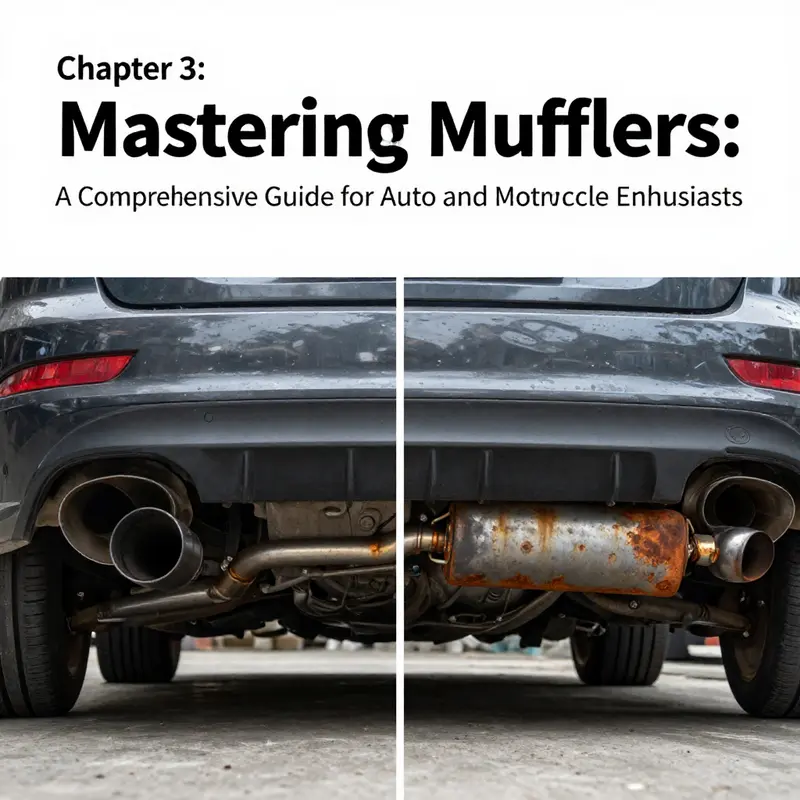
The muffler is easy to overlook, yet it sits at the heart of the exhaust system’s balance between performance, comfort, and safety. It is not simply a sound-dampening chamber; it is a carefully engineered element that coordinates with the catalytic converter, piping, and tailpipe to regulate how exhaust gases leave the engine. When maintenance is neglected, that coordination begins to fray in ways that ripple through a vehicle’s day-to-day operation. A well-kept muffler preserves smooth exhaust flow, keeps noise at a legal and comfortable level, and protects the engine from conditions that would otherwise degrade performance or shorten its life. The way a muffler ages—through rust, holes, or degraded internal baffles—tells a story about how the entire exhaust path ages with a vehicle, and it is often a telltale sign that other parts of the system may be nearing a need for attention as well. In practice, muffler maintenance is a habit of proactive care rather than a response to symptoms delivered in isolation. It is a habit that connects engineering performance with real-world driving experience and long-term reliability.
Beyond the audible cue of a louder ride, the muffler’s most consequential role is controlling backpressure. The exhaust system must expel spent gases efficiently to keep the engine breathing in a steady rhythm. When the muffler becomes restricted, whether by external rust or internal blockage, backpressure rises and the engine must work harder to push exhaust out of the cylinders. This extra effort translates into measurable outcomes: a drop in peak power, a reduction in throttle response, and, over time, a drag on fuel economy. Even modest restrictions can shave a few percent off efficiency figures, a consequence highlighted by energy research that tracks how exhaust dynamics influence overall vehicle performance. Regular inspection and timely cleaning or replacement of the muffler therefore play a direct role in keeping the engine operating near its designed efficiency, avoiding the cumulative hit to miles per gallon that drivers notice at the pump. When a muffler is functioning correctly, the engine’s torque curve remains more consistent across rev ranges, and that consistency translates into a more predictable driving experience—an attribute especially valued by drivers who rely on steady acceleration for safe merging or confident overtaking on highways.
Safety considerations extend well beyond the audible experience. The muffler is part of an exhaust pathway that, if compromised, can allow toxic fumes to enter the passenger cabin. Leaks near joints or holes in the muffler’s body create a potential route for carbon monoxide to seep inward, a hazard that is especially critical in vehicles with aging seals or in those where the exhaust system is not perfectly sealed. The Environmental Protection Agency has long warned about exposure to elevated CO levels inside a vehicle and the associated dizziness, nausea, and more severe outcomes in worst-case scenarios. Routine muffler maintenance thus becomes a preventive measure not only for occupant comfort but for life-safety, ensuring that the exhaust system remains intact in all operating conditions. This is particularly relevant for older vehicles or for cars that regularly carry passengers in congested urban environments where ventilation and sealing conditions can vary with temperature and humidity. In such contexts, a small leak today can become a larger risk tomorrow if left unaddressed.
The performance conversation around mufflers also takes a nuanced turn when considering high-performance or modified applications. In engines tuned for more aggressive power delivery, muffler design interacts with the engine’s scavenging process—the critical sequence by which spent gases are pulled out of the cylinders and fresh air-fuel mixture is drawn in. A high-performance muffler with precision-baffle design can improve exhaust scavenging, yielding snappier throttle response and, in some cases, modest horsepower gains. Nevertheless, these benefits hinge on compatibility with the engine’s specifications and the system as a whole. When a high-performance muffler is installed without proper calibration or maintenance, the gains can be illusory or transient, overshadowed by noise, vibration, or even efficiency losses caused by unintended backpressure changes. A contemporary automotive press review noted that under controlled conditions, certain upgrades can yield noticeable improvements in acceleration times, but those gains are contingent on proper matching to the engine and diligent maintenance. The practical takeaway for most drivers is that muffler maintenance is not a luxury but a prerequisite for any performance expectation to remain reliable across the vehicle’s service life. Maintaining a balanced exhaust path—where the muffler, pipes, and resonators cooperate in harmony—translates into smoother power delivery, more predictable throttle behavior, and a more controlled exhaust note that remains within legal and comfortable ranges regardless of how enthusiast-driven the driving style might be.
From a reliability standpoint, a muffler that is in good condition reduces the likelihood of cascading issues that can arise from exhaust leaks or misalignment. A damaged muffler can alter exhaust gas temperatures and flow patterns, which, in turn, can place additional strain on engine management systems that monitor air-fuel balance, catalytic converter health, and emissions output. Dedication to muffler care—regular visual checks for rust or holes, listening for changes in exhaust tone, and ensuring clamps and hangers are secure—becomes part of a broader approach to keeping the entire exhaust pathway in check. This approach also aligns with consumer expectations about service responsibility: a trip to a reputable shop that understands muffler and exhaust dynamics is an investment in vehicle longevity and in the predictable operation of emissions-control equipment, rather than a quick fix that might only mask symptoms.
Selecting a service provider that can deliver comprehensive inspection and repair requires some due diligence. Beyond the obvious questions about price and timeline, responsible consumers benefit from verifying a shop’s legitimacy, including local business registration and service history. A well-run muffler specialty shop will provide transparent assessments and offer options that balance cost, durability, and performance. This is where a thoughtful, local service relationship matters. A reputable shop can guide you through visual inspections, diagnostic tests, and safe, code-compliant replacement choices. For drivers seeking a reliable reference point in this journey, a visit to a trusted local provider’s resource page—paired with real-world inspections—offers useful insight into how muffler issues are diagnosed and resolved. For instance, one well-regarded shop resource presents straightforward guidance on engine and exhaust maintenance that can be accessed through their blog hub, helping owners to understand what to expect during a muffler service and how to ask informed questions when they Schedule repairs. A to Z Auto Repair offers a concise overview of general auto-repair planning, including muffler-related considerations, and can serve as a practical starting point for readers seeking context on maintenance workflows. Keeping the relationship with the repair shop transparent and data-driven helps ensure that a muffler service aligns with the vehicle’s designed performance envelope and with regulatory expectations.
Ultimately, muffler maintenance is a discipline that connects several strands of vehicle care: the desire for quiet, comfortable driving; the need to preserve engine efficiency and emissions integrity; and the imperative to protect occupants from harmful exhaust byproducts. It is a clear reminder that performance is not a single attribute but a composite outcome of sound engineering, regular inspection, and timely intervention. When owners adopt a proactive stance—planning inspections around regular maintenance schedules, listening for unusual sounds, and acting promptly on visible signs of wear—they are less likely to encounter the dramatic, last-minute failures that can lead to safety concerns or costly repairs. As the automotive landscape evolves, so too does the complexity of the exhaust system. Yet the underlying principle remains steady: a well-maintained muffler supports a smoother, safer, and more efficient ride, preserving both the machine’s power and the rider’s peace of mind. For readers who want to anchor this philosophy in practical steps, the next chapter will explore diagnostic clues and service intervals that translate maintenance planning into measurable, reliable outcomes. If you are curious about practical maintenance planning and how it translates to real-world service interactions, consider connecting with a local shop for a diagnostic check that includes exhaust-path assessment, noise and leak checks, and a recommended replacement timeline aligned with your vehicle’s design. For authoritative guidance on maintenance, see https://www.energy.gov/eere/vehicles/articles/exhaust-system-maintenance-and-vehicle-performance.
Chapter 4: Navigating Noise, Regulation, and Responsible Muffler Repair

The muffler is more than a noise suppressor or a simple downstream component of a vehicle’s exhaust system. It sits at the intersection of engineering, public safety, environmental stewardship, and consumer trust. In this chapter, we explore how the legal and regulatory terrain shapes every muffler repair or replacement, from the workshop floor to the roadside, and how a shop can operate with integrity in a market that prizes both performance and compliance. The aim is to illuminate how rules translate into practical steps for technicians and how informed customers can navigate the process without sacrificing reliability or safety. A durable muffler isn’t just about quieting an engine; it is about ensuring that what leaves the tailpipe does not harm air quality or the public’s well-being. To do this well, professionals must recognize that regulations exist not to stifle repairs but to align maintenance practices with broader environmental and public-safety objectives. A repair that ignores these standards may save a momentary cost but can invite fines, invalidate warranties, or jeopardize vehicle registrations. That perspective underpins responsible service in every shop that treats exhaust work as regulatory as well as mechanical care.
Central to the international frame is UN Regulation No. 92, which sets uniform provisions for the approval of non-original replacement exhaust silencing systems, known in some regulatory texts as NORESS, for vehicles in multiple categories. This regulation does not dictate the exact design of every muffler replacement; rather, it establishes a pathway for assessing whether an aftermarket system meets strict criteria for noise reduction, safety, and durability. The emphasis is on ensuring that components introduced into the market do not undermine environmental or public-safety protections. In practice, NORESS testing involves evaluating how well a replacement silencing system suppresses noise across typical operating scenarios, how it withstands mechanical stresses, and how it behaves over time under temperature cycles. Components that pass this gauntlet bear a label of compliance that helps technicians and customers distinguish legitimate options from parts that could perform poorly or fail in ways that cause hazards or excessive noise. These tests create a baseline of quality that, in theory, applies across borders for members of the participating regulatory framework. The outcome is a more predictable repair environment where an informed consumer can expect consistent performance from a post-market exhaust component, and technicians can rely on a set of standards when selecting parts for installation.
Following the European alignment, the EUR-Lex database provides authoritative access to official legislation, including UN Regulation No. 92 and related directives. This transparency matters because it gives repair professionals and informed consumers a single, verifiable reference point for what is legally permissible and what is expected in terms of testing, labeling, and certification. When shops cite regulatory references or request documentation from suppliers, they are not merely complying with a bureaucratic formality; they are signaling that their processes meet recognized standards designed to minimize noise pollution and environmental impact while maintaining vehicle safety and performance. The cross-border relevance of such standards also fosters consumer confidence in repair work carried out near state or national borders, where vehicles frequently travel and where emissions and noise laws may vary but are anchored to a consistent core in UN Regulation No. 92. For those who want to investigate the regulatory backbone themselves, EUR-Lex serves as an essential repository for the underlying texts and amendments in force across the European Union.
In the United States, the regulatory landscape diverges in structure but converges on core protections. The Environmental Protection Agency enforces rules under the Clean Air Act, with a mandate to prohibit modifications that increase emissions or deviate from OEM specifications. Muffler repair or replacement projects must therefore be evaluated for their impact on emissions and performance relative to the vehicle’s original design. This means that a repair shop cannot simply swap in any pipe or silencing system without considering whether the modification complies with emissions standards, sensor calibrations, and the vehicle’s catalyst and exhaust after-treatment configuration. The practical implication for technicians is a disciplined process: verify the compatibility of the chosen aftermarket part with the vehicle’s engine management and emissions control systems, document the rationale for the replacement, and retain evidence of any certifications applicable to the part. States, too, exercise their own regulatory authority; California, for example, enforces standards through its Air Resources Board (CARB), which imposes additional certification requirements on aftermarket exhaust systems sold or installed within the state. The consequence for repair businesses is heightened diligence, particularly where customers travel between jurisdictions that may apply different thresholds for allowable modifications.
The convergence of international, national, and state-level rules would be moot if not translated into clear, repeatable shop practices. From the technician’s standpoint, compliance starts with education and continues through process discipline. A well-run muffler repair operation maintains a catalog of approved parts that have either NORESS or CARB/EPA certification or explicit OEM compatibility documentation. When a part’s status is uncertain, the prudent path is to hold the part or consult the supplier for certification data before proceeding. Alongside part certification, proper installation procedures become a focal point. Exhaust piping and muffler hangers are subject to vibration, heat, and road stress; therefore, technicians must ensure that mounting hardware, clamps, and flexible sections perform within design tolerances. In many regulatory environments, installations must also demonstrate that mounting does not alter critical exhaust flow paths, sensor positions, or heat shielding in ways that could affect engine management or thermal protection systems.
Beyond the mechanics and the law, a robust regulatory framework underlines the importance of consumer awareness and trust. Local business registration archives are an often overlooked resource for verifying a repair shop’s legitimacy and service availability. When a consumer asks for a muffler repair, they are not merely requesting a fix; they are seeking assurance that the shop operates within a legitimate legal framework, maintains proper records, and adheres to recognized quality and safety standards. For professionals, this recognition translates into a duty to communicate clearly about the parts being used, their certification status, and the expected outcomes in noise, emissions, and durability. Shared transparency between shop and customer reduces the likelihood of post-service disputes, enhances safety, and supports long-term vehicle reliability. A practical approach involves providing customers with part certification labels or a brief compliance summary for installed components and offering to reference the relevant regulatory texts as needed.
In terms of materials and technical standards, the regulator’s concerns extend to the durability and performance of mufflers under real-world conditions. The aim is to ensure that exhaust systems resist corrosion, withstand thermal cycling, and maintain structural integrity in the face of service life demands. These standards help prevent premature failures that could undermine safety or environmental objectives. Technicians who understand these expectations tend to select configurations that balance noise reduction with robust mechanical design, recognizing that a louder system may draw regulatory attention and a stricter inspection, while an overly restrictive muffler could compromise performance. The overarching intent is a consistent, predictable outcome: a repair that preserves safety, minimizes noise pollution, and respects environmental protections.
For readers who want to ground their understanding in concrete sources, the most relevant English source remains the official text of Regulation (EU) 2023/1714, which implements UN Regulation No. 92 on non-original replacement exhaust silencing systems. This text anchors the discussion and serves as a reference point for cross-border regulatory expectations, making it a valuable resource for professionals who serve customers across national lines as well as for informed consumers seeking to understand the standards behind muffler replacements. Additionally, practitioners can draw on practical guidance from widely read auto-repair resources that discuss the fundamentals of exhaust maintenance and repair. A representative example can be found in accessible overviews that examine the scope of auto repair work and the criteria for choosing appropriate services, such as those described in general auto-repair guidance. When integrating these resources into everyday practice, shops should also consider internal references that highlight the importance of compliant repair workflows and customer communication.
In closing, the regulatory framework surrounding muffler repair is fundamentally about safety, environmental protection, and consistency. It demands that repairs and replacements use approved parts that meet clear standards, whether through UN Regulation No. 92, EPA guidelines, or CARB certification. The goal is not to constrain craftsmanship but to ensure that every repair contributes to a quieter, cleaner, and safer road environment. The legitimate repair shop, therefore, functions as a steward of regulatory compliance as much as a craftsman of exhaust systems, translating complex rules into reliable service for every customer who depends on a roadworthy, responsible vehicle. For practitioners seeking a concrete, ongoing reference to the regulatory texts behind this practice, the chapter invites engagement with established regulatory resources and a commitment to transparent, standards-based service.
Internal link for further context: A to Z Auto Repair.
External resource: https://eur-lex.europa.eu/legal-content/EN/TXT/?uri=CELEX:32023R1714
Shifting Winds, Lasting Parts: Economic Forces Shaping Muffler Repair and Auto Service
Economic forces do not merely rest on the doorstep of a muffler shop; they set the tempo of work, define the cadence of service bays, and quietly redraw the balance sheet with every invoice. In the auto repair sector, where muffler care sits at the intersection of emissions compliance, vehicle longevity, and customer trust, macroeconomics translates into more than a chart on a wall. It becomes the daily arithmetic of whether a vehicle owner visits for a quick exhaust inspection, or returns for a full replacement later in the life cycle of the car. The most immediate lever is consumer disposable income. When households feel confident about their after-tax budgets, they treat routine maintenance as a value precaution rather than a cost to be postponed. That translates into steady or rising demand for muffler inspections and replacements, especially for aging vehicles that accumulate miles and wear. In contrast, during economic slowdowns or periods of rising inflation, discretionary maintenance often moves down the priority list. Owners delay nonessential repairs, seek cheaper alternatives, or consolidate visits to a single shop for multiple needs, if possible. The consequence is a pullback in service volumes that can compress margins for shops that run tight labor utilization or have limited back-office capacity to absorb variability. The flip side is that when the economy strengthens, the same shops see an uptick in diagnostic work, in part driven by owners who choose preventive maintenance to avoid costlier repairs later on. In muffler-focused service, this dynamic can manifest as a rise in inspections tied to emissions programs, followed by a higher likelihood of replacements when a single visit uncovers multiple issues together. At the core of these cycles lies the delicate balance between demand and price. The price of labor and parts is the second critical economic factor shaping muffler and auto repair businesses. Technicians bring specialized knowledge, and skilled labor remains a scarce resource in many markets. Wages climb as competition for talent intensifies, particularly for shops that offer advanced exhaust diagnostics, welding, or fabrication capabilities. Meanwhile, the cost of parts—mufflers, resonators, pipes, clamps, catalytic considerations—responds to global commodity markets, especially steel and aluminum. A sudden spike in raw material costs can squeeze margins if the shop cannot pass those costs through to customers quickly, or if customers balk at higher quotes. In practical terms, a shop that relies heavily on a fixed-price model or that has long-standing supplier agreements may absorb a portion of the volatility, but sustained increases in metals prices eventually ripple through to pricing, which can alter demand elasticity. This is where strategic operational choices come into play: hedging procurement, maintaining a lean inventory of commonly replaced muffler sections, and offering transparent, itemized estimates can help customers understand value and reduce friction when prices adjust. Access to capital and credit is another pivotal determinant of resilience and growth in muffler repair and auto service. Small and mid-sized shops often face tighter financing conditions than larger chains or dealer-affiliated networks. Higher interest rates and stringent lending criteria can limit a shop’s ability to invest in modern diagnostic equipment, shop upgrades, or expanded service offerings. Without access to affordable capital, a shop may fall behind in adopting new inspection technologies, training programs, or safety improvements that improve efficiency and accuracy. In markets where financing is scarce, service providers might rely more on cash flow management, tighter scheduling, or a slower pace of expansion, even as the underlying demand remains stable. Conversely, where capital is accessible, shops can invest in energy-efficient lighting, ergonomic bays, and automated estimation systems that reduce cycle times and improve accuracy. These investments can produce meaningful returns by increasing throughput and enabling broader service capabilities, including more sophisticated exhaust diagnostics and climate-appropriate service packages that align with seasonal demand. Government regulation and policy add another layer of influence that blends economics with compliance. Environmental and emissions standards create a continuous baseline demand for exhaust system integrity, including mufflers, catalytic converters, and associated components. When vehicles are required to meet certain emissions criteria or undergo regular inspections, muffler-related maintenance becomes part of a larger compliance ecosystem. On one hand, this creates predictable demand for inspections and maintenance across certain regions and seasons; on the other hand, it imposes costs in the form of required certifications, training, and equipment upgrades. Shops that invest in compliant practices—proper welding certifications, safe handling of exhaust systems, and waste disposal—may reduce the risk of fines or failed inspections, preserving customer trust and repeat business. Those costs, while meaningful, tend to be offset over time by greater reliability, fewer warranty disputes, and a clearer pathway to long-term profitability. Macroeconomic trends such as fuel prices and the age distribution of the vehicle fleet also shape the muffler and repair landscape. Higher fuel prices can extend vehicle lifespans as owners search for ways to maximize efficiency and stretch every mile. Older vehicles, which are more prone to exhaust system wear and failures, drive steady volumes for muffler replacements and repairs. An aging fleet sustains demand even when new-vehicle sales slow, creating a stable stream of work for independent shops that specialize in exhaust work and related issues. This reality underscores the importance of a shop’s market positioning: a firm that emphasizes preventive maintenance, transparent pricing, and rapid turnaround can attract loyal customers who rely on them for recurring muffler checks as part of an overall maintenance plan. The research landscape—data from official registries, industry analyses, and public records—emphasizes the necessity of credibility and legitimacy in a market where customer trust is essential. Consumers increasingly cross-check local business registrations and service histories to gauge whether a shop is a legitimate and capable partner for important tasks like muffler replacement and emissions-related work. In this context, a shop’s narrative matters as much as its capability; a transparent story about qualifications, equipment investments, and service guarantees helps distinguish reputable providers in a crowded field. For readers seeking broader context, industry analyses like Grand View Research offer macro-level perspective on the car exhaust mufflers market, illuminating how global supply chains, material costs, and regulatory trends intersect with regional demand. A considered approach to growth in this sector combines data-driven pricing, strategic capital allocation, and a commitment to regulatory compliance, paired with a focus on customer communication. Within a local economy, customers respond to clear estimates, realistic timelines, and consistent service quality. Shops that embody these traits are more resilient to economic fluctuations, translating macro trends into a steady, reliable client base. The responsiveness to market signals is equally important. A shop that monitors regional unemployment rates, consumer confidence indicators, and seasonal maintenance patterns can adjust staffing levels, diversify service packages, and optimize inventory to align with anticipated demand. For instance, a winter-facing muffler service program that bundles inspection with preventive components can convert a dip in walk-in traffic into a predictable flow of work when weather and holidays drive scheduling patterns. The human element remains central: skilled technicians who understand exhaust systems not only diagnose and repair but also educate customers about the value of timely maintenance. In many communities, the decision to repair or replace a muffler is informed by a practical calculus—cost, safety, and environmental responsibility—woven together with the owner’s financial realities. The best shops translate that calculus into a trusted experience, presenting clear options and outcomes so customers can participate in the decision with confidence. As the landscape evolves, interlinked factors—labor costs, material volatility, access to capital, regulatory requirements, and fleet aging—will continue to shape the rhythm of muffler and auto repair businesses. The narrative is not solely about surviving economic cycles; it is about building durable, transparent relationships with customers while maintaining operational flexibility. For readers who want a concise guide to broader service considerations, a quick reference to an established auto repair overview can be found here: A-to-Z Auto Repair. For those seeking external market context, the evolving picture of car exhaust mufflers is discussed in industry research at Grand View Research: https://www.grandviewresearch.com/industry-analysis/car-exhaust-mufflers-market.
Final thoughts
Muffler and auto repair services are vital for maintaining vehicle performance and ensuring safety on the road. By understanding the functions, maintenance, and regulations surrounding mufflers, vehicle owners can make informed decisions that enhance their driving experience. The insights provided in this guide are geared toward helping motorcycle and auto owners alike recognize the importance of these services and their impact on longevity and performance. Engaging with reputable professionals and staying informed about economic trends can lead to smarter, cost-effective choices for any vehicle owner.