
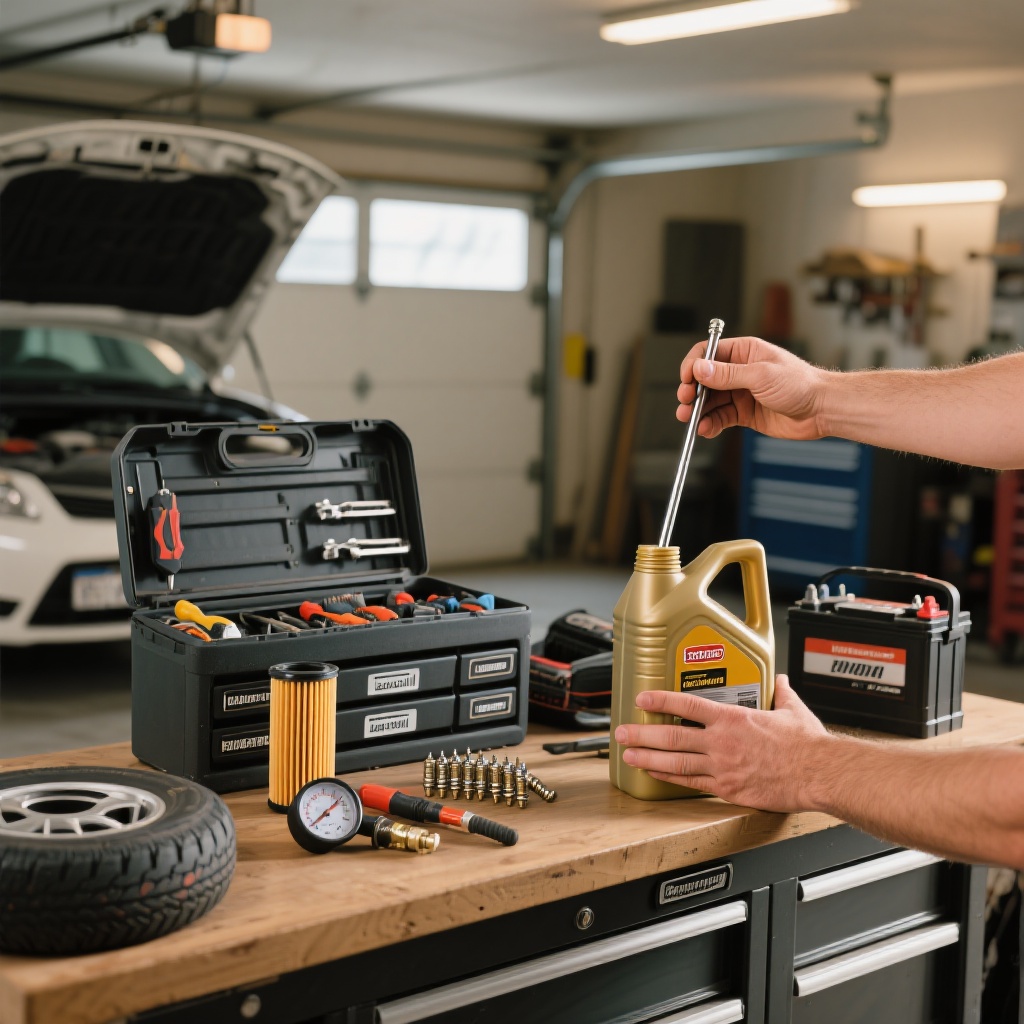
Unlock practical car maintenance skills that save you time, money, and stress. In this guide you’ll learn a handful of doable tasks you can handle this weekend, with real world results you can feel on the road. Ready to take control under the hood and learn what actually matters? Dive in to build confidence step by step and start saving from your next trip to the shop.
Basic engine maintenance skills save time and money by preventing small problems from blooming into costly repairs. When you know how to perform routine tasks you reduce the number of repair visits and avoid unnecessary labor charges. You do not need to become a professional mechanic, just gain confidence with practical tasks that cover the essentials of car maintenance skills. With a few steady steps you learn to listen for odd noises, spot leaks, and keep the engine running clean and efficient. The payoff is fewer trips to the shop and more money staying in your pocket.
- Oil changes at recommended intervals keep lubrication optimal and prevent sludge buildup
- Air and oil filters help air flow and engine breathing, reducing strain
- Spark plugs and ignition components should be checked to avoid misfires
- Tire maintenance and proper pressures improve safety and fuel efficiency
- Battery checks and fluid tops prevent unexpected breakdowns and expensive tow costs
These basics also cut wasted time. When you handle small tasks on your schedule you avoid waiting for a technician and you learn to recognize symptoms before they escalate. DIY car ownership becomes a practical habit that keeps you moving with less downtime and more confidence.
Financially the payoff shows up in lower labor costs and fewer emergency repairs. For example replacing spark plugs can save over $250 on labor costs, while a routine oil change keeps the engine healthy and prevents expensive damage. Consistent checks of fluids, tire pressure, and filters are inexpensive insurance against costly visits.
Learning to perform these tasks reinforces how car maintenance skills empower DIY car ownership and support smart ownership habits.
Now the evidence section offers data that backs these claims.
Evidence for strong car maintenance skills
Real world data and cost considerations show why developing solid car maintenance skills matters for ongoing reliability and savings. The following facts anchor the case for taking control of routine tasks instead of deferring everything to a shop.
- NHTSA reports nearly eleven thousand tire related crashes per year.
- There were 646 fatalities in 2023 due to tire related incidents.
- Engine and cabin filters should typically be replaced every 12,000 to 15,000 miles or once a year.
- Replacing spark plugs can save over $250 on labor costs.
Doing the small stuff yourself will certainly save you from high labor costs.
Getting it done yourself can be a lifesaver.
Paying a professional to deal with your car’s issues is tempting, and sometimes completely necessary.
Taken together these data points reinforce why car maintenance skills matter for practical ownership. They also connect with related keywords such as DIY car ownership, tire maintenance, spark plugs, filter replacement, oil changes, wiper blades, car fluids, battery replacement, and filter replacement. By prioritizing routine tasks like tire maintenance, filter replacement, spark plug checks, oil changes, and regular battery checks, you can lower the risk of costly breakdowns and repair bills while keeping your vehicle performing at its best. The main keyword car maintenance skills guides every step and links to the broader idea of mindful ownership and proactive care in the realm of car maintenance skills and related keywords.
Beyond safety, these figures underscore the financial logic behind building strong car maintenance skills. When you adopt these practical habits you are not merely chasing a quieter engine you are investing in reliability and predictable costs. Regularly replacing filters helps maintain clean air intake and cabin air quality while reducing strain on the engine. Addressing spark plug wear prevents misfires that waste fuel and can prevent embarrassing breakdowns. A routine focus on tire maintenance improves grip and fuel efficiency and lowers the chance of a roadside emergency. In daily life these tasks connect with related keywords such as oil changes, wiper blades, car fluids, battery replacement, and filter replacement, weaving a practical path from knowledge to real world savings and safer driving.
In short, the evidence supports the main idea that car maintenance skills empower safer, cheaper, and more confident ownership.
Evidence: Real-world cost savings from car maintenance skills
Evidence for strong car maintenance skills
Real world data and cost considerations show why developing solid car maintenance skills matters for ongoing reliability and savings. The following facts anchor the case for taking control of routine tasks instead of deferring everything to a shop.
- NHTSA reports nearly eleven thousand tire related crashes per year.
- There were 646 fatalities in 2023 due to tire related incidents.
- Engine and cabin filters should typically be replaced every 12,000 to 15,000 miles or once a year.
- Replacing spark plugs can save over $250 on labor costs.
Doing the small stuff yourself will certainly save you from high labor costs.
Getting it done yourself can be a lifesaver.
Paying a professional to deal with your car’s issues is tempting, and sometimes completely necessary.
Taken together these data points reinforce why car maintenance skills matter for practical ownership. They also connect with related keywords such as DIY car ownership, tire maintenance, spark plugs, filter replacement, oil changes, wiper blades, car fluids, battery replacement, and filter replacement. By prioritizing routine tasks like tire maintenance, filter replacement, spark plug checks, oil changes, and regular battery checks, you can lower the risk of costly breakdowns and repair bills while keeping your vehicle performing at its best. The main keyword car maintenance skills guides every step and links to the broader idea of mindful ownership and proactive care in the realm of car maintenance skills and related keywords.
Beyond safety, these figures underscore the financial logic behind building strong car maintenance skills. When you adopt these practical habits you are not merely chasing a quieter engine you are investing in reliability and predictable costs. Regularly replacing filters helps maintain clean air intake and cabin air quality while reducing strain on the engine. Addressing spark plug wear prevents misfires that waste fuel and can prevent embarrassing breakdowns. A routine focus on tire maintenance improves grip and fuel efficiency and lowers the chance of a roadside emergency. In daily life these tasks connect with related keywords such as oil changes, wiper blades, car fluids, battery replacement, and filter replacement, weaving a practical path from knowledge to real world savings and safer driving.
In short, the evidence supports the main idea that car maintenance skills empower safer, cheaper, and more confident ownership.
Before we dive into the image that will bring this routine to life, close your eyes for a moment and picture a small, well lit garage bench. A pair of hands moves with practiced calm: the hood is propped, a cloth wiped across the dipstick, oil gleaming at the edge, a quick check of fluid levels, and a careful spin of a cap that seats snugly. You trace a predictable rhythm a small sequence you can repeat: inspect, top up if needed, tighten, wipe, and move on. The upcoming visual will show this routine in motion a clear, step by step guide you can imitate. Seeing it laid out makes the concept concrete turning theory into action. The payoff from basic engine-care steps is tangible quieter starts smoother running and fewer surprises on the road. car maintenance skills become a practical superpower you use every week.

Next we turn to a practical maintenance table that lays out the key intervals you can follow with confidence. The table shows each task such as oil changes, filter checks, spark plug inspections, tire maintenance, and fluid tops, along with recommended mile or time windows. Each interval matters because it aligns with how the engine wears and how fuel efficiency and reliability respond to routine care. Skipping or delaying these tasks can let small issues grow into bigger outages that interrupt daily life. By honoring the schedule you support long term engine health and preserve the performance you rely on during daily commutes and weekend projects. Following the intervals is a simple form of proactive care, a core part of car maintenance skills that makes DIY ownership practical. This approach reduces the chance of unexpected breakdowns and helps your vehicle stay dependable for years to come.
| Task | Recommended Interval | Notes | Rationale |
|---|---|---|---|
| Oil change | 5,000–7,500 miles depending on vehicle | Varies with oil type and driving. Follow manufacturer intervals; severe service may require more frequent changes; monitor for sludge or leaks. | Keeps engine properly lubricated and cooling lines clear, reduces wear, prevents sludge buildup, and supports fuel efficiency. |
| Air filter replacement | 12,000–15,000 miles | Dusty or high mileage conditions may shorten life; replace with OEM parts and inspect housing for damage. | Maintains clean air intake to improve combustion efficiency, protect the engine from debris, and sustain optimal fuel economy. |
| Spark plugs | Model specific | Replacement intervals depend on plug type and engine design; refer to vehicle manual and avoid cross threaded fittings. | Prevents misfires and inefficient combustion, supports smooth idle, better emissions, and fuel efficiency. |
| Battery check | Every 3–4 years | Climate and usage affect lifespan; inspect terminals for corrosion and test with a load tester before replacement. | Reduces the risk of unexpected starting failures and electrical issues. |
| Tire rotation | Every 5,000–7,000 miles | Regular rotation helps even wear; inspect tread depth and tire condition; ensure proper torque when reinstalling. | Promotes even tire wear, extends tire life, improves grip and fuel efficiency, and enhances safety. |
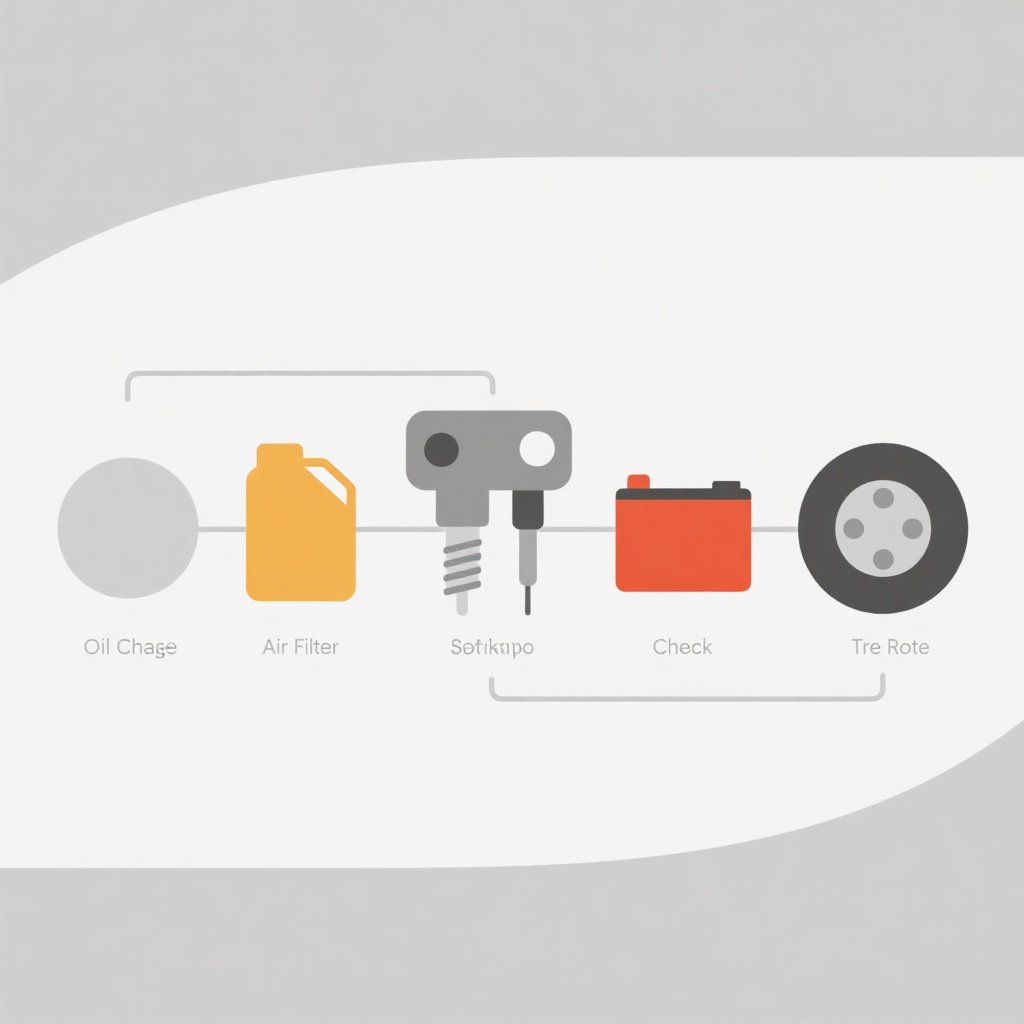
Basic Engine Maintenance Basics
Keeping your car’s engine healthy relies on following simple, repeatable maintenance tasks. Here are practical reminders to keep oil changes, filters, spark plugs, fluids, and tires on track.
- Follow manufacturer intervals for oil changes, filters, and spark plugs to prevent sludge and misfires.
- Use proper torque specs; overtightening or loose bolts can cause leaks and damage.
- Do not overfill or underfill engine oil to avoid bearing and seal wear.
- Keep fluids separated and use the correct type to prevent corrosion or failure.
- Let the engine cool before replacing parts to avoid burns.
- Clean mating surfaces and gasket areas before reinstalling parts to prevent leaks.
- Check tire torque and correct PSI, following lug-nut cross patterns for safety and efficiency.
- Inspect for leaks after maintenance to catch issues early.
- Follow safety steps, including disconnecting battery if near live circuits.
- Use a torque wrench for critical fasteners rather than guessing.
- Verify compatibility with your model manual or OEM parts to ensure reliability.
- Maintain PPE and a clean workspace to reduce risk during maintenance.
Conclusion and payoff
Mastering car maintenance skills is not about becoming a professional mechanic overnight; it is about building confidence, reducing unexpected breakdowns, and keeping your vehicle reliable for everyday life. Throughout this guide we break down practical basics such as oil changes, filter checks, tire maintenance, spark plugs, wiper blades, car fluids, battery replacement, and filter replacement. The main keyword is car maintenance skills, which binds these activities together, while the related keywords include DIY car ownership, oil changes, tire maintenance, spark plugs, wiper blades, car fluids, battery replacement, and filter replacement. Small, consistent steps compound into lasting results: fewer trips to the shop, lower labor costs, and more predictable reliability.
The payoff extends beyond money. You’ll experience smoother starts, steadier performance, and quieter operation, with less anxiety about the next roadside emergency. You will also develop a habit of safety minded care that keeps you and your passengers protected. By staying curious and methodical you transform maintenance from a chore into a repeatable routine that fits a busy life. The payoff is not only a healthier engine, but stronger ownership knowledge that makes you more confident on the road.
Actionable next step: choose one task from the Basic Engine Maintenance checklist, gather the necessary tools, and perform it this week following manufacturer guidelines. Reflect on what you learned, then plan your next practice session.
CTA: Start practicing at home today and turn tiny maintenance wins into lasting car care confidence.
Doing the small stuff yourself will certainly save you from high labor costs.
This emphasizes that routine checks and minor repairs reduce billable hours and keep money in your pocket.
Getting it done yourself can be a lifesaver.
In urgent situations or tight time frames, having the skill to address simple issues can prevent breakdowns and tow costs.
Paying a professional to deal with your car’s issues is tempting, and sometimes completely necessary.
This underlines the boundaries of DIY and highlights why safety and engine health matter you must know when to seek expert help.
Together these reflections anchor practical care within a broader ownership mindset.
While the quotes celebrate do it yourself steps the article also reminds readers to weigh costs time and safety. Practical DIY gains come from steady practice organized tools and following manufacturer guidelines. When used wisely this approach reduces expense while preserving vehicle reliability and peace of mind for everyday driving.
SEO metadata and internal linking guidance
This section provides SEO focused metadata and practical internal linking recommendations for the Engine Repair Guides pillar. It uses the main keyword car maintenance skills along with related keywords to improve discoverability while supporting user intent and page relevance.
Meta description
Create a concise and compelling meta description that mentions car maintenance skills and related topics such as oil changes tire maintenance and DIY car ownership. Sample meta description:
Explore practical car maintenance skills to save time and money. Learn essential do it yourself tasks from oil changes to tire care and engine checks for safer smoother driving.
Title tag ideas
- Car maintenance skills practical DIY guide for engine care
- Master car maintenance skills for confident ownership
- Essential car maintenance skills for safer and cheaper repairs
- DIY car ownership starts with core car maintenance skills
- Car maintenance skills that save time and money
Internal link anchors within Engine Repair Guides
Image alt text optimization
- Use descriptive alt text that clearly summarizes the image content and, when appropriate, includes the target keywords without keyword stuffing
- For decorative or purely structural images leave alt text empty to avoid screen reader clutter
- Keep alt text concise, typically under 125 characters, while preserving meaning
- Maintain consistent terminology across images such as car maintenance skills oil changes tire maintenance and engine care
Schema microdata suggestions
To support search engines with structured data consider adding microdata for an Article type on the page. A simple implementation can include:
Note: do not include code blocks; keep markdown simple and focused on the article topic. The goal is to improve snippet visibility while aligning with user intent and related keywords.
Notes
- The guidance above emphasizes core phrases like car maintenance skills and related keywords to reinforce relevance across related topics.
- Place internal links naturally within the narrative so readers discover related guides without disruption.
- Image alt text and schema microdata work in tandem to improve accessibility and search engine understanding while preserving a clean user experience.
This is the moment where a small spark of preparation saves a mountain of trouble. The friction of a numb clutch, a stumble in the idle, or a stubborn leak can grow into roadside stress, unexpected downtime, and steep repair bills. When timing and costs matter, every skipped check costs more than the price of a quick fix. The good news is this guide offers practical gains you can reach with basic car maintenance skills. By learning these routine tasks you prevent surprises, reduce labor costs, and keep your daily life moving with confidence.
A Beginner Friendly Journey: A Simple Learning Path
Take a gentle start. Focus on one task at a time and gradually expand your skills.
- Start with oil changes and filter checks to build routine
- Learn to check and top up essential fluids safely
- Practice tire care and battery basics to prevent surprises
- Tackle small tasks you can finish in under an hour
Evidence for strong car maintenance skills
Real world data and cost considerations show why building habits matters for reliability and savings.
- Tire related crashes highlight risk and the payoff of regular checks
- Replace filters every 12 000 to 15 000 miles or yearly
- Spark plugs can save labor costs
Cost savings at a glance
Five-year total with maintenance: $750
Five-year total without maintenance: $2,250
Estimated savings: about $1,500
| Year | Cost with maintenance | Cost without maintenance |
|---|---|---|
| 1 | $150 | $450 |
| 2 | $300 | $900 |
| 3 | $450 | $1,350 |
| 4 | $600 | $1,800 |
| 5 | $750 | $2,250 |
Visual assets and accessibility updates
Engine Care Visual
- Alt text: A concise alt text describing a minimal abstract engine care visual highlighting routine maintenance tasks such as oil changes filters spark plugs tire care and battery checks within the broader theme of car maintenance skills.
- Caption: A minimal abstract engine care visual uses simple shapes to symbolize essential car maintenance tasks, focusing on oil changes, air and oil filters, spark plugs, tire care, and battery checks within the broader theme of car maintenance skills.
Engine Care Visual 2
- Alt text: Abstract engine diagram with color coded blocks representing maintenance tasks including oil change air filter replacement spark plugs battery check and tire rotation; neutral tones with a single accent color.
- Caption: Second abstract engine diagram uses color coded components to visually map core maintenance tasks in a clean, approachable style.
Bridge into Maintenance Table
The Bridge into Maintenance Table remains a practical hub for scheduling care. To reinforce the plan visually, we’ve added a dedicated infographic that summarizes the core maintenance intervals at a glance, aligned with the stated table below.
Infographic: Core maintenance intervals (to accompany Bridge into Maintenance Table)

Take action today
Action step moved here: Pick one practical maintenance task from the Basic Engine Maintenance checklist, gather the necessary tools, and complete it this week following manufacturer guidelines. After you finish, write down what you learned and plan your next practice session to build momentum.
Printable Quick-Checklist PDF: Download here
Beginner friendly guide to DIY car maintenance: Visit guide
Why this helps: Practicing at home reduces surprises saves money and builds confidence.
What to do next: schedule a weekly 30 minute maintenance session, select a task you can complete within that window, and log the result to track your growth.
Car maintenance skills: Practical guide to engine care
Car maintenance skills empower drivers to keep engines healthier, safer, and cheaper to operate. By focusing on core tasks such as oil changes, tire maintenance, spark plugs, filter replacement, car fluids, battery checks, and fuel efficiency you build reliable routines. These practices translate into less time stranded and fewer dollars spent on repairs. The goal is practical DIY confidence, not professional-level mechanic training.
Quick-start checklist
- Check oil level and color each month
- Inspect tires for wear and proper pressure
- Replace cabin and engine air filters as needed
- Inspect battery terminals for corrosion
- Top up essential fluids (coolant, brake fluid, power steering)
Oil changes
Regular oil changes keep bearings cooled and reduce friction. Use the right viscosity and follow manufacturer intervals. Check oil level with the engine cold, wipe dipstick clean, reinsert, and read. Replace the drain plug gasket if needed.
Tire maintenance
Tires affect safety, handling, and fuel economy. Check tread depth, look for bulges, and ensure tires are inflated to the recommended pressure. Rotate tires per schedule to promote even wear. Consider replacement if cords or sidewalls show damage.
Spark plugs and ignition
Spark plugs influence idle smoothness and efficiency. Replace according to manual, gap plugs to specification, and inspect for wear. Bad plugs can cause misfires and reduced MPG.
Filters and air quality
Engine air filters and cabin filters protect performance and comfort. Replace as recommended; in dusty areas, more frequent changes may be needed.
Fluids and levels
Regular checks of coolant, brake fluid, power steering, and transmission fluids require regular checks. Top up to the correct levels and use the right fluid types. In some cases, you should consult a mechanic for flushes.
Battery and charging
Test battery health, clean corrosion from terminals, and ensure secure connections. Replace aging batteries to prevent stalls.
Maintenance rhythm and next steps
Create a simple cadence—one core task per month—and document what you learn. Track mileage and conditions to adjust intervals. With consistent practice, car maintenance becomes a small, predictable part of your routine, delivering safer drives and lower costs over time.
Key takeaways
A quick real world story shows the value of staying on top of basics. Last winter, a busy parent named Maya followed a simple upkeep routine: check oil level, top off windshield washer fluid, inspect tires, and clean corroded battery terminals. When a small coolant leak or a sluggish start appeared, she fixed the issue herself rather than calling a tow. The result: she avoided hundreds of dollars in labor and service fees and got back on the road in under an hour.
From this approach you can take away:
- Regular, small checks prevent surprises and expensive repairs.
- You do not need full mechanic training to avert most roadside headaches.
- Replacing a spark plug when needed can save over two hundred fifty dollars in labor.
Success metrics for this guide focus on readability accessibility and linking discipline to keep the piece usable and discoverable. The targets are practical and verifiable and they guide edits and future content updates.
- Achieve a Flesch reading ease score of between sixty five and seventy five
- Ensure every image has alt text and a caption
- Achieve three to five outbound and inbound links per one thousand words combined
How to measure and track progress
- Readability: run a readability check during editing and at final draft. If the score drops below sixty five, shorten long sentences and substitute simpler words.
- Accessibility: verify that every image has alt text and that captions are present. Use automated checks and manual review for screen reader comfort.
- Linking: maintain a live log of internal and external links. Compare your current word count with the link count to keep the target of three to five links per one thousand words. Update links as the article grows.
Implementation plan
- Run readability accessibility and link checks before publishing.
- Document the results in a short metrics section and set a monthly review cycle.
The result is content that reads well supports accessibility and stays linked to the wider guide.