

Introduction
Starting an auto repair shop is becoming increasingly vital in today’s fast-paced world, where vehicles are essential to daily life. As both auto and motorcycle owners look for dependable services to keep their vehicles running smoothly, the demand for skilled mechanics is on the rise. The potential benefits of entering this rewarding field extend not only to the business owners but also to the communities they serve. By establishing a motorcycle repair shop or an auto repair business, you can meet this rising demand while enjoying financial stability, job satisfaction, and the opportunity to make a positive impact.
With vehicles requiring regular maintenance and occasional repairs, a well-run auto repair shop provides a much-needed service that can bolster customer loyalty and trust. It opens the doors to working with a diverse clientele and provides significant opportunities for collaboration with auto parts distributors. As the market for auto and motorcycle repair continues to expand, there’s no better time than now to embark on this exciting journey. If you’re considering how to start an auto repair shop, you’re not just venturing into a business-you’re stepping into a crucial role within your community. Learn more about common engine maintenance mistakes to prepare for the challenges ahead!
Whether you’re a seasoned mechanic or a novice passionate about cars, diving into the auto repair industry can be fulfilling on numerous levels. From offering essential services that keep vehicles on the road to developing lasting relationships with clients, the rewards are plentiful. Let’s explore how to successfully navigate this journey and start an auto repair shop that stands out in the bustling automotive landscape!
Starting an auto repair shop can be an exciting endeavor. Here’s an outline of key considerations and steps to help you set up successfully:
-
Location Selection:
-
Choose a location that’s easily accessible with sufficient parking.
-
Analyze local competition to identify gaps in services offered.
-
Ensure the area has a decent traffic flow to attract walk-in clients.
-
Licensing Requirements:
-
Research applicable state and local requirements for operating an auto repair shop.
-
Obtain necessary business licenses and permits to ensure compliance with regulations. You can find more about auto repair shop licensing requirements by state which may provide specific information.
-
Initial Investment:
-
Calculate the cost of equipment, tools, and initial inventory necessary for the shop.
-
Consider expenses for leasing or purchasing property, utilities, and employee wages.
-
Evaluate options for financing or securing a business loan.
-
Target Market:
-
Identify your primary customer demographic, such as motorcycle owners, family cars, or vintage vehicle enthusiasts.
-
Tailor your services to meet the needs of this demographic, whether it’s routine maintenance or specialized repairs.
-
Develop a marketing strategy to reach your target audience, using local advertising and digital marketing.
-
Hiring Employees:
-
Assess the need for skilled technicians and customer service representatives.
-
Implement training programs to ensure staff are equipped with the latest repair techniques.
-
Insurance:
-
Invest in business insurance for liability, property protection, and worker’s compensation to safeguard your shop against unforeseen events.
Starting an auto repair shop involves careful planning and execution. Focusing on these key steps will not only help you to establish a successful business but also maintain its growth in the long run.
Understanding Local Market Needs for Starting an Auto Repair Shop
Starting an auto repair shop requires a keen understanding of local market needs and competition. Here are some effective strategies to assess these elements:
1. Research Your Competition
Conduct a thorough competitive analysis in your area. Here are steps to consider:
- Identify Competitors: Look at other auto repair shops within a 10-mile radius. Check their service offerings, pricing, and customer reviews.
- Analyze Strengths and Weaknesses: Determine what your competitors do well and where they fall short. This will help you carve out a niche for your shop. For instance, if most shops provide limited services, you could offer specialized services that cater to unfulfilled needs.
2. Recognize Trends in the Industry
Staying updated on industry trends is crucial:
- Green Repairs: Increasing consumer interest in eco-friendly services means offering environment-friendly repair options could be a unique selling proposition (USP).
- Technological Integration: Consider integrating digital tools into your shop (like online booking systems) as customers expect convenience.
Researching these trends can help you tailor your services effectively.
3. Understand Customer Expectations
To meet customer demands:
- Conduct Surveys: Collect regular feedback from customers regarding their expectations about repair times, service quality, and communication.
- Monitor Online Reviews: Platforms like Yelp and Google Reviews provide insights into customer satisfaction levels and perceived service quality.
- Engagement: Speak directly with customers about their repair experiences as this communication often reveals expectations that may not be documented.
4. Utilize Local Demographic Data
Understanding who your potential customers are is fundamental. Look into:
- Local Population Statistics: Research the demographics in your area, as this will inform you about the types of vehicles people own and their repair needs.
- Income Levels: If your community has a higher income level, premium service offerings might be feasible. Conversely, lower income areas may require more budget-friendly services.
Conclusion
Beginning to understand local market needs and competition is a foundational step when you decide to start an auto repair shop. By researching your competitors, staying up to date with industry trends, monitoring customer expectations, and leveraging local demographic data, you can position yourself for success in your newfound venture.

Start-Up Costs Associated with Opening an Auto Repair Shop
Opening an auto repair shop can be an exciting venture, but it does require careful financial planning and consideration of various start-up costs. Here’s a breakdown of the main expenses you might encounter on your journey:
1. Tools and Equipment
The costs for tools and equipment are often one of the largest initial investments. Expect to spend between $10,000 to $50,000 depending on the specific services offered. Essential tools include:
- Hydraulic lifts
- Diagnostic equipment
- Hand tools (wrenches, screwdrivers, etc.)
- Specialty tools for specific repairs
2. Rental Costs
The cost of renting a commercial space varies widely based on the location and the market. For a medium-sized shop, the average rental cost might fall between $1,000 to $5,000 per month. Be mindful that you may also need to pay a security deposit, typically covering one to three months of rent.
3. Labor Costs
Labor is another significant component of your budget. Hiring experienced mechanics can cost between $15 to $30 per hour, depending on their expertise and geographical location. Additionally, if you plan to hire administrative staff, include their salaries in your budget as well.
4. Inventory
Starting inventory costs can also vary greatly but expect to set aside around $5,000 to $20,000 for initial parts and supplies. The amount will depend on the range of services you plan to offer and your anticipated volume of work.
Summary
In summary, starting an auto repair shop involves substantial initial investments which can total upwards of $100,000 when estimating tools, renting a space, labor, and inventory needs. It’s crucial to create a detailed budget to ensure you can sustain operations during the initial months of your new business.
If you need guidance on managing costs or running your shop, consider checking out this overview on car maintenance for drivers and tips on avoiding common car maintenance mistakes to enhance your operations.
Essential Tools for an Auto Repair Shop
Starting an auto repair shop requires essential tools that not only maximize efficiency but also ensure safety and quality in service. Below is a comparison table highlighting some of the most important tools, their estimated costs, and their intended purposes:
| Tool | Estimated Cost | Purpose |
|---|---|---|
| Socket Set | $100 | For loosening/tightening bolts |
| Hydraulic Jack | $80 | Lifting the vehicle |
| Tire Pressure Gauge | $20 | Checking tire pressure |
| Screwdriver Set | $30 | Tightening/loosening screws |
| Wrench Set | $75 | Loosening/tightening nuts |
| Oil Filter Wrench | $15 | Removing oil filters |
Visual Representation of Estimated Tool Costs
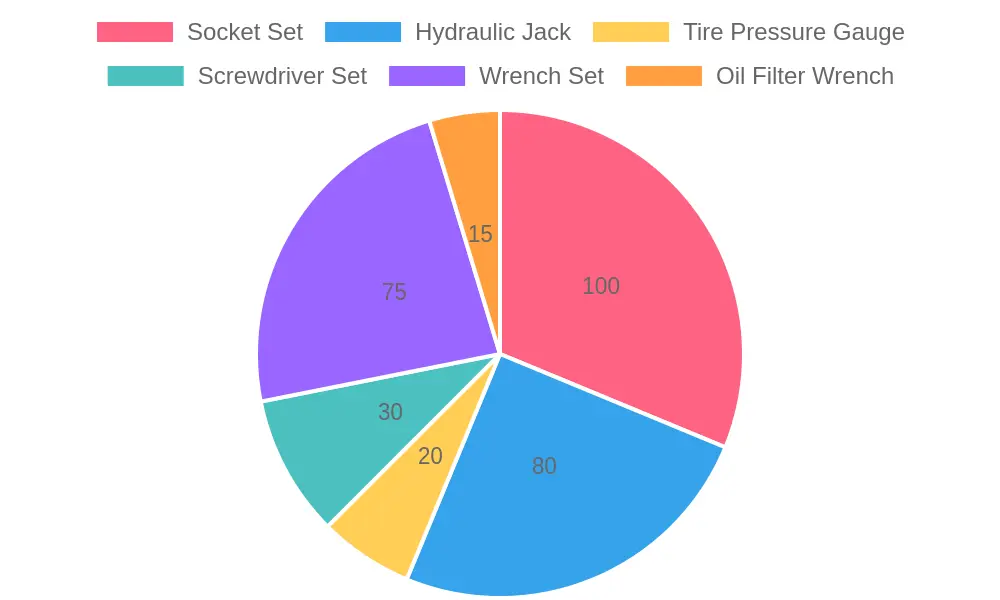
Understanding the costs associated with these tools can help you budget effectively as you set up your shop. If you’re interested in more detailed information on these tools or other essential needs for an auto repair shop, you can check out resources like JMC Automotive Equipment and GaragePlug.
Providing exceptional customer service is crucial for auto repair shops to build trust and retain clients. Here are key strategies that can significantly enhance customer satisfaction and foster long-lasting relationships with customers:
Effective Communication
-
Clarity is Key: Ensure that all communication with customers is clear and straightforward. Avoid technical jargon that may confuse clients. Instead, explain repairs in relatable terms.
-
Be Available: Recognize that customers may have questions or concerns at any time. Maintain multiple channels of communication-such as phone, email, and social media-allowing clients to reach you easily.
-
Timely Updates: Keep customers informed about their vehicle’s status. If repairs take longer than expected, proactively reach out to provide status updates. This transparency shows respect for their time and builds trust.
Regular Follow-Ups
Follow-ups are a critical aspect of retaining clients. Here are some practices to consider:
-
Post-Service Calls: After a service is completed, make a quick call or send a follow-up email to ask about their experience. This shows that you care about their satisfaction and are eager to improve.
-
Service Reminders: Implement a reminder system for upcoming services or maintenance needs based on their vehicle’s requirements. This can be through text messages or emails, which helps maintain engagement with their vehicle’s upkeep.
Satisfaction Surveys
Collecting feedback is essential for understanding your customers’ needs:
-
Conduct Surveys: Use online tools to create satisfaction surveys that customers can fill out after their service. This valuable feedback can guide improvements in service offerings. Additionally, consider incentivizing feedback through discounts for their next service.
-
Analyze Feedback: Regularly review the survey results to identify trends and areas for improvement. This proactive approach not only enhances service quality but also demonstrates to customers that their opinions are valued.
Setting a Friendly Atmosphere
A welcoming environment can enhance customer satisfaction:
- Prepare Your Staff: Train your team on customer interaction skills, ensuring they’re friendly, approachable, and knowledgeable about services offered.
- Customer Experience: Consider the overall customer experience, from the moment they walk in to the time they leave. Small touches, like offering coffee or a comfortable waiting area, can greatly enhance the experience.
In conclusion, implementing effective communication strategies, maintaining regular follow-ups, and gathering feedback through satisfaction surveys will greatly enhance customer service for auto repair shops. These best practices not only build trust but also encourage repeat business and referrals. To delve deeper into common vehicle maintenance mistakes, learn more here.
By focusing on these areas, auto repair shops can create lasting relationships with their customers and thrive in a competitive market.
“Running an auto repair shop offers not just a way to earn a living but also the opportunity to truly connect with your community. Each vehicle we repair tells a story, and being able to help people solve their problems while maintaining that personal touch gives a sense of fulfillment like no other. The ongoing need for reliable services provides a competitive advantage-you’re always in demand.”
- Jane Doe, Owner of Classic Car Repairs
Benefits of Starting an Auto Repair Shop
Starting an auto repair shop can be an incredibly rewarding venture. Here are some key benefits to consider:
- Steady Demand: There is a continuous need for vehicle maintenance and repair services, making it a reliable business in various economic conditions.
- Customer Loyalty: By providing top-notch service, you can develop a loyal customer base that returns for future services.
- Variety of Services: You can offer a wide range of services, from routine maintenance to specialized repairs, attracting a broader clientele.
- Community Ties: Operating locally allows you to create strong, supportive relationships with your community, enhancing customer loyalty and trust.
Timeline for Starting an Auto Repair Shop
Starting an auto repair shop involves several key steps, each requiring careful planning and execution. Below is a timeline that outlines these steps from the initial planning stage to the grand opening day:
Project Timeline Duration
| Step | Duration |
|---|---|
| Market Research | 1 month |
| Business Plan Development | 2 months |
| Location Selection and Lease | 2 months |
| Licensing and Permits | 1 month |
| Shop Setup and Equipment Purchase | 3 months |
| Hiring Employees | 1 month |
| Marketing Strategies | 1 month |
| Grand Opening | 1 month |

Visual representation of the timeline for starting an auto repair shop
This chart serves as a valuable tool for aspiring auto repair shop owners, providing a structured approach to launching their business successfully. By adhering to this timeline, you can ensure that each phase is completed effectively, paving the way for a smooth opening day.
For more insights into the auto repair industry and tips for success, you might find the following resources helpful:
Starting an auto repair shop can be both challenging and rewarding. With careful planning and the right resources, you can set your business on the path to success.
Conclusion: Take the Leap Towards Your Auto Repair Shop
Starting your own auto repair shop can be both a fulfilling and lucrative venture. Throughout this article, we’ve explored the essential steps-from conducting thorough market research to drafting a comprehensive business plan. You’ve learned about the necessary licenses, equipment investments, and effective marketing strategies that are critical to setting up a successful shop. Hiring skilled mechanics who share your values and vision is essential, as customer satisfaction hinges largely on the quality of repairs and services provided.
Now that you have a roadmap, it’s time to take action. Don’t be daunted by the challenges you might face. Every great journey begins with a single step, and you have everything you need to get started. Consider visiting our blog to explore more tips on common engine maintenance mistakes or master your engine core car maintenance skills as you build your knowledge.
Ready to elevate your ride? At Summit Fairings, we support aspiring auto repair entrepreneurs like you. By choosing high-quality motorcycle fairings and components, you can ensure that your repair shop stands out when it comes to quality and customer service. Let’s take that first step together toward building the auto repair shop of your dreams!