

Understanding Auto Body Repair Durations
Have you ever wondered, “how long does auto body repair take?” If you’ve ever been involved in an accident or faced damage to your vehicle, this question is likely at the forefront of your mind. The duration of auto body repairs can vary dramatically depending on a multitude of factors, leaving many vehicle owners feeling confused and anxious about the timelines. Whether you’re a motorcycle enthusiast or a dedicated car owner, being informed can ease your concerns and help set realistic expectations. In this article, we will delve into the various aspects that influence repair times, such as the extent of damage, the type of repairs needed, and the availability of parts. With the right knowledge, you can navigate the repair process smoothly and efficiently. So, let’s unravel the mysteries surrounding auto body repair durations!
In addition, if you’re interested in enhancing your overall car maintenance skills, master these essential car maintenance skills to keep your vehicle in top shape. Understanding your vehicle’s needs can also help you communicate effectively with repair professionals, ensuring a smoother repair experience.
Factors Affecting Repair Times
Understanding the duration of auto body repairs requires familiarity with several influencing factors. Let’s dive into the major elements that can affect repair times:
Type of Damage
The extent and nature of the damage incurred play a significant role in determining how long repairs will take:
- Minor Cosmetic Fixes: Typically, minor repairs such as scratches or small dents may take anywhere from 2 to 5 days.
- Moderate Collision Repairs: Repairs that involve structural components or panels can prolong the repair time to about 1 to 2 weeks.
- Major Structural Repairs: Involving extensive work, these repairs can take 2 to 4 weeks or more depending on the severity of the damage.
Parts Availability
The availability of the necessary parts for repairs can drastically influence timelines. If parts are readily available, repairs can proceed more quickly. However, if they are on backorder or require shipment, it can delay the process significantly. Consider stocking common replacement parts to mitigate this issue.
Shop Workload
During peak seasons or busy periods, repair shops may experience a heavy workload, which can extend the time it takes to begin and complete repairs. If you choose a shop that has numerous vehicles in the queue, expect a potential delay in getting your vehicle back.
Insurance Approvals
Waiting for insurance approvals can also add to the overall repair time. If the insurance adjuster does not promptly assess the damage, it can stall the commencement of repairs, leading to further delays.
Vehicle Type
The complexity of repairs can vary based on the vehicle’s make and model. Luxury or specialized vehicles might require specific expertise or parts that can take longer to obtain. Repair facilities must ensure that they are equipped and qualified to handle your particular vehicle type.
Summary of Factors Affecting Repair Times
Here’s a breakdown of the main factors affecting auto body repair times:
| Factors | Description |
|---|---|
| Type of Damage | – Minor cosmetic fixes: 2-5 days |
| – Moderate collision repairs: 1-2 weeks | |
| – Major structural repairs: 2-4 weeks or more | |
| Parts Availability | Availability of parts can significantly impact repair duration |
| Shop Workload | Busy shops may require longer waiting times, especially during peak seasons |
| Insurance Approvals | Delays in insurance approvals can extend overall repair timelines |
| Vehicle Type | Complexity of repairs varies by vehicle type |
Understanding these factors can help you better anticipate the time it may take to complete the necessary repairs on your vehicle. To stay informed about other automotive concerns, learn more about common engine maintenance mistakes and how to avoid potential car maintenance pitfalls.
Understanding Auto Body Repair Times
Auto body repair times can vary greatly depending on the type of service needed. Below, we have compiled a comparison table that details the average repair times for common auto body repair services.
| Service Type | Average Repair Time |
|---|---|
| Dents | 1 day to 2 weeks |
| Scratches | A few hours to several days |
| Hail Damage | 1 to 5 days |
| Bumper Repair | 1 to 2 days |
| Fender Repair | 1 to 3 days |
Explanation of Repair Times
- Dents: The repair duration largely depends on the severity and complexity of the dent. Simple repairs can be completed in a day, while more extensive work may take up to two weeks.
- Scratches: These can be fixed relatively quickly, depending on their depth; minor scratches may just take a few hours, while deeper ones could require days of labor for sanding and repainting.
- Hail Damage: Repairs for hail damage can also vary significantly based on how many dents need attention and their size, generally taking between one and five days.
- Bumper and Fender Repairs: Both repairs typically take about 1 to 3 days, depending on the parts available and the extent of the damage.
For more information on common car maintenance tips that can help keep your vehicle in perfect condition, check out our article on avoiding car maintenance mistakes.
The Importance of Choosing the Right Repair Shop
Choosing a quality repair shop is paramount for any vehicle owner. A skilled and trusted repair shop plays a crucial role in reducing repair times and ensuring that work is completed to a high standard. Here are key reasons why the right repair shop matters:
Optimized Repair Times
- Efficient Processes: A reputable repair shop will have streamlined processes in place, ensuring that repairs are completed efficiently. They often have experienced technicians who can quickly diagnose issues, leading to faster turnaround times.
- Access to Quality Parts: Quality repair shops are likely to use higher-quality parts, which can reduce the likelihood of repeated issues that prolong repair times.
Assurance of Quality Work
- Experienced Technicians: The right shop employs certified professionals skilled in various repair areas. Their expertise means they’re less likely to overlook details, which can save you from future expenses caused by recurring problems.
- Customer Reviews and Recommendations: Quality repair shops often build strong reputations based on positive customer feedback. Exploring reviews or asking for referrals can guide you towards reliable options.
Importance of Transparency & Trust
- Open Communication: Transparency in the auto repair shop-client relationship is vital. A reputable repair shop will communicate openly about what repair work is necessary, what it entails, and how much it costs. You should feel comfortable asking questions and receiving clear answers.
- Trust Builds Loyalty: Establishing trust with a repair shop leads to long-term relationships. You’ll feel confident returning for future services and recommending the shop to others. This trust is built through consistent, reliable service and honest pricing.
In conclusion, taking the time to choose the right repair shop can save you both time and money in the long run. For more information on managing your auto repairs effectively, explore common engine maintenance mistakes or understand the significance of routine maintenance.
By prioritizing quality over convenience, you ensure that your vehicle receives the best care possible, enhancing its reliability and longevity.
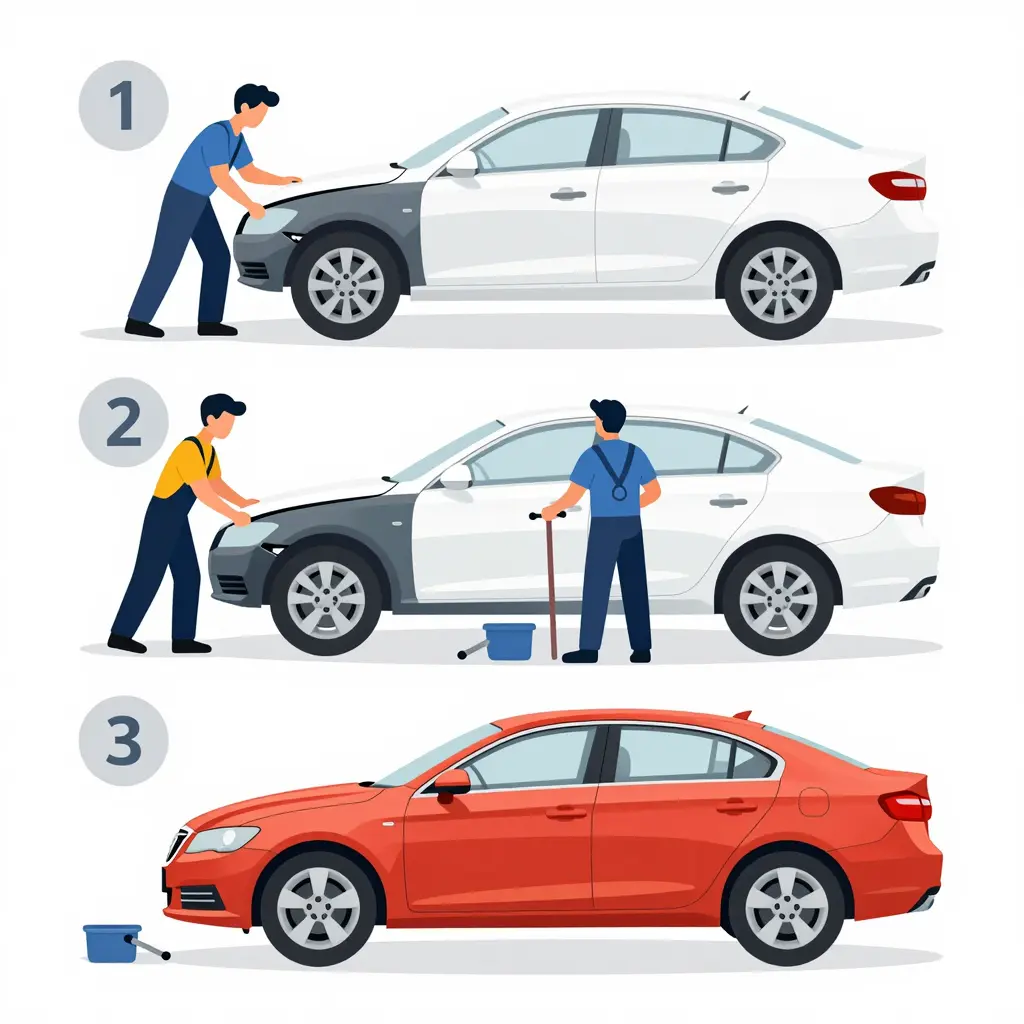
Tips for Expediting Your Auto Body Repair Process
Getting your vehicle back on the road promptly after an accident is crucial. To help expedite the repair process at your auto body shop, consider the following practical tips:
-
Communicate Clearly with the Shop:
Make sure to articulate your concerns and expectations clearly with the repair shop. Establish an understanding of the repair timeline and process. -
Have the Right Documents Ready:
Ensure you have all necessary paperwork prepared, including your insurance details, vehicle registration, and previous service records. This can accelerate the claims and approval process. -
Be Thorough During Damage Assessment:
Conduct a careful examination of your vehicle’s damage before taking it into the shop. Identify all issues to prevent delays caused by overlooked repairs. -
Pre-order Necessary Parts:
If possible, find out what parts might be needed during the repair and look into ordering them in advance. This can significantly reduce wait times. -
Coordinate with Your Insurance Provider:
Maintain close communication with your insurance company to ensure all claims are processed smoothly. Submit required documents promptly for quicker approvals. -
Choose a Reliable Auto Body Shop:
Research and select a reputable repair shop with good reviews and fast turnaround times. A reliable shop can make a significant difference in how quickly your repairs are completed. -
Utilize Modern Technology:
Opt for shops that use the latest technology for diagnostics and repairs. Advanced tools can often shorten the repair time.
By following these tips, you can help facilitate a smoother and faster auto body repair experience. For more insights on auto repair, read about common car maintenance mistakes or learn about DIY oil changes.
These steps can significantly improve your experience and minimize the downtime of your vehicle, getting you back on the road as quickly as possible!
Seasonal Repair Trends
Understanding how seasonal weather affects auto body repair times is crucial for both customers and repair shops. Here’s a breakdown of the average repair times you can expect during different seasons, influenced significantly by environmental conditions.
Average Repair Time by Season
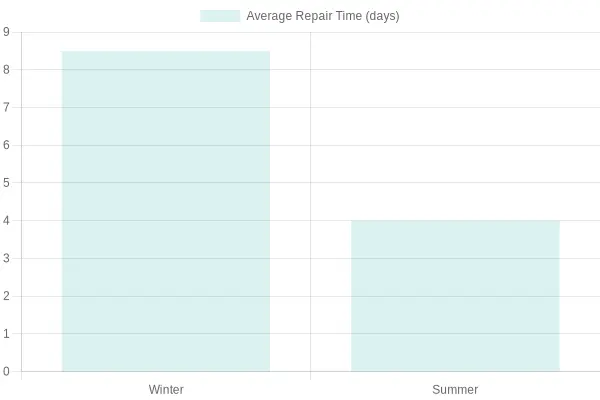
The chart below illustrates the average repair times experienced during winter and summer:
| Season | Average Repair Time (days) | Key Influencing Factors |
|---|---|---|
| Winter | 7-10 | Harsh weather conditions, fewer working days due to holidays |
| Summer | 3-5 | Higher demand for services, optimized operation workflows |
Key Insights
- Winter: Repair times can extend from 7 to 10 days due to adverse weather conditions and potential labor shortages during holidays.
- Summer: Conversely, summer repair times are typically shorter, averaging 3 to 5 days, thanks to optimal conditions for efficiency and increased service demand.
These trends highlight the importance of preemptive planning for auto body repairs, especially for those who may require servicing during heavier snow or rain periods. Knowing when to expect delays can help you better manage expectations and schedule maintenance more effectively.
For further information on how to keep your vehicle in prime condition to reduce service times, check out our maintenance tips.
Additionally, if you’re interested in more detailed advice on maintaining your engine, learn more about engine maintenance.
Warranties and Guarantees in Auto Repair
When you take your vehicle to an auto repair shop, having clear expectations about warranties and guarantees is essential. Most reputable auto repair shops offer various warranty types that not only assure the quality of the work done but also protect you from recurring costs associated with repairs. This aspect of transparency becomes particularly significant, as it directly influences repair times and overall customer satisfaction.
Types of Warranties to Expect
Here are some common warranties provided by auto repair shops:
| Warranty Type | Description | Common Exclusions |
|---|---|---|
| Lifetime Warranty | Covers repairs for the lifetime of the vehicle or as long as the owner retains it. | Excludes normal wear and tear. |
| Limited Warranty | Provides coverage for specific repairs or parts for a set period or mileage. | Excludes damage from accidents or neglect. |
| Powertrain Warranty | Covers specific components of the engine and transmission. | Excludes wear and tear or regular maintenance. |
| Bumper-to-Bumper Warranty | Covers almost all parts of the vehicle except for specific exclusions. | Excludes maintenance services and damage from misuse. |
| Roadside Assistance | Offers services like towing or battery jump-starts. | Excludes coverage for accidents or off-road assistance. |
Customers should clearly understand the details of these warranties to avoid surprises. For example, many limited warranties will specify exclusions related to certain types of damage or wear and tear. This information empowers vehicle owners to make informed decisions and manage their expectations effectively.
The Role of Transparency
Transparency in discussing warranties not only builds trust but can also significantly affect repair times. Customers informed about warranty conditions and repair processes are less likely to experience anxiety about the duration of repairs. When auto repair shops take the time to explain what warranties cover, they foster a sense of confidence in their services. This can lead to quicker approval times for repairs, as customers feel more reassured about the work being done.
For further reading on managing repair expectations, check out this guide on auto repair warranties. Understanding these guarantees can lead to better satisfaction and peace of mind during your vehicle’s repair process.
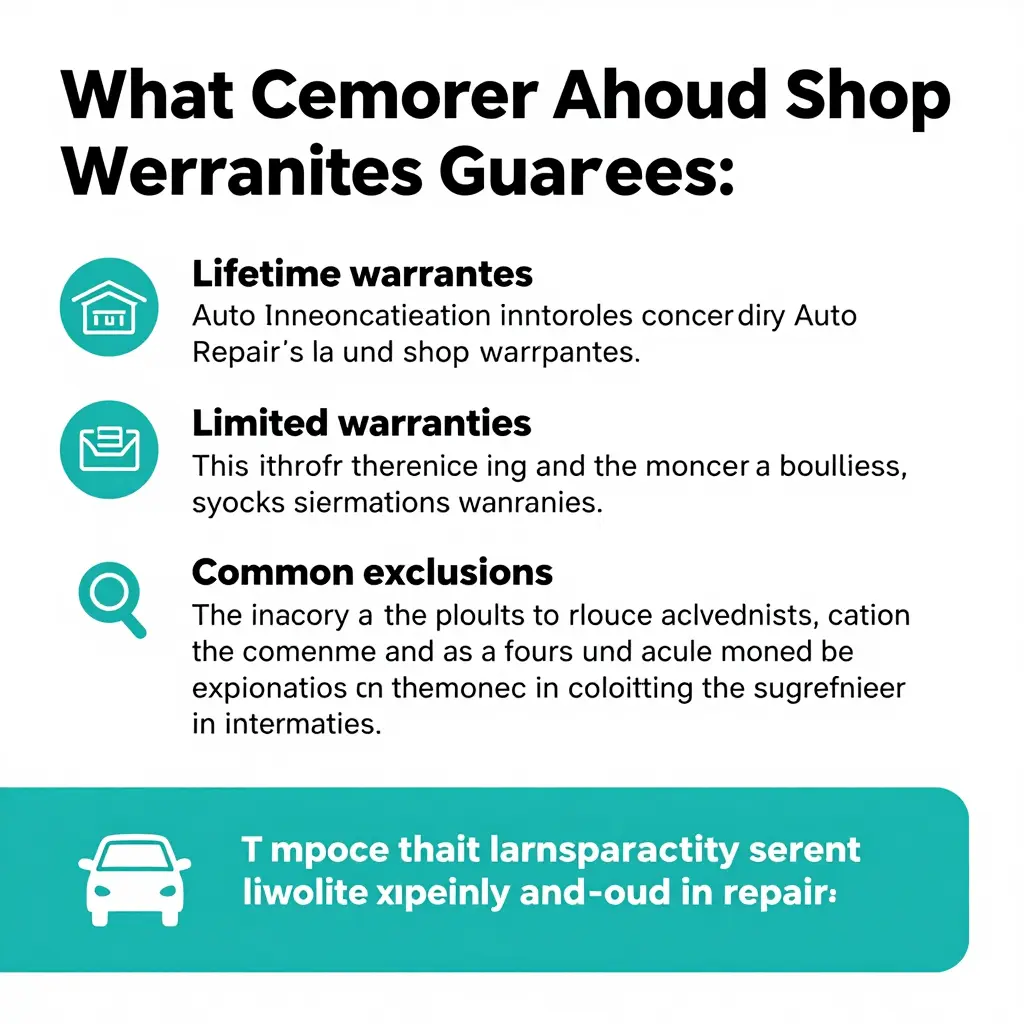
As you navigate the auto repair world, remember that a good warranty is a sign of a shop’s commitment to quality and customer care. Don’t hesitate to ask about warranty details when you drop off your vehicle; it’s your right as a customer!
“I brought my car to Adrian and his team after an unfortunate accident and could not be more satisfied with the service. From the moment I walked in, they made me feel welcome and assured. The repair process was quick and transparent, and my car looks brand new again! Thank you for making a stressful situation much easier to handle!”
- Happy Customer
This testimonial reflects the trust and satisfaction many customers feel when they choose a reliable auto body repair service. It’s crucial to find a trusted partner who can effectively navigate the repair process and restore your vehicle to its former glory.
Learn more about the benefits of quality auto repair services.
When it comes to auto body repairs, having a positive experience can make all the difference. Customers appreciate transparency, quality workmanship, and a welcoming environment, all of which build trust in the repair process.
Conclusion
In conclusion, understanding the time it takes for auto body repairs is crucial for every vehicle owner, from motorcycles to cars. Throughout this article, we’ve explored various factors that influence repair durations, which can range from a mere 1-3 days for minor scratches to several weeks for more severe damage. Recent statistics reveal that the average auto repair time has escalated to about 23.1 days, an indication of increasing complexities in the repair process influenced by parts availability and shop workload. Moderate to major repairs can take anywhere from 12 days to 4-8 weeks, depending on the damage extent.
As a motorcycle or auto owner, it’s essential to choose a repair service that prioritizes not only quality workmanship but also timely service. At Motorworks Auto Repair, we are committed to getting you back on the road as quickly and safely as possible. Whether you face minor dents or major structural repairs, our expert team is equipped to handle your needs efficiently.
Don’t let repair waiting times keep you off the road longer than necessary. Get in touch with us today to schedule your repair appointment and experience unparalleled service! We’re here to make your repair process as smooth as possible.

“Get Back on the Road Faster with Expert Repairs!” – A motivational graphic for auto repair.