
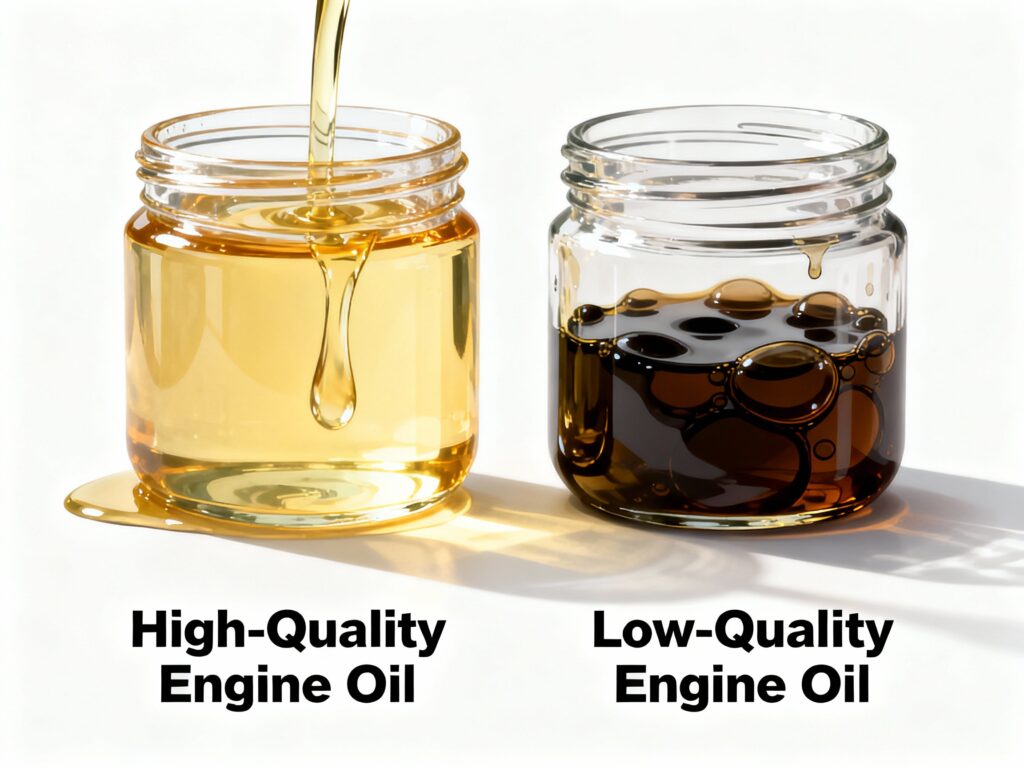
When it comes to car ownership, the choices you make can have a significant impact on your vehicle’s performance and lifespan. One of the most critical components to pay attention to is engine oil.
High-quality engine oil not only lubricates and protects the engine but also enhances efficiency and prolongs its life. Unfortunately, many car owners overlook this essential maintenance factor, leading to a slew of potentially costly Car Maintenance Mistakes.
Ignoring routine oil changes or opting for cheaper oil can result in engine wear, decreased performance, and exorbitant repair bills down the line. Understanding the oil change frequency is vital. In a world where every penny saved might feel like a victory, the reality is that these shortcuts often lead to more significant expenses.
Understanding the importance of quality engine oil is just the tip of the iceberg in avoiding common pitfalls that plague many drivers. This article will delve deeper into the critical role of engine oil and other frequent maintenance errors that could be keeping your mechanic rich while your wallet suffers.
The Consequences of Ignoring Quality Engine Oil
Neglecting the quality of engine oil can lead to dire consequences that often catch car owners unaware. One of the most significant risks is the direct correlation between poor oil maintenance and increased repair costs. For example, a routine oil change costs between $35 to $75; however, ignoring this crucial maintenance can lead to engine sludge buildup, reduced oil viscosity, and ultimately catastrophic engine failure. In fact, complete engine replacement due to oil neglect can range from $4,000 to $8,000, as highlighted by sources such as Consumer Reports.
The long-term impact of using low-quality or old engine oil manifests in increased wear on engine components. According to an anecdote shared by automotive experts, one Toyota Camry driver ignored oil changes for 30,000 miles, resulting in seized pistons and repair costs amounting to $5,500. This contrasts starkly with the minimal expense of regular oil changes, which can represent just 1% to 2% of total potential repair costs.
Furthermore, the dangers of using cheap motor oil cannot be overstated. Low-quality oils break down under heat more quickly, causing an increase in friction and wear on engine parts. MotorTrend outlines cases where vehicles using budget oil required significant repairs much sooner than those using premium synthetic oil. For instance, one fleet vehicle required an engine rebuild by 60,000 miles when using budget oil, while quality oil maintenance could extend engine life to over 150,000 miles.
A worrying trend among drivers is the delay in performing oil changes, with AAA research revealing that about 35% of drivers go beyond manufacturer recommendations. This negligence has been linked to 5% of all engine failures, leading to repair costs in excess of $3,800 for major engine work. One owner of a Honda Accord, who tried to save $150 on oil changes over two years, faced a staggering $4,200 repair bill due to damaged crankshaft bearings.
In conclusion, the consequences of neglecting engine oil quality are not just financially significant but can also compromise your vehicle’s reliability and safety.
It serves as a cautionary tale against complacency in maintenance routines; the savings made today can quickly turn into overwhelming expenses tomorrow. Ensure your engine oil is of high quality and adhere to regular change schedules to safeguard your engine and wallet.
How Quality Oil Enhances Engine Performance and Longevity
Choosing high-quality engine oil is one of the most straightforward yet impactful decisions a car owner can make. Quality oil is not merely a liquid that lubricates engine components; it is a vital substance that protects your engine, ensures optimal performance, and ultimately prolongs its lifespan.
According to a study by SAE International, using premium synthetic oil can reduce engine wear by up to 70% compared to conventional oils. The research shows that engines using high-quality oils maintained about 95% of their original performance even after clocking 150,000 miles, as opposed to just 82% for those reliant on standard oils. This statistic is compelling evidence that investing in better quality oil results in dramatically better performance and durability for your engine.
One of the key benefits of quality oil is its ability to reduce friction and enhance fuel efficiency, leading to a very positive impact on engine performance enhancement. Research presented in the American Petroleum Institute highlights that proper oil maintenance with high-quality lubricants can extend engine life by an impressive 50,000 to 100,000 miles.
Gone are the days where you have to dread costly repairs caused by neglect.
Understanding the significant costs associated with engine failures due to poor lubrication—a stunning 50% of such failures—should inspire car owners to prioritize oil quality.
Furthermore, one of the most significant advantages of premium engine oil is its ability to prevent the buildup of sludge and debris that can inhibit performance. For instance, high-quality synthetic oils perform better under extreme temperatures, providing a thermal stability that conventional oils cannot match. A report from Consumer Reports revealed that vehicles using synthetic oil demonstrated a 15% improvement in fuel economy and experienced 30% better cold-start performance, crucial for engine longevity.
Imagine the comfort of knowing that the heart of your vehicle—the engine—is safeguarded by high-quality oil, allowing it to reach its potential without the threat of premature wear.
As driver habits evolve, understanding the emotional connection to one’s vehicle is more important than ever; every car owner should see their engine as an invaluable partner in journeying through life.
As automotive experts suggest, investing in quality oil not only enhances engine performance but also protects your investment in your vehicle. Statistics indicate that only 2% of total potential repair costs come from regular oil changes, while neglect can lead to repair bills that range up to $14,800.
No one wants to face a blown engine or a roadside breakdown when a little care in choosing quality oil could make all the difference.
It is not just about saving money; it is about ensuring peace of mind and the joy of a reliable driving experience for years to come.
The Consequences of Ignoring Quality Engine Oil
Neglecting the quality of engine oil can lead to dire consequences that often catch car owners unaware. One of the most significant risks is the direct correlation between poor oil maintenance and increased repair costs. For example, a routine oil change costs between $35 to $75; however, ignoring this crucial maintenance can lead to engine sludge buildup, reduced oil viscosity, and ultimately catastrophic engine failure. In fact, complete engine replacement due to oil neglect can range from $4,000 to $8,000, as highlighted by sources such as Consumer Reports.
The long-term impact of using low-quality or old engine oil manifests in increased wear on engine components. According to an anecdote shared by automotive experts, one Toyota Camry driver ignored oil changes for 30,000 miles, resulting in seized pistons and repair costs amounting to $5,500. This contrasts starkly with the minimal expense of regular oil changes, which can represent just 1% to 2% of total potential repair costs.
Furthermore, the dangers of using cheap motor oil cannot be overstated. Low-quality oils break down under heat more quickly, causing an increase in friction and wear on engine parts. MotorTrend outlines cases where vehicles using budget oil required significant repairs much sooner than those using premium synthetic oil. For instance, one fleet vehicle required an engine rebuild by 60,000 miles when using budget oil, while quality oil maintenance could extend engine life to over 150,000 miles.
A worrying trend among drivers is the delay in performing oil changes, with AAA research revealing that about 35% of drivers go beyond manufacturer recommendations. This negligence has been linked to 5% of all engine failures, leading to repair costs in excess of $3,800 for major engine work. One owner of a Honda Accord, who tried to save $150 on oil changes over two years, faced a staggering $4,200 repair bill due to damaged crankshaft bearings.
In conclusion, the consequences of neglecting engine oil quality are not just financially significant but can also compromise your vehicle’s reliability and safety. It serves as a cautionary tale against complacency in maintenance routines; the savings made today can quickly turn into overwhelming expenses tomorrow. Ensure your engine oil is of high quality and adhere to regular change schedules to safeguard your engine and wallet.
| Maintenance Approach | Average Cost of Maintenance | Potential Repair Costs | Total Cost if Maintenance is Ignored |
|---|---|---|---|
| Regular Maintenance (e.g., oil changes) | $100 or less per oil change | $4,000 – $8,000 (engine replacement) | $4,000 – $8,100 (long-term) |
| Ignored Maintenance (e.g., no oil changes) | N/A | $5,500 (seized engine) | $5,500 – $14,800 (long-term) |
The following table outlines the costs associated with various maintenance approaches, highlighting potential long-term savings when routine care is prioritized versus the risks and costs associated with neglecting maintenance.
How Quality Oil Enhances Engine Performance and Longevity
Choosing high-quality engine oil is one of the most straightforward yet impactful decisions a car owner can make. Quality oil is not merely a liquid that lubricates engine components; it is a vital substance that protects your engine, ensures optimal performance, and ultimately prolongs its lifespan.
According to a study by SAE International, using premium synthetic oil can reduce engine wear by up to 70% compared to conventional oils. The research shows that engines using high-quality oils maintained about 95% of their original performance even after clocking 150,000 miles, as opposed to just 82% for those reliant on standard oils. This statistic is compelling evidence that investing in better quality oil results in dramatically better performance and durability for your engine.
One of the key benefits of quality oil is its ability to reduce friction and enhance fuel efficiency. Research presented in the American Petroleum Institute highlights that proper oil maintenance with high-quality lubricants can extend engine life by an impressive 50,000 to 100,000 miles. Gone are the days where you have to dread costly repairs caused by neglect. Understanding the significant costs associated with engine failures due to poor lubrication—a stunning 50% of such failures—should inspire car owners to prioritize oil quality.
Furthermore, one of the most significant advantages of premium engine oil is its ability to prevent the buildup of sludge and debris that can inhibit performance. For instance, high-quality synthetic oils perform better under extreme temperatures, providing a thermal stability that conventional oils cannot match. A report from Consumer Reports revealed that vehicles using synthetic oil demonstrated a 15% improvement in fuel economy and experienced 30% better cold-start performance, crucial for engine longevity.
Imagine the comfort of knowing that the heart of your vehicle—the engine—is safeguarded by high-quality oil, allowing it to reach its potential without the threat of premature wear. As driver habits evolve, understanding the emotional connection to one’s vehicle is more important than ever; every car owner should see their engine as an invaluable partner in journeying through life.
As automotive experts suggest, investing in quality oil not only enhances engine performance but also protects your investment in your vehicle. Statistics indicate that only 2% of total potential repair costs come from regular oil changes, while neglect can lead to repair bills that range up to $14,800. No one wants to face a blown engine or a roadside breakdown when a little care in choosing quality oil could make all the difference. It is not just about saving money; it is about ensuring peace of mind and the joy of a reliable driving experience for years to come.

Choosing the Right Engine Oil
Selecting the right engine oil for your vehicle can be a daunting task, but understanding the various types available and their specific purposes can simplify the process. Here’s your practical guide to make an informed decision when it comes to choosing your engine oil:
Types of Engine Oil
-
Conventional Oil
- Derived from crude oil and is the most common type.
- Offers basic lubrication needs for older vehicles or those with simple engine designs.
- Generally less expensive but may require more frequent changes.
-
Synthetic Oil
- Man-made oils engineered to provide enhanced performance and protection.
- More resistant to breakdown and superior at high temperatures.
- Ideal for high-performance and modern engines, but generally costs more.
-
Synthetic Blend Oil
- A mix of conventional and synthetic oils, providing some benefits of both.
- Balances cost and performance, making it a good option for everyday vehicles.
-
High Mileage Oil
- Specifically formulated for vehicles with over 75,000 miles.
- Contains additives that help reduce leaks, burns, and oil consumption in aging engines.
-
Diesel Oil
- Designed for diesel engines and contains special additives to manage soot and wear.
- Not suitable for gasoline engines.
What to Consider When Choosing Engine Oil
- Viscosity Rating: Always check the oil’s viscosity rating, which indicates how thick or thin the oil is. Common ratings include 5W-30 or 10W-40, where the first number relates to cold temperatures and the second number to high temperatures.
- Manufacturer Recommendations: Always refer to your vehicle’s owner’s manual for the manufacturer’s recommendations regarding the type and viscosity of engine oil.
- Driving Conditions: Consider your driving habits. Frequent short trips, towing heavy loads, and high-temperature environments might require higher-quality oil.
- Age of Engine: Older engines might benefit from high mileage oil, while newer engines may perform better with synthetic oil.
- Oil Certifications: Look for certifications such as API (American Petroleum Institute) or ILSAC (International Lubricant Standardization and Approval Committee), which ensure the oil meets industry standards.
With this guide, you should feel more confident in choosing the right engine oil for your vehicle, contributing to better performance and longevity.
Choosing the Right Engine Oil
Selecting the right engine oil for your vehicle can be a daunting task, but understanding the various types available and their specific purposes can simplify the process. Here’s your practical guide to make an informed decision when it comes to choosing your engine oil:
Types of Engine Oil
-
Conventional Oil
- Derived from crude oil.
- Offers basic lubrication for older vehicles.
- Less expensive but may require more frequent changes.
-
Synthetic Oil
- Man-made oils for enhanced performance and protection.
- More resistant to breakdown at high temperatures.
- Ideal for high-performance and modern engines.
-
Synthetic Blend Oil
- A mix of conventional and synthetic oils.
- Balances cost and performance for everyday vehicles.
-
High Mileage Oil
- Formulated for vehicles with over 75,000 miles.
- Helps reduce leaks and oil consumption in aging engines.
-
Diesel Oil
- Designed for diesel engines to manage soot and wear.
- Not suitable for gasoline engines.
What to Consider When Choosing Engine Oil
- Viscosity Rating: Check the oil’s viscosity rating. Common ratings include 5W-30 or 10W-40.
- Manufacturer Recommendations: Always refer to your vehicle’s manual for recommendations regarding oil type and viscosity.
- Driving Conditions: Consider driving habits. Frequent short trips might require higher-quality oil.
- Age of Engine: Older engines may benefit from high mileage oil.
- Oil Certifications: Look for certifications like API or ILSAC to ensure the oil meets industry standards.
With this guide, you should feel more confident in choosing the right engine oil for your vehicle, contributing to better performance and longevity.
User Adoption Data on Regular Maintenance Practices
Regular maintenance is essential for optimal vehicle performance, yet studies reveal concerning trends in car owners’ adherence to routine service recommendations, particularly regarding engine oil changes. The 2023 AAA Car Maintenance Study highlights that 35% of U.S. drivers delay or skip recommended services, with oil changes frequently pushed aside. This delay is particularly troubling as using the wrong engine oil can lead to increased engine wear, with some studies noting potential wear increases of up to 50% in certain situations.
Moreover, the Car Care Council conducted a survey revealing that 84% of vehicles inspected at community car care events needed some form of maintenance or repair. Notably, issues such as low or dirty engine oil were found in 19% of vehicles, and 6% had incorrect oil levels. This research underscores the critical implications of regular maintenance, as neglecting oil changes can result in engine damage, diminished fuel efficiency, and significant repair costs.
An analysis from the Automotive Aftermarket Suppliers Association indicates that while approximately 60% of the market has adopted synthetic oils, nearly 25% of car owners still utilize incorrect oil types, often due to misinformation. This misapplication correlates to a 30% increased risk of engine sludge formation. Choosing the right engine oil and adhering to manufacturer recommendations are pivotal actions in avoiding maintenance mistakes that can lead to costly repairs and reduced vehicle longevity.
Furthermore, a recent NAPA Auto Parts survey found that 40% of DIY car owners had used the wrong engine oil at least once, primarily due to confusion over oil specifications. This common error is associated with a 22% higher risk of engine overheating and failure.
In conclusion, the data illustrates a pronounced need for heightened awareness and education among car owners about the significance of regular maintenance and the selection of appropriate engine oil. By prioritizing these practices, drivers can avoid expensive repairs and ensure their vehicles operate efficiently for years to come.
In conclusion, taking the time to choose quality engine oil is more than just a maintenance task; it is a significant reflection of how much you care for your vehicle. Every oil change is an opportunity to protect the heart of your vehicle – its engine – and to show that you value its performance and longevity. By investing in the right oil, you are not only ensuring its efficiency but also nurturing a bond that enhances your driving experience.
Think of the countless journeys your car has been part of, each mile a testament to the reliability you’ve cultivated through good maintenance habits. Remember, a well-maintained vehicle is not merely a possession; it becomes a trusted companion that serves you faithfully for years. When you prioritize the quality of engine oil, you embrace not just the mechanics of care, but also a deeper relationship built on trust and dependability. This effort brings you peace of mind knowing that you can drive safely and confidently, no matter where the road takes you.
So, take proactive steps today; educate yourself, choose wisely, and reap the emotional and financial rewards of a well-maintained engine. Your vehicle deserves the best, after all, and in caring for it, you care for yourself and your journeys ahead.
Expert Insights on Common Maintenance Mistakes and the Role of Quality Oil
In the realm of automotive care, expert opinions can shed light on critical maintenance choices that often lead to costly repairs. Mike Cross, a lead engineer at Car and Driver, warns,
“Using subpar engine oil can lead to accelerated engine wear, reduced fuel efficiency, and even catastrophic engine failure. Quality oil isn’t just about lubrication; it’s about heat dissipation and keeping critical components clean.”
This sentiment echoes widely among automotive experts who stress the importance of using quality oil.
AAA’s certified master technician, John Nielsen, emphasizes,
“We see countless engines damaged by improper oil maintenance. Using the wrong viscosity or low-quality oil can void warranties and lead to expensive repairs. Quality engine oil maintains viscosity under extreme temperatures, reduces friction, and prevents corrosion—critical for modern engines with turbochargers and direct injection.”
Furthermore, Motor Trend’s senior technical editor, Frank Markus, cautions,
“Many DIYers focus on the oil change interval but overlook the quality of the oil itself. Cheap oils often lack the necessary additives to prevent sludge formation and protect against high-temperature breakdown. Investing in high-quality synthetic oil is one of the cheapest forms of insurance for your engine.”
Consumer-focused studies also highlight the importance of quality in oil selection. Research by Consumer Reports shows that vehicles using synthetic oil and adhering to proper change intervals had significantly fewer engine-related problems after 100,000 miles. Additionally, a study by SAE International indicates that lower-quality oils can reduce engine life by up to 30% compared to high-quality synthetic oils.
This collection of expert advice reinforces a crucial truth: skimping on engine oil quality can lead to dire financial consequences. A common theme resonates through these insights—investing a little more upfront in quality oil can save car owners from substantial repair costs in the future. It is a simple yet vital strategy to ensure your vehicle runs efficiently and reliably for many years to come.
The Role of DIY Repairs in Maintaining Engine Oil Quality
For many vehicle owners, engaging in DIY maintenance is not only a cost-saving strategy but also an empowering way to stay in tune with their vehicle’s needs. Engine oil quality plays a crucial role in the performance and longevity of an engine, and there are several DIY practices that can enhance your engine oil upkeep while avoiding the pitfalls of typical car maintenance mistakes.
Oil Changes Made Easy
One of the most fundamental DIY tasks is performing oil changes. Regularly changing engine oil is essential for maintaining its cleanliness and effectiveness. Here are some tips for carrying out an oil change:
- Choose the Right Oil: Always refer to your vehicle’s owner manual for recommendations on oil type and viscosity. Understanding your vehicle’s specific requirements can help you avoid the costly mistake of using the wrong oil.
- Proper Disposal: When changing your oil, always dispose of the old oil properly to prevent environmental contamination. Many auto parts stores or local garages offer oil recycling services.
- Use Quality Filters: Don’t overlook the oil filter. Always choose high-quality filters that meet manufacturer specifications to ensure effective filtration and maintain oil cleanliness.
Check and Top Up Regularly
In addition to periodic oil changes, routinely checking oil levels and quality can help sustain engine performance. Here’s how:
- Monitor Oil Levels: Check your oil levels at least once a month. This will help you catch potential leaks early on, which could lead to low oil levels and increased wear.
- Check for Clarity: When you inspect your oil, it should be clear and smooth. If it appears gritty or dark, it may be time for a change, as this can indicate contamination or breakdown.
Benefits of Regular DIY Maintenance
Engaging in DIY repairs not only ensures that your engine oil quality is maintained but also enhances your overall car maintenance routine. Here are some benefits:
- Cost Savings: Performing your own oil changes can save you significant amounts compared to paying for labor at a service shop. A simple DIY oil change can cost as little as $30, compared to a $100 service fee at a garage.
- Awareness and Understanding: Handling your vehicle’s maintenance yourself fosters a deeper understanding of your car’s inner workings, enabling you to identify issues before they become costly repairs.
- Schedule Flexibility: You can perform maintenance on your own schedule, accommodating routine checks based on your driving habits and environmental conditions, which helps maintain engine efficiency and health.
In conclusion, DIY repairs play a vital role in maintaining engine oil quality. By understanding the significance of appropriate oil usage and adhering to proper maintenance practices, car owners can avoid common costly mistakes. Regular attention to engine oil cleanliness and quality will ensure that your vehicle runs smoothly for years to come, safeguarding your investment and providing peace of mind on the road.