
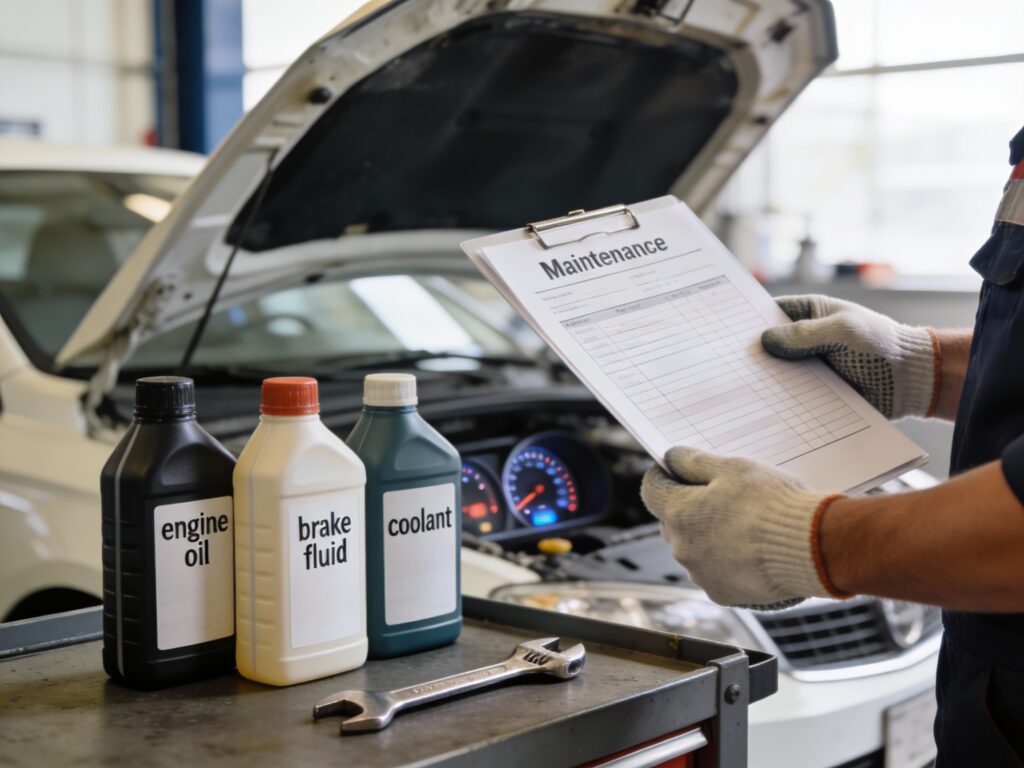
Concerned your car could stall on the highway or spike your repair bill out of nowhere? You’re not alone. The fear of unreliability and huge expenses is real, and it can push drivers toward quick fixes that backfire.
Here’s the insight: routine maintenance acts as an anchor for a vehicle built to last. When you stay on top of small habits, your car remains reliable and less prone to unexpected breakdowns. The opposite is a slippery slope toward costlier repairs.
Real world costs highlight the value of consistency. A routine tire rotation and tire pressure monitoring system check prevent uneven wear and roadside trouble, while timely engine oil changes and brake pads replacement avert expensive failures. Keeping coolant topped and heeding check engine light warnings, and using OEM parts when needed, protects you from surprises that lead to major overhauls.
By the end you will learn which maintenance habits matter most, identify common Car Maintenance Mistakes, and understand the typical costs involved. You will see how a proactive maintenance package can save money and reduce stress by preventing surprises and optimizing service timing. You will also gain practical steps that blend DIY repairs with professional care and how to document maintenance history for safety recalls and technical service bulletins, keeping your vehicle’s record clean for future service.
In the next section we break down the insight behind these patterns and reveal practical ways to avoid Car Maintenance Mistakes. Let us explore why small habits fail and how to build a routine that protects your car and your wallet.
Routine maintenance is an investment in safety and reliability. It anchors a vehicle to last, aligning with the Car Maintenance Mistakes concept and the Routine Maintenance Packages pillar. Regular checks prevent small issues from becoming major problems and keep daily life on track.
Costs stay manageable when maintenance happens on schedule. A tire rotation costs between twenty and one hundred dollars and a tire pressure monitoring system check helps prevent uneven wear. Oil changes on time run around one hundred dollars or less. Yet ignoring maintenance can lead to thousands in repairs such as a transmission rebuild or engine replacement. Brake pads often have wear indicators signaling replacement before trouble. As one reader puts it, “Skipping maintenance feels like saving money, until your savings show up as a blown engine, ruined tires, or a roadside breakdown.”
Adopting a Routine Maintenance Packages approach means building a simple plan around engine oil, brake pads, coolant checks, tire rotation, and check engine light alerts. Keep maintenance records and heed safety recalls. A proactive package helps you avoid big repairs and stay ready for every journey. By choosing a Routine Maintenance Packages plan you align protection with value and turn small steps into lasting performance for peace of mind.
Common Routine Maintenance Tasks and Typical Costs
| Task | Frequency (approximate) | Typical Cost Range (USD) | Notes |
|---|---|---|---|
| Oil Change | Every 3,000 to 5,000 miles | $100 or less | This maintenance helps prevent reliability issues and ties into Car Maintenance Mistakes and relatedKeywords such as engine oil, tire rotation, brake pads, coolant, timing belt; maintenance costs are part of a proactive routine. |
| Tire Rotation | Every 6,000 to 8,000 miles | $20–$100 | Costs vary by vehicle and region; aligns with Car Maintenance Mistakes and relatedKeywords like tire rotation, engine oil, brake pads; part of a proactive routine. |
| Brake Inspection/Pad Check | At least annually or with service visits | Varies by vehicle and region | Keeps brakes in check; relates to brake pads and check engine light; part of proactive routine. |
| Coolant/Fluid Check | Every service visit or every 6 to 12 months | Varies by vehicle and region | Maintains cooling system and fluids; references coolant and fluids as relatedKeywords; proactive routine. |
| Belts/Timing Belt Check | Vehicle specific, typically every 60,000 to 100,000 miles | Varies by vehicle and region | Timing belt and serpentine belt checks; part of proactive maintenance. |
| Battery Check | Annually or during service visits | Varies by vehicle and region | Battery health; relates to OEM parts and maintenance records; proactive routine. |
Caption: This table ties into Car Maintenance Mistakes and relatedKeywords such as tire rotation engine oil brake pads coolant timing belt DIY repairs safety recalls and TSBs to reinforce SEO context and emphasize proactive maintenance costs.
Evidence
“Skipping maintenance feels like saving money, until your savings show up as a blown engine, ruined tires, or a roadside breakdown.”
“Ignoring recalls and TSBs is like refusing free insurance against problems your car is already known for.”
“Every modern car has a paper trail of known problems and fixes behind it, but a lot of owners never cash in on the free repairs.”
“Proactive maintenance turns predictable costs into manageable investments over the life of your vehicle.”
- Costs to keep maintenance on track show the value of prevention. A routine tire rotation is typically $20 to $100, and keeping tire rotation aligned with tire pressure monitoring system checks helps prevent uneven wear and roadside trouble.
- An oil change done on schedule can cost around $100 or less, echoing the idea that small, timely actions save money over time and tie into ongoing maintenance of engine oil and the cooling system.
- Ignoring maintenance can lead to costs into the thousands for repairs such as transmission rebuilds or engine replacements, underscoring why brake pads replacement, coolant checks, and belt inspections matter before a major failure occurs.
Key reminders tie the narrative to concrete parts and systems readers may encounter. The named entities involved include tire pressure monitoring system, automatic transmission fluid, brake fluid, coolant, timing belt, serpentine belt, and engine oil. These items are commonly referenced in service notes and safety recalls, reinforcing the need to document maintenance history and service alerts.
In short, the evidence points to a simple conclusion: Car Maintenance Mistakes cost more when they are ignored, and a proactive routine keeps both your vehicle and your finances on track. By weaving the mainKeyword Car Maintenance Mistakes with related Keywords like tire rotation engine oil brake pads coolant timing belt DIY repairs safety recalls and TSBs, readers can better absorb the value of preventive care.
Table 2: Maintenance Packages Comparison
| Package | Services Included | Annual Frequency | Estimated Annual Cost |
|---|---|---|---|
| Basic | Oil changes, fluids check and top ups | Twice per year | $120 |
| Standard | Oil changes, tire rotation, brake system check | Twice per year | $250 |
| Premium | Oil changes, tires, coolant check, belts inspection, battery test, priority recalls handling | Three times per year | $520 |
Notes: This package is part of the ‘Routine Maintenance Packages’ pillar.
-
Step 1: define your vehicle needs based on current mileage, driving conditions, and past service history.
-
Step 2: check the shop’s reliability by looking for certifications, transparent pricing, and a clear maintenance record.
When you connect these dots you minimize Car Maintenance Mistakes and set a baseline for selecting a package that genuinely fits your car and budget. This is the backbone of lasting value.
-
Step 3: compare packages by services included and frequency, then estimate total cost of ownership over a typical year.
-
Step 4: ensure alignment with your vehicle’s needs by mapping items such as oil changes brake checks coolant and belts to your car’s manual and recall history.
Use the Table 2 options as a guide to decide whether Basic Standard or Premium fits your usage. This approach keeps you in control and reduces surprises and stress. It also reinforces SEO hooks by tying the strategy to Car Maintenance Mistakes with related keywords like tire rotation engine oil brake pads coolant, timing belt and DIY repairs as well as safety recalls and TSBs.
-
Step 5: commit to a Routine Maintenance Package with a trusted service provider and set a simple review schedule every six to twelve months.
As you lock in a package you gain peace of mind and a predictable expense, which demonstrates the value of proactive care over reactive repairs. Ready to take action Explore a Routine Maintenance Package with a trusted service provider today and reduce Car Maintenance Mistakes while safeguarding your vehicle and finances. This payoff naturally leads into the conclusion.
Maintaining a regular maintenance habit is not just about ticking boxes; it is a commitment to safety, reliability, and financial peace of mind. The core argument remains clear: routine maintenance protects safety by ensuring braking systems and critical fluids function properly; it reduces long term costs by preventing small problems from becoming major repairs; and it supports reliability by keeping the vehicle predictable for daily life and longer trips. Framed within the Routine Maintenance Packages pillar, a simple plan around key tasks creates a shield against breakdowns while aligning service timing with your car’s needs. This approach echoes the idea behind Car Maintenance Mistakes and reinforces relatedKeywords such as tire rotation, engine oil, brake pads, coolant, timing belt, DIY repairs, safety recalls and TSBs. By committing to a schedule you keep records up to date and you stay ahead of recalls and service bulletins, turning what feels like ongoing chores into a clear roadmap.
The payoff is practical and tangible. You will know when to schedule an oil change, a tire rotation, or a belt inspection; you will avoid surprise costs and enjoy smoother commutes. The Routine Maintenance Packages give you choice between Basic Standard and Premium to fit your budget while preserving value. The right package shields your car and your finances alike.
Take action now. Reach out to a trusted shop, discuss a Routine Maintenance Package, and schedule your next service. Your vehicle and your wallet will thank you.
Car Maintenance Mistakes and Routine Maintenance Packages
Meta Description: Discover Car Maintenance Mistakes avoided with Routine Packages, covering tire rotation engine oil brake pads coolant checks and belts and save money.
Slug: the-importance-of-routine-maintenance
Social Prompts
- Facebook prompt: Looking to avoid Car Maintenance Mistakes see how Routine Maintenance Packages can save you time and money.
- X Twitter prompt: Avoid Car Maintenance Mistakes with Routine Maintenance Packages a practical guide to proactive car care.
- LinkedIn prompt: A practical approach to routine maintenance that reduces risk and lowers ownership costs through proactive packages.
- Pinterest prompt: A quick reference on Routine Maintenance Packages and Car Maintenance Mistakes that helps drivers plan maintenance.
Alt Text Guidance
- Image alt text should describe the image content in simple terms and include relevant keywords when appropriate. For example hook visual gap image alt text could be Abstract illustration showing routine maintenance concepts without readable text. Maintain concise length and avoid promotional language.
This metadata is crafted to support the Routine Maintenance Packages pillar and improve findability for readers seeking practical guidance on prevention, budgeting for maintenance, and avoiding costly Car Maintenance Mistakes. Pairing the meta title and description with a clear slug helps search engines and social platforms alike to surface the article to drivers seeking smart maintenance strategies.
Myth busting: common maintenance myths
Myth 1: maintenance costs always outweigh the benefits.
Many drivers believe routine care is an expense that never pays back. In reality small regular checks prevent major failures that can cost thousands. For example an oil change and a tire rotation keep the engine oil and moving parts well lubricated and tires wearing evenly, reducing the chance of expensive repairs. When you view maintenance through the lens of Car Maintenance Mistakes you see that proactive care plus a Routine Maintenance Package creates predictable expenses rather than surprise bills. Routine Maintenance Packages cover engine oil, brake pads, coolant checks, and tire rotation, aligning with Car Maintenance Mistakes and relatedKeywords such as tire rotation, engine oil, brake pads and coolant. Skipping service often becomes a false economy when a minor issue expands into a major repair. The value is in timing and documentation, not in shortcuts.
Conclusion: proactive maintenance pays off by keeping costs predictable and your car reliable.
Myth 2: DIY repairs are safer than pros.
Some drivers feel that learning a repair at home is safer and cheaper. The truth is that while simple tasks like checking fluids or replacing an air filter can be done safely, many procedures require specialized tools and training. A mis step can create safety hazards, damage expensive components, and void warranties. A Routine Maintenance Package provides a professional diagnostic and a trusted maintenance history, while you still can handle safe routine tasks. You stay in control without risking your car or your budget. Safety matters and professional service protects both you and your investment.
Conclusion: trust the pros for risky work and protect your investment.
Myth 3: recalls are unnecessary to address.
Recalls and safety bulletins exist to fix known problems at no cost to you. If a recall is issued your vehicle may be affected even if it runs fine. Ignoring recalls slows learning about potential failures and can increase risk over time. A proactive Routine Maintenance Package helps you track recalls and stay current with service bulletins so nothing falls through the cracks. Maintaining a record helps with future resale too, and it keeps you aligned with important safety standards and recommended updates such as safety recalls and TSBs.
Conclusion: recalls matter and addressing them promptly keeps you safe and compliant.
-
What maintenance should I schedule first?
Start with safety and reliability essentials. Schedule an oil change, a brake system check, a tire rotation, and a coolant level check first, then review your check engine light status. Keeping a simple maintenance history helps you avoid Car Maintenance Mistakes and aligns with a Routine Maintenance Packages approach that emphasizes core items like engine oil, brake pads, and tires.
-
How often should I change oil?
Most cars need an oil change every 3 000 to 5 000 miles, or as your manufacturer recommends. Sticking to the plan protects engine oil and moving parts, helping prevent costly failures. Expect to pay around one hundred dollars or less for a standard change, and note how this ties into the broader idea of Car Maintenance Mistakes and preventive care like tire rotation and coolant checks.
-
What is in a maintenance package?
A maintenance package bundles the basics you rely on, such as oil changes, fluids check and top ups, tire rotation, brake system check, coolant check, and belts inspection. Depending on the level you choose Basic Standard or Premium you may get additional services like battery tests or priority recall handling. Each option supports a practical plan to minimize Car Maintenance Mistakes while covering engine oil brake pads coolant and timing belt related needs.
-
Can routine maintenance prevent expensive repairs?
Yes. Regular maintenance catches wear early reduces the risk of major failures and can save thousands over the life of the vehicle. By staying on schedule you avoid surprise breakdowns and keep things like the check engine light from turning into costly repairs, while maintaining key systems such as brake pads cooling system and belts. This is the heart of reducing Car Maintenance Mistakes through a proactive Routine Maintenance Package.
-
How do I choose a shop for maintenance?
Choose a shop with clear pricing certified technicians and a transparent maintenance history. Look for ASE certification ask about a Routine Maintenance Package and compare what is included for Basic Standard or Premium. Check reviews and verify they track recalls and safety bulletins so you stay aligned with safety recalls and TSBs while keeping vehicle maintenance records up to date.