

Affordable auto repair is crucial for maintaining both safety and reliability of vehicles while keeping expenses manageable for owners. Whether you’re a car owner, a motorcycle enthusiast, or a member of the auto repair community, understanding how to find affordable services can significantly enhance the longevity of your vehicle. Throughout this article, we will explore four key aspects: the factors that influence affordability, strategies for finding reliable services, the importance of certifications, and effective cost-saving techniques. By the end, you’ll be equipped with the knowledge needed to make informed decisions for your motorcycle or automobile’s repair needs.
Smart, Safe, Budget-Friendly Car Care: A Practical Guide to Affordable Auto Repair
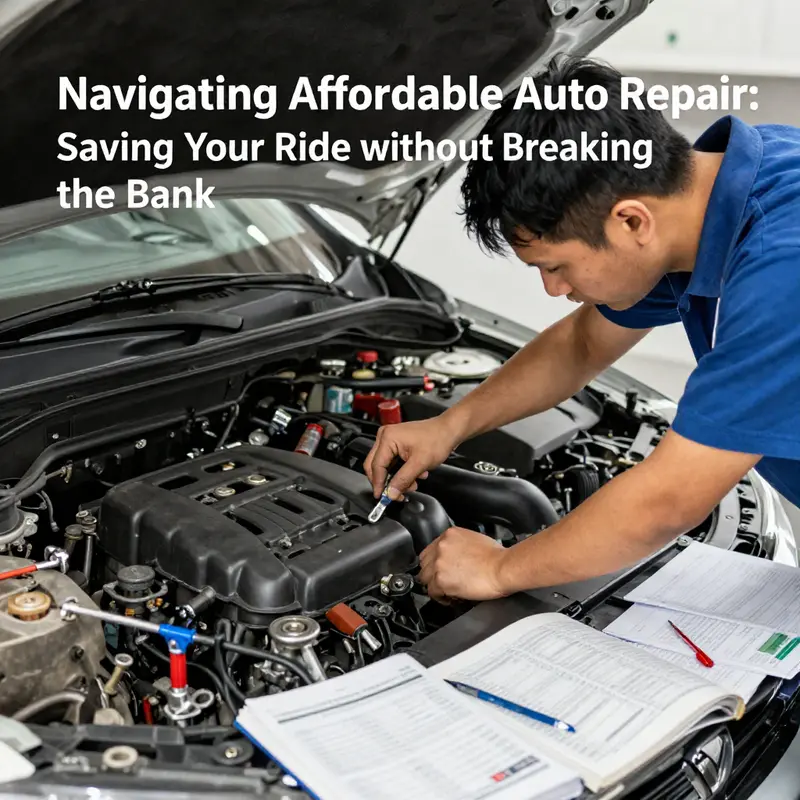
Maintaining a vehicle without letting repair costs derail finances is a balancing act that many drivers face each year. The goal is not simply to find the cheapest fix but to secure repairs that restore safety, reliability, and longevity without paying for unnecessary work. When a car vibrates, overheats, or refuses to start, the impulse is to hurry to the shop with the first price you can find. Yet true affordability emerges from a thoughtful approach that weighs quality, accountability, and value as a single equation. A practical path begins with understanding what makes auto repair affordable in the long run, not just in the moment of choosing a service. It rests on recognizing that reputable shops with skilled technicians can deliver lasting results, while cutting corners through low-cost parts or vague estimates often leads to repeat visits, higher cumulative costs, and uncertain outcomes that threaten safety. In other words, affordability is earned through a combination of prudent choices, clear communication, and ongoing maintenance that reduces the frequency and severity of major repairs. The pathway to this outcome often starts with a clear sense of what you want from a repair, what your vehicle actually needs, and how to separate genuine value from the illusion of a bargain. It also means understanding the hidden costs that accompany repairs, such as diagnostic fees, the labour rate at a given shop, and the potential difference between OEM parts and high-quality aftermarket components. By embracing a disciplined approach to evaluation and decision-making, you can sidestep common traps and build a maintenance plan that keeps your car on the road and your budget intact for years to come.
A cornerstone of this approach is recognizing that affordability is inseparable from reliability. When you bring a car to a shop with a strong reputation, you set the stage for fixes that not only address the immediate symptom but also protect against future failures. A reputable shop with certified technicians is more likely to diagnose correctly the root cause of a problem, which reduces the odds of expensive, downstream issues that stem from a hurried or incomplete repair. In practice, you should look for shops that prioritize ongoing training and adherence to industry standards. Certification matters because it signals a commitment to staying current with evolving vehicle technology, which can be essential for delivering precise diagnostics and effective repairs. The Automotive Service Excellence (ASE) certification is a widely recognized benchmark in the industry, and it provides a baseline assurance that technicians have demonstrated knowledge across core repair disciplines and have kept pace with new automotive systems. While certification alone does not guarantee perfection, it is a meaningful signal that your mechanic has earned not just skill but a professional ethos oriented toward quality and accountability.
Beyond credentials, the intangible indicators of a shop’s reliability—like how staff interact with customers, how clearly they explain issues, and how transparent they are about costs—often predict long-term value more reliably than any single price quote. Reading customer reviews can offer a window into a shop’s transparency, fairness, and timeliness. A pattern of positive feedback about straightforward explanations, adherence to quoted timelines, and honest pricing usually correlates with better outcomes. Conversely, frequent complaints about surprise fees or unclear labor charges should raise red flags. The process of choosing a repair facility benefits from a careful comparison of several shops, focusing not only on price but on the quality of the diagnostic process, the specificity of the repair plan, and the assurances that accompany the work.
In dialogue with a shop, vehicle-specific needs deserve careful attention. Not all vehicles are created equal when it comes to diagnosis and repair, and certain makes or models require specialized tools or diagnostic software that only some facilities possess. Dealership service departments often provide factory-trained technicians and access to manufacturer-approved parts, but this level of expertise comes with a price tag that may be higher than independent shops. Independent shops, by contrast, frequently offer comparable expertise at lower prices, especially when they use high-quality aftermarket parts that meet OEM standards. The key is to identify a shop that has established strengths with your vehicle’s make and model, along with the capacity to source appropriate parts quickly and reliably. For many drivers, this means having access to a technician who can perform precise diagnostics, interpret data from modern onboard computer systems, and implement fixes that address the actual mechanical or electrical issue rather than merely treating symptoms. A careful conversation about the car’s history, prior repairs, and any ongoing concerns will help you gauge whether a shop is equipped to handle your vehicle efficiently.
Another dimension of affordability is the art of getting more transparent pricing. A trustworthy shop will provide a detailed, written estimate before any work begins, with a clear line-item breakdown of labor, parts, and any ancillary fees. This transparency makes it easier to compare proposals from different shops and to understand where your money is going. It also reduces the likelihood of surprise charges when the work is complete. When you request an estimate, you can use it as a baseline to discuss options—such as whether an aftermarket part that meets OEM specifications can substitute for a pricier original equipment manufacturer component, or whether a diagnostic test is necessary before authorizing broader repairs. In some cases, a repair may involve several steps, each with its own cost structure. A well-prepared technician will walk you through these steps, explain why each is necessary, and help you weigh the value of proceeding with the recommended course. You might see references to a specific line item, such as an auto-ac-repair-cost, which corresponds to the expected price for the air conditioning system repair; in many shops, you can find an itemized breakdown that allows you to compare apples to apples across providers. auto-ac-repair-cost serves as a practical anchor for such conversations, illustrating how a structured estimate helps you navigate the budgeting process without losing sight of essential safety considerations.
With price transparency in hand, warranties provide a crucial safety net that often makes the difference between a good value and a regrettable hit to your wallet. Some shops offer warranties on both parts and labor, which can protect you against defects and ensure that the repair remains sound if the issue recurs within a stated period. A warranty demonstrates the shop’s confidence in its workmanship and its commitment to customer satisfaction. When evaluating warranties, pay attention to the scope, duration, and what constitutes a valid claim. Short-term warranties may be adequate for less complex fixes, but for larger repairs—such as drivetrain work, cooling system overhauls, or electrical repairs—longer coverage with clear terms provides meaningful protection against future trouble. If a shop cannot or will not offer a warranty, that absence should give you reason to probe deeper into why the work may be more fragile or uncertain. The right warranty reinforces your decision to invest in a repair and makes the overall expenditure more predictable over time.
Beyond the price tag and the warranty, there is value in exploring broader strategies that can stretch dollars without compromising safety. One fundamental approach is to obtain multiple quotes from reputable shops. Comparing estimates helps you gauge what is typical for your region, what each shop believes is required for the repair, and how they value different parts and services. This practice can also reveal potential upsells or unnecessary steps. When you collect quotes, request not only the bottom-line figure but also the diagnostic findings that informed the repair plan. A well-informed consumer asks for the rationale behind each recommended action, and a professional shop will welcome that level of scrutiny. In addition to price comparisons, consider the long-term costs of ownership. A cheaper repair today that leads to repeated trips for the same issue may end up costing more than a higher upfront cost for a more durable fix.
Internal considerations aside, there are external resources that can influence affordability. Community programs and nonprofit repair initiatives sometimes provide assistance or guidance for drivers facing financial hardship or for vehicles that are essential for work and family responsibilities. While these programs vary by location, knowing they exist can help you plan ahead and avoid leaving essential maintenance neglected until a breakdown occurs. The goal is not to depend on charity, but to leverage available support to keep your car dependable while you meet your broader financial obligations. This broader perspective—combining reputable shop selection, transparent pricing, warranties, careful cost comparisons, and available community resources—forms a robust framework for making affordable auto repair a reality rather than a pipe dream.
To summarize the practical path to affordability: start with a shop that has a proven reputation and certified technicians, then prioritize transparent, written estimates and meaningful warranties. Use the estimate as a tool for comparing value rather than chasing the lowest number, and consider the overall long-term cost of ownership, including the potential savings from preventing future failures. Embrace the reality that the most affordable option today may be the one that ensures you do not face expensive, avoidable repairs down the road. In the end, the balance of quality work, clear communication, and strategic budgeting yields reliability, safety, and peace of mind for you and your vehicle. For readers seeking a more detailed discussion of how to navigate pricing, the online resource linked here provides a structured framework for evaluating repair costs and choosing a trustworthy shop: Consumer Reports on Choosing a Trustworthy Mechanic.
null
null
Certified Confidence on a Budget: How Certification Elevates Affordable Auto Repair Without Sacrificing Safety
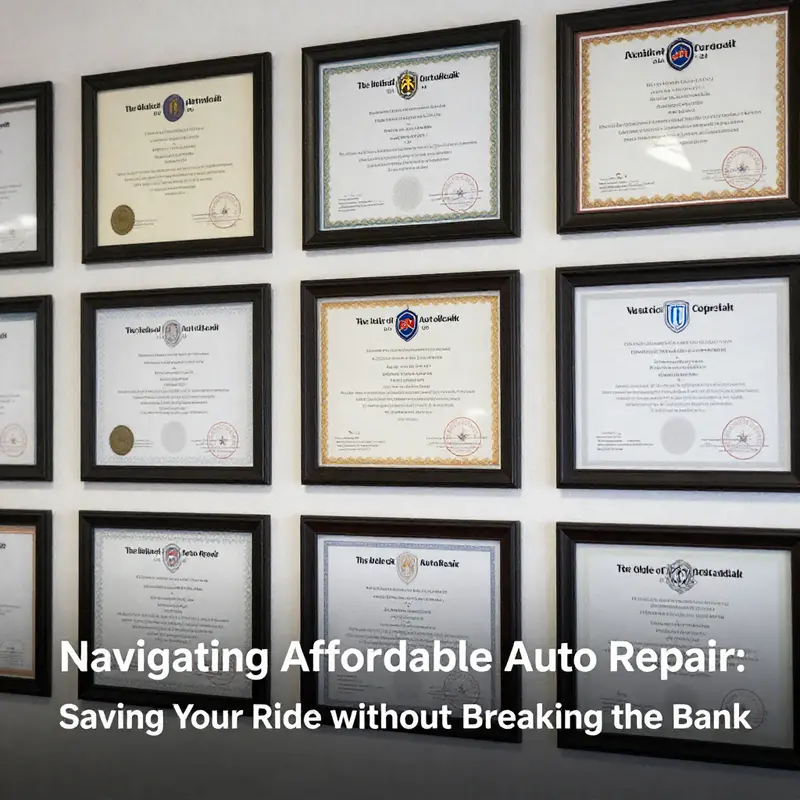
Affordability in auto repair is not a single price tag; it is a careful balance between upfront costs, reliability, and the risk of future expenses. Certification acts as a practical guidepost in that balance. When a technician holds a recognized credential earned through rigorous testing and ongoing education, it signals that they have met industry standards for knowledge, skill, and responsible practice. This verification goes beyond a low quote and becomes a reliable signal that the work will be performed correctly and safely, even when the price is competitive. In markets crowded with competing advertisements and discount promises, certification stands as a durable trust signal. It helps budget-minded drivers sort through the noise and recognize shops where value is built on competence, not just cheaper labor.
To understand why certification matters, it helps to know what certification actually certifies. A credentialed technician has demonstrated mastery of core concepts in engine performance, electrical systems, brakes, suspension, and safety-critical procedures. The tests require problem-solving ability, hands-on skill, and the capacity to follow manufacturer specifications. Importantly, certification also implies a commitment to ongoing learning. Vehicles evolve quickly, with new engines, computerized controls, and increasingly complex diagnostics. A certified technician is expected to stay current, which reduces the likelihood of misdiagnosis and unnecessary parts replacement. That combination—up-to-date knowledge and proven technique—translates into fewer callbacks and a lower chance of returning repairs. When a shop can promise transparency about what is being repaired and why, you gain peace of mind that your dollars are used to fix the right problem the first time.
Certification functions as a reliable diagnostic partner in the repair process. A modern vehicle is a network of sensors, modules, and mechanical subsystems that must work in harmony. A certified technician is trained to approach diagnostics methodically, to verify assumptions, and to adhere to diagnostic procedures that minimize guesswork. This discipline matters for affordability because a precise diagnosis minimizes the risk of replacing parts that still have life in them. It also supports smarter decisions about aftermarket versus OEM parts. A qualified technician can weigh cost, reliability, and compatibility, guiding the consumer toward options that balance price with performance and longevity. In the end, a correct diagnosis is a cost-saving move that reduces downtime and the need for repeat visits, which is a perennial driver of budget strain for households.
Pricing transparency often accompanies certified repair shops. The ethical framework embedded in certification programs encourages practices like upfront estimates, clear explanations of needed work, and documented consumer protections. When a customer asks, a certified technician or a shop with certified technicians can articulate what is being fixed, why it is necessary, and what alternatives exist. This openness is essential for affordable repair because it helps a vehicle owner assess value rather than accepting the lowest headline price. It also fosters trust; a customer who understands the repair plan is less likely to be surprised by hidden costs or ambiguous charges after the work is completed. The result is a smoother financial experience, with fewer disputes and more predictable budgeting for maintenance and repairs.
Affordability does not mean compromising on quality, and certification helps bridge that gap. A shop that prioritizes certified technicians often cultivates a culture of accountability. Technicians who are required to maintain their certification and participate in continuing education bring fresh approaches to problem solving. They are more likely to keep diagnostic tools calibrated, to follow licensed procedures, and to document work in a way that makes it easy for customers to review what was done and why. This level of accountability translates into long-term savings: fewer misdiagnoses, less wasted time, and a clear trail for warranty and service agreements. It is this steady, methodical approach that turns a seemingly high upfront price into a sustainable, cost-effective investment over the vehicle’s life cycle.
It is also worth acknowledging the role of aftermarket parts. Certification equips technicians with the knowledge to evaluate aftermarket options, balancing cost with reliability and compatibility. A budget-minded driver often faces a choice between cheaper parts and higher-cost, higher-quality components. A certified technician can explain where a cheaper part may be appropriate and where it might introduce risk or require more frequent replacement. This nuanced guidance helps prevent the guilt of a bad deal—where the initial savings vanish in the form of repeated repairs or reduced vehicle safety. The goal is not to chase the cheapest solution at every turn but to pursue the best value, defined by durability, performance, and the avoidance of unnecessary labor charges. In many cases, the smart use of high-quality aftermarket parts under the guidance of a certified professional yields a durable, affordable repair that keeps the car on the road longer with fewer setbacks.
As consumers navigate a crowded market, the decision to seek certified expertise becomes a practical strategy for keeping costs predictable. Certification helps you separate heat from light in the pricing conversation. A shop that communicates clearly about the nature of the problem, the scope of work, and the expected lifespan of components tends to present a pricing structure that is easier to compare against other bids. When your budget is tight, you do not want to gamble on the chance that a cheaper quote will balloon into a cascade of surprise charges. The trust created by certification can also be extended through community resources. Some nonprofit repair programs and local service organizations partner with certified technicians to provide affordable options for those who struggle to pay for essential maintenance. While every program has its eligibility rules, the logic is simple: high-quality repair should be accessible, and certification helps ensure that reduced-cost services meet safety and reliability standards rather than masking subpar work.
For readers seeking a practical benchmark, the path often begins with asking the right questions. In conversations with shops, you can inquire about the technician’s current certifications, the specific areas they cover, and the recertification or continuing education requirements in place. You can request details about the diagnostic approach for a given problem and a written estimate that breaks out parts, labor, and potential contingencies. Transparent communication, backed by credentialing, makes it feasible to compare apples to apples across different bids. The credibility conferred by certification also makes it easier to trust the shop’s recommendations about preventive maintenance. A certified technician is more likely to recognize the long-term value of routine upkeep—like timely oil changes, brake inspections, and system flushes—whose cumulative effect keeps the car reliable and reduces the chance of expensive, emergency repairs that disrupt budgets.
In the broader picture, certification is not a magic wand that makes repairs free. It is a proven framework for delivering quality at a price that remains affordable over time. It aligns the incentives of the shop with the customer’s objective: to minimize risk, maximize reliability, and keep the vehicle safe. The savings come not only from avoided misdiagnoses or unnecessary parts replacement but also from the predictability a certified technician brings to the repair timeline. When a vehicle is out of service, every day counts. A repair that is done right the first time minimizes lost mobility, helps families maintain routines, and preserves the vehicle’s resale value. All of these factors contribute to true affordability, because they reduce the cumulative burden of ownership even as the sticker price of a single service may appear modest or competitive.
For those who want to connect theory with practice, a simple way to anchor this trust is to explore a comprehensive, user-friendly guide to repair processes and standards. A nearby reference point that captures the spirit of this approach can be found in the A to Z Auto Repair guide, which provides an accessible overview of common systems, typical repair pathways, and how certified professionals apply best practices across a range of vehicles. This kind of resource helps vehicle owners become informed participants in the repair process, empowering them to ask informed questions and to understand why certain steps are necessary.
Ultimately, certification is not an isolated credential but a signal that connects skilled professionals with responsible service, transparent pricing, and a shared commitment to safety and vehicle longevity. It supports affordable auto repair by reducing the risk of misdiagnosis, guiding smarter parts choices, and promoting ethical business practices that can withstand price pressure. For the customer, the payoff is straightforward: higher confidence in the repair decision, fewer unexpected costs, and a smoother experience from the first estimate through the moment the shop closes the hood. For the wider community, certification helps raise the standard of care and fosters a repair culture where affordability and reliability are not mutually exclusive.
For readers who want to dive deeper into the rationale behind credentialing and its impact on consumer budgets, the industry provides curated resources that explain how certification frameworks translate into real-world outcomes. These resources emphasize the practical benefits of choosing certified technicians—better diagnostics, safer repairs, and transparent communication that makes budgeting easier. In a marketplace where price competition can erode quality, certification stands as a practical investment in long-term value rather than a one-off discount. It is this perspective that aligns with the core objective of affordable auto repair: enabling every driver to maintain a safe, dependable vehicle without sacrificing financial stability.
External resources can offer additional context on why certification matters beyond price considerations. For a detailed explanation of why ASE certification matters for car repair, readers can consult authoritative sources that articulate the standards, the testing framework, and the ongoing education requirements that keep technicians current. This deeper dive complements the experience of shopping for service and reinforces the idea that affordability and quality are compatible when guided by credentialed expertise. For more on this topic, an external reference can be explored.
Smart Tactics for Budget-Friendly Auto Repair: Building a Practical Roadmap to Affordability
Affordability in auto repair is less about finding the cheapest option and more about building a predictable, sustainable approach to car upkeep. A vehicle that costs less to repair over its lifetime is not a mystery; it is the result of informed choices, disciplined maintenance, and a network of trusted technicians who understand that safety and reliability are non-negotiable. When money is tight, the impulse to cut corners can be strong. Yet the long arc of ownership often rewards disciplined, strategic spending more than quick, impulsive savings. The aim is to protect what matters most: your safety, your time, and the longevity of a vehicle that remains a trusted ally on the road. The core idea is simple: small, deliberate actions every season add up to substantial savings, while also reducing the risk of sudden, high-cost failures that can disrupt daily life and drain savings reserves.
A practical path toward cost efficiency begins with maintenance you can perform yourself. Basic upkeep—oil changes, air and cabin filter replacements, tire pressure checks, battery terminal cleaning, and fluids inspection—forms a sturdy first line of defense against deterioration. These tasks are not glamorous, but they are the kind of routine work that prevents bigger problems before they appear. Oil changes remain a reliable example. Regular oil changes protect engine components, minimize friction, and deter wear that accelerates costly repairs. By shouldering this routine work, you avoid labor charges that can quickly accumulate at a shop. The math is straightforward: the cost of a basic oil change, filters, and a few essential tools can be a fraction of the price of a single major engine service performed at a dealership or repair shop.
Beyond the obvious savings, taking charge of routine upkeep gives you a sense of control that can reshape how you think about maintenance. When you set aside time for a weekend DIY session, you not only save money but also gain a clearer picture of your car’s overall health. You learn to spot nagging symptoms—the slow drain of a battery, a worrisome clatter, or an odd vibration—that, if addressed early, can prevent more serious issues. For drivers who want to start with the basics, a practical primer on home maintenance is available through trusted guidance channels. And for readers seeking a structured starting point, a concise primer like DIY Auto Repair Basics can offer a clear, actionable roadmap without the guesswork.
Of course, there is a boundary to what should be DIY. The line between a manageable task and a risky repair is real. Replacing windshield wipers or cleaning corrosion from battery terminals are usually well within the DIY realm. On the other hand, engine performance issues, transmission faults, or problems in the vehicle’s electronic or sensing systems demand professional diagnosis. Misdiagnosis is not only frustrating; it often compounds the damage and inflates costs. In this arena, reliable diagnostic tools—whether a trusted code reader or professional-grade scan tools—paired with prudent judgment, can help you decide whether a repair is within your skill set or beyond it. When in doubt, seek a second opinion from a well-regarded shop or a knowledgeable friend who has experience with similar models. And remember, online forums can be helpful for rough directional guidance, but they should not replace certified expertise when the issue is complex or safety-critical.
The question of where to seek help then becomes a balancing act between cost and trust. Building relationships with local, independent mechanics often yields tangible benefits that go beyond the hourly rate. Independent shops frequently offer lower labor rates than franchised dealerships and are more likely to discuss pricing openly. They may be willing to work with you on payment plans or provide transparent estimates that break down parts, labor, and taxes. The payoff goes beyond a single visit: a history with a trusted shop creates a partnership in your vehicle’s ongoing well-being. Word of mouth, verified online reviews, and personal recommendations from friends can be powerful tools when identifying a shop that aligns with your values. When you find a mechanic who demonstrates honesty, courtesy, and patience in explaining issues and options, nurture that relationship. Regular visits for essential services—such as brake inspections or tire rotations—can become bundled, cost-saving events that keep your car in peak shape while avoiding surprise charges.
A key feature of cost-effective repair is the intelligent use of parts. Aftermarket components, when selected with care, can substantially reduce costs without compromising safety or performance. These parts are designed to meet the same functional standards as OEM parts, but at a fraction of the price. The savings can be substantial: a typical aftermarket brake pad, for instance, may cost far less than an OEM counterpart, while meeting industry standards and coming with warranties from reputable manufacturers. The caveat is essential: compatibility must be verified for your specific make and model, and the warranty terms should be understood. In the case of critical components or high-mileage aging systems, a careful risk assessment helps determine whether aftermarket parts are appropriate or whether OEM parts are a more prudent choice. The decision should hinge on compatibility, expected service life, and the presence of a warranty that protects you if a part fails prematurely.
The practical art of budgeting for auto repair also rests on how you approach estimates and quotes. Rather than accepting a single price, gather multiple quotes for the same work and insist on itemized estimates. A transparent estimate lists parts, labor, any shop supplies, disposal fees, and taxes. This clarity helps you compare apples to apples, revealing where a quote may be padded or where a shop is proposing a more expensive solution than necessary. Don’t hesitate to ask for a breakdown of the labor hours and the hourly rate. If a quote seems unusually low, ask questions about the parts quality, warranty coverage, and whether the shop plans to reuse older components in ways that could affect reliability. Open communication about expectations and potential future issues reduces the chance that a seemingly good deal becomes a poor choice after the work is done.
When you are choosing between a DIY path and a professional service, timing matters. Routine maintenance and minor repairs scheduled ahead of time are easier to absorb financially than urgent, emergency fixes that arise from neglect. Scheduling a routine brake inspection ahead of long road trips or during seasonal changes can prevent last-minute scrambles to find a shop with available appointments and a fair price. Being proactive with maintenance also aligns with insurance and safety expectations, ensuring that your car remains roadworthy under varying conditions. A proactive stance reduces the risk of cascading failures, where one small problem triggers a chain reaction of expensive repairs.
There is also value in leveraging community resources. Some non-profit repair programs, municipal repair clinics, or charitable organizations offer reduced-cost services for qualified individuals. These programs can be a lifeline for households navigating tight finances while maintaining essential transportation. Availability and eligibility vary by location, but the principle remains solid: you do not have to bear the burden of needed repairs alone. If you need help understanding what programs exist in your area, local consumer protection offices, community centers, or automotive clubs often have up-to-date information that can point you toward legitimate, affordable options. The sense of solidarity in those programs is not a mere afterthought; it reflects a practical commitment to keeping people mobile and safe.
Beyond the mechanics of saving, there is a dimension of knowledge that empowers smarter decisions. Certifications and professional standards protect you when you must rely on a technician. The National Institute for Automotive Service Excellence (ASE) is a widely recognized authority that helps consumers assess the competence of technicians and the shops they work in. ASE-certified technicians have demonstrated a baseline level of knowledge and skill, which translates into higher confidence that the repair will be performed properly the first time. While certification alone does not guarantee perfection, it signals to consumers that the shop adheres to recognized maintenance practices and continues to invest in technician development. For those who want a consolidated source of guidance on maintenance schedules, safety practices, and best-practice repair, the ASE site is a reliable starting point. You can explore practical resources and guidance at ASE’s official site: https://www.ase.com.
The interplay of DIY work, professional help, and smart parts choices creates a robust framework for affordability. It is not a rigid doctrine but a flexible philosophy: use your tools when it makes sense, lean on the expertise of skilled technicians when the job demands it, and choose parts that deliver dependable performance while protecting your budget and your safety. The path is not about chasing the cheapest outcome at every turn; it is about building a sustainable routine that keeps your vehicle dependable, your risk low, and your finances stable. It is about knowing when to invest in a tool you will use for years, when to invest in a trusted technician who can diagnose subtler issues, and how to balance these decisions with the realities of your personal finances.
To support a reader who wants to start or refine this approach, a practical starting point is to engage with reliable educational resources and a network of practitioners who value transparency. A simple, grounded habit is to read an itemized estimate before approving any work and to request explanations for why a particular repair is necessary. If you can, walk through the shop’s diagnostic results with the technician and ask how the recommended service aligns with your vehicle’s maintenance schedule. The more you understand, the less room there is for miscommunication or unnecessary work. This mindset makes you an active partner in the repair process, not a passive recipient of a bill.
As you build a budget-friendly approach, consider how you will document and track repairs and maintenance. Keeping a log of service dates, mileage, and the parts used helps you notice patterns, plan ahead, and justify cost-saving decisions to yourself or to family decisions. When repairs are needed, a well-kept history can support future price negotiations with shops and can simplify the process of switching providers if that ever becomes necessary. The discipline of record-keeping pairs naturally with the habit of seeking multiple quotes and comparing options. In time, this approach shapes your expectations and your confidence, turning affordability into a sustainable, repeatable practice rather than a one-off exception.
For those curious about starting points or seeking guidance on the most efficient way to approach cost-conscious maintenance, the suggestion to consult educational materials and DIY resources is not a substitute for professional care. It is a complement. A well-chosen combination of DIY basics, trusted professional support, careful part selection, and transparent pricing creates a cycle of responsible ownership that reduces the friction between car reliability and budget limitations. This cycle is not about erasing price differences or about selecting the cheapest service every time. It is about understanding value—how long a component will last, how a service will affect the vehicle’s safety, and how much time and money you will save over the life of the car by making prudent, informed choices.
If you are just beginning this journey, consider starting with an accessible, broad-based intro to home maintenance—the kind of resource that gives you a practical sense of what you can do safely and where your limits lie. A useful entry point is the DIY Auto Repair Basics guide, which offers straightforward explanations and step-by-step ideas to build confidence without overwhelming you with complexity. You can locate this resource at the internal link below as a first step toward developing your own budget-friendly routine. DIY Auto Repair Basics. While no single chapter can capture every nuance of every model, this primer helps you translate the general principles of affordability into actionable tasks you can perform with reasonable outcomes and growing competence.
In sum, cost-effective auto repair rests on three pillars: informed maintenance that you can perform safely, strategic use of professional services for the parts that demand specialized expertise, and money-saving decisions about parts, pricing, and timing. When you treat maintenance as a proactive, ongoing program rather than a sporadic, reactive process, affordability follows as a natural consequence. The goal is not to chase the lowest price on every repair but to cultivate a balanced approach that prioritizes safety, reliability, and reasonable spend. The result is a vehicle that remains dependable, a driver who feels empowered, and a budget that can absorb the inevitable surprises of car ownership without derailing finances. To support ongoing learning and practical application, I invite you to explore additional resources and keep the conversation with your trusted mechanic open and constructive. For a broader perspective on safe, certified auto care, you can consult the ASE site at https://www.ase.com.
Final thoughts
Understanding affordable auto repair is not just about cut rates; it’s about making informed choices that help maintain vehicle safety and reliability. By considering the factors influencing affordability, finding reliable services, valuing certifications, and implementing cost-effective strategies, both motorcycle and auto owners can effectively manage repair costs. This approach not only secures a vehicle’s performance but also fosters long-term savings. Stay proactive in your vehicle maintenance and embrace the knowledge shared in this article. Your ride deserves it.