
Vehicle maintenance is crucial for ensuring optimal performance and longevity, yet many owners struggle to understand the nuances of service packages. This article demystifies A and B auto repair maintenance packages, particularly as tailored by renowned manufacturers like Mercedes-Benz. Through a detailed exploration of maintenance protocols, service differences, cost implications, and service locations, readers will gain the insight needed to make informed decisions for their vehicles. Each chapter aims to empower motorcycle and auto owners by breaking down essential knowledge into digestible insights that can save time, money, and, most importantly, enhance vehicle reliability.
Beyond Baseline Checkups: Navigating A and B Maintenance Packages for Longevity and Confidence
Maintenance in modern vehicles often feels like a quiet conversation between driver, vehicle, and technician. It isn’t about chasing every tiny fault but about aligning routine care with how a car is used, where it travels, and what parts wear over time. Within this framework, two tiers of manufacturer-recommended maintenance—often labeled as A and B—serve as the backbone of a proactive strategy. They are not universal repair categories but tiered service plans designed to keep the car performing safely and reliably while guarding value over the long haul. When viewed through the lens of everyday ownership, A and B maintenance packages become more than a checklist; they are a practical map for turning routine servicing into a durable asset, protecting performance, efficiency, and peace of mind as the miles accumulate.
The A maintenance package appears as the foundational tier, scheduled at intervals that align with typical city and highway use. In many programs, the trigger is set around ten thousand kilometers or roughly twelve months, whichever comes first. The core aim is straightforward: ensure the vehicle remains ready for daily operation by addressing the essentials that keep an engine running smoothly and a car feeling confident on the road. The practical tasks in an A service center on lubrication and basic safety. Engine oil and the oil filter are replaced to maintain proper lubrication and minimize wear. Fluid levels are checked and topped up as needed—brake fluid, coolant, power steering fluid, and even windshield washer fluid—to prevent a cascade of failures that could arise from simple shortages or deterioration.
Tire health plays a direct role in handling and safety, so the A package includes a tire inspection with pressure checks and a basic tread assessment. The service also encompasses a survey of the electrical system to verify battery health and the reliability of lights, indicators, and horns. A compact diagnostic scan is typically performed to read and clear fault codes from the primary control systems, providing a snapshot of the vehicle’s electrical and engine management state without venturing into more invasive work. Inside and out, the A service looks for issues that an attentive driver might notice before they become limiting problems. It checks interior controls, infotainment systems, window mechanisms, and the easy-to-overlook exterior components like wipers and seals that keep weather out of the cabin. The aim is preventive simplicity: address what is obvious and routine before it grows into a repair that disrupts everyday use.
A service is often guided by a vehicle’s intelligent maintenance reminders system. This system tracks driving conditions, usage patterns, and calendar time to alert the driver when a routine check is recommended. The reminder approach reflects a philosophy that maintenance is not a fixed ritual but a personalized schedule shaped by how a particular car is driven. In the best hands, this system helps avoid unnecessary work while catching meaningful wear signals early. For many owners, that means a predictable, manageable service experience that fits into a busy life while building confidence in the car’s ongoing reliability.
The B maintenance package sits one notch up from A in depth and scope. It is still anchored in the foundational A tasks, but it layers on a broader set of diagnostic checks and component inspections designed to identify longer-term wear and smaller, evolving issues before they threaten performance or safety. The B service is commonly scheduled at about twenty thousand kilometers or a little under twenty-four months, whichever comes first, a cadence that aligns with practical expectations for higher-mileage driving or more frequent trips. In its expanded form, B maintenance adds items that are less visible to daily operation but are critical to the vehicle’s longevity when left unchecked.
One of the most tangible enhancements in the B package is the replacement of air and cabin air filters. Clean air for the engine improves combustion efficiency and helps maintain stable engine temperatures and emissions performance. At the same time, upgrading the cabin air filter makes a direct difference to interior air quality, hygiene, and comfort—an especially meaningful consideration in areas with high pollution or pollen levels. The B package also often includes cabin air purification and sterilization procedures. These steps address odors and potential microbial buildup within the HVAC system, contributing to a more pleasant and healthier interior environment.
Beyond filtration, the B service typically encompasses more meticulous intake and throttle body care. A non-destructive cleaning of the intake system and throttle body helps remove carbon deposits that can affect throttle response and fuel economy. This kind of service targets the subtle performance shifts that can accumulate with time, especially in engines that endure varied driving conditions. While this work is less invasive than a full engine teardown, it tends to have a noticeable payoff in smoothness of operation, responsiveness, and fuel efficiency.
The B package also expands the underbody and engine bay inspection. Technicians look beyond the visible to check suspension components, exhaust system integrity, and signs of wear that could lead to more significant issues if neglected. A careful evaluation of drive components, including joints and mounts, helps identify developing concerns before they become safety risks. In addition, steering fluid calibration and checks for leaks or contamination are commonly included, contributing to predictable steering feel and reliability in steering response.
While the A service is described as the essential checkup, the B service grows into a more comprehensive diagnostic routine. Depending on the vehicle’s configuration and the manufacturer’s guidance, the B maintenance may also call for additional fluid changes—such as transmission or brake fluid—and, at higher mileages, ignition components or belts and hoses. The practical effect is a more thorough look at critical systems that influence drivability, reliability, and the long-term health of the powertrain and chassis. In this sense, B maintenance is a proactive shield against the financial and operational disruption that can accompany unforeseen, major repairs in later years.
Cost considerations surface as a natural counterpart to these expanded checks. In the context of the operating market, A maintenance tends to be more accessible in price because it emphasizes essential items and shorter labor times. B maintenance, with its additional inspections, replacements, and more complex diagnostics, commands higher labor hours and material costs. For illustration, typical ranges cited by manufacturers in certain regions place A service between roughly 1,500 and 3,000 currency units, while B service is often centered around 3,500 currency units or more, depending on the model, the specific components involved, and local market conditions. The exact figures can shift based on whether the work is performed at an official dealership or by an independent shop, and whether original manufacturer parts are used or qualified equivalents are chosen. The variability underscores an important reality: maintenance value hinges as much on timing and diligence as on the precise invoice total.
Model size and design play a meaningful role in cost differences. In the same brand ecosystem, smaller or lighter-weight configurations typically incur lower B service costs than larger, heavier, or more complex variants. The chassis and drivetrain configuration, as well as the estimated labor required to access certain components, can tip the balance by a noticeable margin. The result is that the same maintenance package may feel like a straightforward choice on one vehicle and a more substantial investment on another. This variability reinforces the value of getting a precise quote tied to the vehicle’s VIN and its exact specification before committing to any service plan.
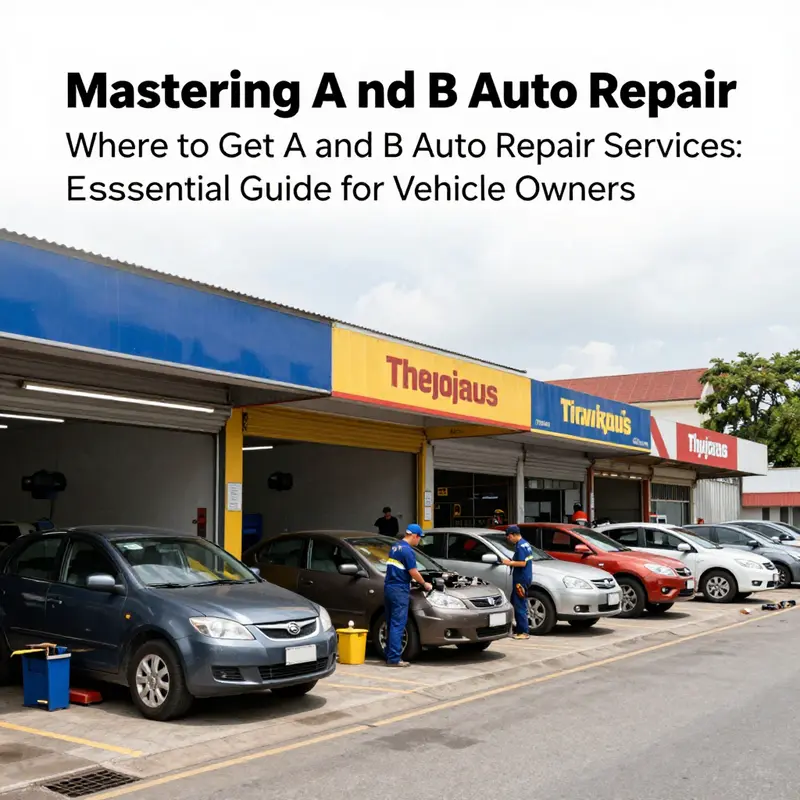
Another practical factor is where the service is performed. Authorized dealerships or brand-specific service centers commonly price B maintenance higher than independent shops, often reflecting the calibration that comes with the manufacturer’s service standards, included software updates, and access to the latest diagnostic tools. Yet many drivers discover that well-equipped independent shops can deliver a comparable level of care at a lower cost, particularly when they supply their own parts or opt for high-quality non-original components. The decision between dealership and independent service thus becomes a judgment about the mix of convenience, assurance, and potential savings that matters most to the owner.
For drivers who want to optimize value, the question often centers on timing and necessity. If a vehicle has low mileage and a conservative duty cycle, A maintenance may be sufficient to sustain performance and safety. For vehicles that accumulate more miles, endure challenging road conditions, or rely on consistent, high-utilization operation, a B maintenance can be a prudent investment. The objective is not to chase every possible issue but to maintain a careful watch over the most consequential systems and components. The combination of regular A services with periodic B checkups can create a rhythm that prevents minor wear from evolving into disruptive faults, thus preserving reliability and resale value over time.
Embedded within this conversation is a broader truth: maintenance packages become more valuable when they are understood as a coordinated strategy, rather than isolated service events. The manufacturer’s reminders system—designed to tailor maintenance to the car’s actual usage—plays a central role in this strategy. The reminders reflect a philosophy of smart care, where the car informs the owner when and what kind of service is most appropriate given current conditions. When drivers embrace that guidance, they align maintenance timing with real needs, avoiding both excessive service and insufficient attention. This alignment translates into smoother ownership, lower risk of unexpected breakdowns, and a steadier lifecycle cost profile for the vehicle.
Price and value are only one side of the equation; another is the quality and transparency of the service experience. The A and B maintenance plans are not atomic transactions but part of an ongoing relationship between the driver and the service ecosystem. A routine visit might start with a simple intake, where the vehicle’s VIN is reviewed to confirm the correct service scope, and the technician explains the recommended items and estimated time. The driver may be shown a preliminary assessment, with a transparent breakdown of what is covered under A versus B and why a deeper check might be advantageous, given the car’s age, condition, and how it is driven. If the driver decides to proceed, the service bay becomes a workshop for both preventative care and diagnostic clarity. Lubricants, filters, and seals are replaced, wear is assessed, and calibration steps are taken when needed to preserve performance and safety. The narrative of the visit thus becomes a lived experience of proactive maintenance, not a routine nuisance.
To readers who want a broader sense of how these packages fit into a wider maintenance philosophy, a practical resource can be found that distills common missteps and how routine maintenance packages help prevent them. This guide explains how predictable servicing saves money and reduces stress by avoiding last-minute repairs spurred by neglect. It serves as a companion piece to the chapter’s themes, offering tangible guidance that complements the specifics of A and B maintenance. Avoid Car Maintenance Mistakes: How Routine Maintenance Packages Save You Money and Stress
For readers seeking official context, a maker’s maintenance and servicing guide provides authoritative detail on how these packages are structured and how reminders are generated. The guide emphasizes the value of a disciplined service cadence, the rationale behind routine replacements, and the long-term benefits of aligning maintenance with the vehicle’s actual operating profile. In practice, this means that following the recommended A and B schedules—while adapting to personal driving patterns—offers a balanced path to reliability and value. The precise content and pricing may vary by region and configuration, but the underlying principles remain consistent: regular inspection, timely replacement, and a collaborative approach between driver and technician that keeps the vehicle performing at its best over time. To explore the official framework, consult the maker’s maintenance guidance available online.
In the end, A and B maintenance packages should be understood as stages in a carefully managed life with a motor vehicle. They are not mere checklists but a way to translate miles into measurable, meaningful care. A service keeps the car fit for daily life, attending to the basics that ensure safety and efficiency. B service, meanwhile, extends that safeguard with deeper diagnostics and targeted replacements, defending long-term stability even as the vehicle ages. The value lies not in flashy promises but in the consistency of care: oil changes on schedule, fluids checked and refreshed, filters clean, and a system of checks that grows more thorough as wear accumulates. When drivers approach maintenance with a clear sense of purpose—the balance of necessity, cost, and long-term benefit—the A and B packages become practical tools rather than abstract terms. They enable more confident driving, preserve the vehicle’s performance envelope, and contribute to a smoother ownership journey that stands up to the test of time.
Beyond the Basics: Decoding the Key Differences Between A and B Auto Maintenance Services
Navigating the maintenance landscape of a modern car can feel like decoding a language of its own. Manufacturers often frame this in the form of service packages labeled A and B, two terms that seem straightforward but carry a surprisingly wide envelope of meaning in daily practice. The distinction, at its core, is not merely a question of how many tasks are performed, but how deeply the work probes the vehicle’s systems, how thoroughly it guards future reliability, and how transparent the process is to the driver who pays the bill. In practical terms, A service stands as the routine check-up that keeps the engine running smoothly and the vehicle safe for everyday use. It centers on the essentials: replacing engine oil and the oil filter, topping up critical fluids such as windshield washer, brake, and coolant where needed, checking tire pressures, battery health, and verifying the operation of key safety components like lights, brakes, and the horn. This package is designed to maintain baseline integrity, spot obvious wear, and provide a reliable snapshot that the car is ready for normal driving conditions. The emphasis is on consistency, predictability, and preventing the small issues from growing into disruptions that might strand a driver away from home or productivity. The A service is the lineup’s entry point, and for many owners it represents a trustworthy baseline that aligns with the vehicle’s maintenance schedule and long-term ownership goals. It is not about rush jobs or cutting corners; it is about steady, dependable care that preserves function with a degree of discipline that makes sense for the daily driver who relies on the car’s predictable performance day in and day out. Yet the simple label “A” does not imply that nothing changes over time. The actual routine can vary with mileage, regional climate, and the vehicle’s particular design. In many markets, the A service may require attention to items such as air filters or spark plugs only at certain mileages or kilometers, or when a technician observes condition-based wear during the routine checks. The objective remains consistent: ensure the car can perform as intended today and remain resilient for tomorrow, while laying a foundation for the next phase of care. When the service is completed, a driver often exits with a clear sense that the vehicle’s core health has been reaffirmed and that the next service interval is mapped out with confidence. B service, by contrast, steps beyond the basics and enters deeper diagnostic terrain. It builds on the work done in A, adding a broader sweep of inspections that are more likely to surface longer-term or less obvious concerns. A B service typically expands the inspection of the wheel assembly, including more precise measurement of tire tread wear and alignment implications. It extends the examination to the chassis and engine bay for signs of leaks or unusual wear patterns, and it strengthens checks on front axle and ball joint play, along with assessments of drive shaft joints and other drivetrain components. The goal is a forward-looking diagnosis: not merely to confirm that the car is fit to drive today, but to anticipate issues that could escalate if left unattended. This deeper diagnostic lens is essential for vehicles that accumulate road miles quickly, carry heavy workloads, or endure diverse driving conditions. The B service is designed to offer a more comprehensive picture, the kind of diligence that aims to preserve the vehicle’s long-term stability and reliability. It is a more time-intensive process, and for many drivers it represents a meaningful investment in continuity—reducing the chance of unexpected downtime and potentially preventing more extensive and costly repairs down the road. The cost structure narrates much of this difference. Across markets, the A service is typically less expensive than the B service, reflecting the shorter labor time and the narrower scope of checks. In the examples pulled from common market practices, the A service might fall within a broad, moderate price band, while the B service, with its deeper diagnostics and broader inspection list, sits higher on the scale. The exact numbers vary depending on the model, the shop, and local conditions, but the general pattern holds: more time, more checks, and more parts can push B substantially above A in cost. This cost reality is not merely a function of the tasks themselves; it arises from the time required, the diagnostic tools employed, the potential need for more labor-intensive checks, and the possibility of additional parts being inspected or replaced during the deeper inspection. A driver choosing between A and B is often weighing a number of practical considerations—budget, risk tolerance, and how the vehicle is used. If the car endures demanding daily use, or if the vehicle is approaching a known mileage window where wear components are more likely to reach limits, the B service’s deeper look can offer greater peace of mind. For a driver with a tighter schedule or a vehicle in lower mileage, the A service can deliver essential maintenance with a more modest investment, preserving the vehicle’s reliability without stepping into the more involved territory of a full-depth inspection. The decision can also hinge on how the service is delivered. Authorized dealerships and independent shops offer different value propositions, and where a vehicle is repaired can significantly affect both price and perceived quality. In many markets, authorized service centers—often branded through the maker’s network—tend to align their A and B service pricing with the manufacturer’s guidelines, offering standardized procedures and access to manufacturer-specific diagnostic tools and parts. The trade-off for the customer is often a higher upfront price; the upside is a high level of assurance that the work aligns with the company’s maintenance philosophy, with potential advantages in warranty coverage and the availability of a fully documented service history. Independent shops, by contrast, frequently compete on price and speed, and they may use high-quality non-original parts along with skilled technicians who bring practical experience across many vehicle makes. This can yield significant savings for the driver, but it also requires careful vetting. The content of the A and B services themselves can reflect these different approaches. An A service at an independent shop may emphasize efficiency, provide transparent, itemized estimates, and offer flexible payment options. The quality of diagnostics can be excellent if the shop invests in modern tools, and the technicians, while perhaps not ASE-certified in every case, bring hands-on competence that keeps routine maintenance robust. A B service at an independent shop often promises a thorough look at concerns that might not be obvious from a quick check. It may include more extensive wheel and suspension diagnostics, deeper inspections for leaks, and a broader review of drivetrain components. The fewer the minutes spent on overhead, the more likely the shop can offer the B service at a lower price than an authorized dealer—though the trade-off could lie in the breadth of the parts used or the level of formal certification among staff. The heart of the matter, however, lies not just in the tasks themselves but in the quality frame surrounding the work. Service A is frequently associated with a customer-focused approach that prioritizes accurate diagnostics, the use of advanced tooling, and a strong warranty on parts and labor that reflects a commitment to long-term reliability. Service B, while capable of delivering high-quality outcomes, can tilt toward throughput—quicker service times, a tighter window for completion, and a cost-conscious approach that may involve more generic parts or substitutions when time or supply pressures arise. These dynamics influence the customer experience in meaningful ways. A service, with its emphasis on foundational safety and performance, tends to come with a transparent, itemized estimate, clear communication about what is included, and a structured warranty plan that reassures drivers about the durability of the work. Service B’s pricing model may appear more attractive at the outset due to a lower initial price, but it can carry the risk of hidden costs or variable charges if additional diagnostics become necessary or if urgent service needs arise. The assessment of a shop’s reputation often hinges on two dimensions: how well the shop communicates, and how confident the customer feels about the value of the service. In this regard, independent reviews and certification status—where available—play a vital role. Independent testing bodies and consumer guides highlight that the most trusted repair centers tend to exhibit high levels of price transparency, robust warranty coverage, and a track record of consistent customer satisfaction. They also stress the importance of using qualified technicians, whether through formal certifications or demonstrated competencies, and of employing diagnostic approaches that match the complexity of today’s vehicles. In practice, a thoughtful approach to choosing between A and B starts with a clear understanding of the vehicle’s usage, the owner’s risk tolerance, and the financial plan for maintenance. For someone who relies on the car for daily commuting or for long trips that demand predictable reliability, a proactive choice may lean toward the B service at regular intervals, especially as the vehicle accumulates miles or encounters environmental conditions that stress mechanical systems. Others may prefer to align more closely with the manufacturer’s recommended cadence, using A service as a steady baseline and reserving B service for when a noticeable issue arises or during a planned maintenance window that coincides with major service tasks like air filter replacement or spark plug checks at designated mileage milestones. The practical reality is that these services are not isolated events but parts of a continuous care program. The driver’s part of the equation is to read the service schedule, ask for an itemized estimate, understand what is included and excluded, and ensure the chosen path aligns with long-term ownership goals. A careful record-keeping habit—keeping track of what was inspected, what was replaced, and what diagnostics were performed—becomes a valuable asset. It contributes to a coherent maintenance history that can ease future decisions, support resale value, and enhance confidence in the vehicle’s ongoing performance. For readers seeking practical guidance with a grounded perspective, there are resources that summarize maintenance principles and provide road-tested advice. A widely recommended starting point is a practical guide on routine maintenance that helps drivers avoid common pitfalls and understand why certain inspections matter at specific mileages. You can explore a concise, practical primer at a resource such as A to Z Auto Repair, which distills the essentials of keeping a car in reliable shape without getting lost in the jargon. This kind of guidance complements the larger framework of A and B services by translating the theory of maintenance depth into actionable steps a driver can take when planning visits, budgeting for service, and communicating with a shop about what is truly needed. At the same time, it is important to recognize that the field of auto repair continues to evolve as technology becomes more sophisticated. The interplay between diagnostic capability, part quality, and the availability of skilled technicians shapes every maintenance decision. The same dynamic underpins the tension between A and B: one approach offers a disciplined, safety-first baseline that supports predictable operation; the other offers deeper inspection that seeks to uncover issues before they become dramatic failures. The choice is rarely binary in practice. Most owners find value in a blended plan—a regular A service to sustain core integrity, with scheduled B inspections at meaningful milestones or in response to observed symptoms or mileage thresholds. This balanced approach recognizes that the most durable vehicles are not built on one-off interventions but on a rhythm of maintenance that respects the complexity of modern automotive systems. For those who want a more structured sense of how industry perspectives align with everyday ownership, consumer reviews and independent evaluations emphasize the same themes: clarity of pricing, transparent reporting of work performed, and warranties that stand behind the service. The results of these evaluations consistently show that customers feel more confident when the provider can articulate what is being done, why it matters, and what protection they receive in the form of parts and labor coverage. In the end, the decision between A and B is not simply about cost. It is about aligning the service strategy with the vehicle’s needs, the driver’s expectations, and the degree of assurance that comes with a thorough, well-documented maintenance program. The road to reliability, after all, is paved with good planning as much as with good luck. External guidance reinforces this view. For readers who want to see how broader industry assessments weigh these factors, a widely respected authority offers comprehensive evaluations of repair shops that consider certification, warranty coverage, transparency, and customer satisfaction. See more at Consumer Reports Auto Repair for an evidence-based perspective on how service quality correlates with outcomes over time. The conversation about A versus B, then, is less about choosing one path and more about choosing the right balance for your car, your schedule, and your expectations for long-term performance. It is about building a relationship with a repair partner who can interpret the car’s signals, translate them into actionable care, and maintain a transparent dialogue about costs, options, and potential future needs. And it is about recognizing that the vehicle you drive is not merely a machine that moves from point A to point B; it is a system of interdependent components whose health hinges on informed, proactive, and ongoing care. For those who want to dive deeper into practical maintenance planning and how to pair A and B services with a disciplined approach to upkeep, a helpful place to start is a practical overview that integrates everyday driving realities with the maintenance framework described here. The guidance offered through such resources can help drivers move beyond a reactive mindset toward a proactive and predictable maintenance routine. An internal resource worth consulting is a concise, user-friendly primer on auto care that speaks directly to the cadence of service choices and how to schedule care in a way that minimizes downtime while maximizing vehicle longevity. You can explore this practical guide here: A to Z Auto Repair. By combining the insights from this discussion with the broader evaluation framework provided by established consumer-oriented review sources, drivers can approach A and B maintenance with greater clarity, confidence, and control. This integrated view supports the overarching goal of auto care: keep the vehicle safe, reliable, and ready for the road ahead, while maintaining a transparent, fair relationship between owner, technician, and shop. External resource: For broader evaluations and independent assessments of repair shops, see https://www.consumerreports.org/auto-repair/.
Between Oil Changes and Deep Diagnostics: Navigating A and B Maintenance Costs
Maintenance programs labeled A and B are a common framework used by many manufacturers to guide vehicle upkeep. They structure the work around a car’s most essential health checks and, in a deeper round, a more thorough inspection that aims to preempt problems before they become failures. The cost landscape that follows is not uniform; it shifts with the model’s complexity, the scope of service, and the condition of the vehicle at the time of service. For readers exploring a and b auto repair within a broad, practical lens, the key is to understand what each service typically covers, how these coverages translate into price, and how to navigate the market to strike a balance between value and reliability. The way these services are priced reflects several realities about modern auto maintenance: the labor involved, the parts that might be replaced or inspected, and the level of diagnostic scrutiny required to keep a car safe and dependable across its daily duties and longer journeys.
The A service is the baseline, a routine check that ensures the car remains safe and operable for daily use. At its core, it revolves around the engine oil and the oil filter, which are the lifeblood of any moving engine. Yet the A service does not stop there. It includes a concise review of essential fluid levels, tire pressure, and battery condition, and it tests the performance of core safety components such as lighting, brakes, and the horn. In practical terms, A service confirms that the car can continue to perform with minimal interruption while maintaining reliability on the road. The cost attached to this baseline is heavily driven by the price of engine oil and the filter, as well as the labor time required to perform the oil change and the accompanying quick checks. For a compact or entry-level vehicle in many markets, the A service sits in a moderate price range that reflects its position as preventive maintenance rather than a diagnostic overhaul.
The B service, by contrast, takes a deeper dive. It is built on the A service but adds multiple layers of inspection and potential replacements that touch several critical systems. While the A service keeps a surface view of the vehicle’s health, the B service expands into more granular checks of components that influence long-term stability and performance. In practical terms, this means examining the wheel assembly with attention to tread wear, inspecting the chassis and engine bay for leaks, and evaluating the front axle or ball joints for play, along with a tighter look at drive shaft joints and related driveline components. The probing quality of the B service is what justifies the extra time, effort, and parts that may be involved. In many markets, the B service is priced to reflect not only the additional tasks but also the use of more extensive diagnostic tools and the longer appointment time that is needed to conduct a thorough inspection. Although the exact costs vary, the B service is consistently higher than A due to the enhanced scope and the added likelihood of components needing attention before they fail.
When price becomes a practical consideration, the model of the vehicle emerges as a central factor. The same maintenance package can carry markedly different price tags depending on the car’s class and design complexity. In the simplest category—entry-level or compact models—the A service often remains a manageable investment, with the basic tasks combined into a straightforward appointment. In such cases, a typical A service may come with a lower boundary that reflects the relative ease of access to components, the quantity of fluids that must be replaced, and the shorter labor time. The B service in this segment, while more involved than A, still benefits from the narrower scope compared with higher-end configurations, resulting in a visible but not prohibitive jump in cost. By contrast, mid-size and luxury configurations carry higher baseline maintenance costs. A-service work for these vehicles is more expensive because the engines and systems can be more sophisticated and sensitive to proper lubrication and calibration. The B service for these classes further compounds the cost by demanding more comprehensive inspections and higher-grade components. In practice, this translates to a broad price corridor that grows significantly as you ascend the hierarchy of vehicle sophistication.
SUVs add another layer to the pricing dynamic. Their larger cargo and passenger requirements, more complex suspensions, and sometimes more advanced all-wheel-drive or electronic systems increase labor times and the probability that a component may require attention. Consequently, A-service costs for an SUV tend to be higher than those for compact cars, while B-services for SUVs often approach or exceed the higher end of the price spectrum observed in other body styles. The result is a practical reality: the same service label—A or B—can cost quite a bit more on a bulky, high-drama SUV than on a compact sedan, not because the mechanic did more work by habit, but because the vehicle’s architecture simply invites more extensive inspection and occasional part replacement.
Beyond the model category, there are other forces that shape the final bill. Geography plays a significant role. Prices in large metropolitan areas and at authorized dealerships often run higher than in smaller towns or independent workshops. This is not just about labor rates; the availability of official parts, the speed of service, and the perceived standard of care at a dealership can all tilt the price and the perceived value. Dealerships, with their access to factory-approved parts and the comfort of manufacturer-approved procedures, frequently command a premium, especially for the more complex B service. Independent shops, meanwhile, may offer lower sticker prices and the option to use high-quality non-original parts, which can reduce costs but may carry different implications for warranty coverage and long-term reliability. For those weighing A versus B, the choice between a dealership and an independent shop often becomes the deciding variable in the overall maintenance equation: the difference between keeping a vehicle faithful to a brand’s service DNA and achieving value through a cost-conscious, practical approach.
Part of the cost equation comes from the chosen path of components and the breadth of the diagnostic process. A-service work is quick and focused on essential maintenance: the engine oil and filter, basic fluid checks, tire pressures, and a superficial health screen that covers brakes, lights, and the battery. The B service, however, includes more than just a longer list of checks. It brings in deeper diagnostics that may use advanced software to interrogate the vehicle’s sensors and subsystems, mechanical inspections that reach under the car to scrutinize the undercarriage, and checks of the steering and suspension that require careful measurement and testing. The additional tasks in B service naturally push the labor time up, and with that longer labor horizon comes a higher overall cost. It is not unusual for B service to entail replacements of components that are tied to specific mileage milestones, such as air filters or cabin air filters, and in some cases other wear items like brake fluid or spark plugs at well-defined intervals. The accumulation of these tasks, even if performed according to a standardized schedule, adds a predictable but still meaningful premium over the A service.
Mileage milestones themselves are a quiet yet powerful influence on cost. At strategic kilometer marks—say around 20,000 km or 40,000 km—manufacturers often require or strongly recommend the replacement of items that contribute to cabin air quality, engine efficiency, and overall comfort. The cabin air filter and the engine air filter are common examples. When these replacements occur, they add to the service ticket in two ways: a material cost for the filter itself and the labor time needed to perform the swap. The impact is more than cosmetic; it is a functional investment in air quality and engine intake efficiency, which can improve performance and interior air clarity while potentially extending the life of other components. In some cases, more extensive checks become prudent as the vehicle accrues more kilometers, such as checks on the power steering system or ancillary hydraulic fluids. Such inspections, while not necessarily routine A service items, may feature in a B service or as optional add-ons depending on the vehicle’s age and condition. This mileage-driven aspect is one of the most predictable drivers of cost variation, because it aligns with a scheduled cadence rather than contingent, ad hoc issues that might arise from wear or damage.
While the inflation of costs with vehicle complexity and mileage is logical, the economics of maintenance is also shaped by market structure and pricing strategies. Manufacturer-authorized networks often bundle services into packages designed to produce a long-term, value-oriented relationship with the owner. A three-A and one-B combination, for example, can offer a discount relative to paying for each service individually while providing a predictable maintenance horizon. Bundled packages encourage owners to plan for routine care and to address potential issues early, which can reduce the risk of larger, more expensive repairs later. Independent shops, conversely, may tailor packages to local demand, offering savings or flexibility by allowing customers to source their own parts or choose alternative manufacturers’ or aftermarket equivalents. The practical upshot is that the same A-B framework translates into different cost trajectories depending on where the work is performed and how the customer chooses to structure future maintenance cycles. The decision often hinges on a balance of trust, convenience, and the perceived security that comes with factory-backed care versus the value and customization that independent shops provide.
To navigate these choices with confidence, owners should begin with a candid assessment of their vehicle’s use, its current condition, and the likely trajectory of its maintenance needs. A passion for long-term reliability tilts the decision toward thorough, consistent care, which often means leaning toward the B service and when feasible, relying on the authorized network’s guidance. For those who drive more conservatively or who prioritize budgetary predictability, a strategic mix of A services and selective B visits—calibrated to the vehicle’s age, mileage, and performance—can still sustain reliability while keeping annual maintenance costs manageable. The central aim is to align maintenance choices with actual wear patterns and performance signals rather than a fixed calendar schedule. That alignment reduces the risk of both under-servicing and over-servicing, both of which can distort the total cost of ownership.
For readers seeking a broader, more general perspective on how maintenance packages can be leveraged to save money and reduce stress, one practical way to approach this is to consider maintenance bundles as a tool for budgeting. Bundles provide predictable intervals and can simplify the decision-making process when the next service comes due. They also encourage owners to keep a closer eye on service history and vehicle condition, which in turn supports resale value and long-term reliability. As with any major purchase or ongoing expense, the key is to balance upfront costs with the anticipated benefits of reduced risk and higher vehicle well-being over time. When evaluating a and b auto repair, the goal is less about chasing the lowest price in the moment and more about securing a value proposition that sustains performance and safety for the miles ahead.
Readers who want a concise reference when talking with a technician or shop can use a simple framework: A service covers basics and safety checks, while B adds depth, longer diagnostics, and greater attention to the drivetrain and filtration systems. The price bands reflect this progression and vary by the vehicle’s class, the chosen service provider, and the local market dynamics. For a practical takeaway, if a vehicle sits in the compact category, expect a more modest investment for A and a modest but noticeable uplift for B. In mid-size or luxury segments, the same service levels carry higher price expectations because the systems are more intricate and the parts are generally more expensive. For SUVs, the pattern follows the same logic, but the scale tips toward even more substantial costs for B because of the heavier, more complex platforms involved. The chapter below has laid out a framework to help readers interpret these numbers with context. It is not a prescription for every vehicle, but a map of the landscape that clarifies where costs come from and how to anticipate them based on your car’s class and condition.
In practice, the ultimate decision often rests on a careful comparison of the long-term value of thorough maintenance against the near-term cost. If the goal is to maximize reliability and minimize the chance of surprise failures, committing to B service on a schedule that aligns with the vehicle’s mileage and wear profile can be a prudent strategy. If, instead, the owner expects to drive the car for a shorter period or seeks tighter monthly budgets, a more conservative approach—emphasizing A service with selective B visits during key milestones—can still preserve safety and performance while controlling expenses. The art of balancing these priorities is the essence of cost-aware maintenance, especially in a landscape where the difference between A and B is not merely a matter of more or less work, but a difference in how thoroughly the car’s life is managed from one service cycle to the next.
For readers curious about how these concepts translate into a concrete planning approach, a practical first step is to obtain a personalized quote that reflects the vehicle’s current mileage, age, and condition. A VIN-based assessment can reveal which parts are due for replacement at the next service window and which items might be postponed without compromising safety or performance. By framing maintenance as a proactive, forward-looking plan rather than a reactive expense, owners can approach the costs of A and B with greater clarity and confidence. And when the time comes to compare options, the memory of that framework—what each service is supposed to deliver and how those deliveries translate into cost—will help steer the decision toward the choice that offers the best balance of reliability, convenience, and long-term value. If you’d like a broader perspective on how routine maintenance budgets can be optimized across the life of a vehicle, you can read a general guide on auto maintenance planning that covers similar themes and concepts, including how bundles and preventive care shape total ownership costs. A to Z Auto Repair provides a broad overview of how routine maintenance planning can fit into a larger strategy for keeping vehicles dependable and affordable over time.
null
null
Final thoughts
A well-maintained vehicle is not just about keeping it running; it’s about understanding the nuances of its care. By recognizing the differences between A and B auto repair services, assessing cost variations, and knowing where to get your maintenance done, you are better equipped to provide your vehicle with the care it deserves. Empowering yourself with this knowledge ultimately leads to improved performance, safety, and longevity of your vehicle. Take charge of your automotive journey and ensure that every service is a step towards optimal vehicle health.