
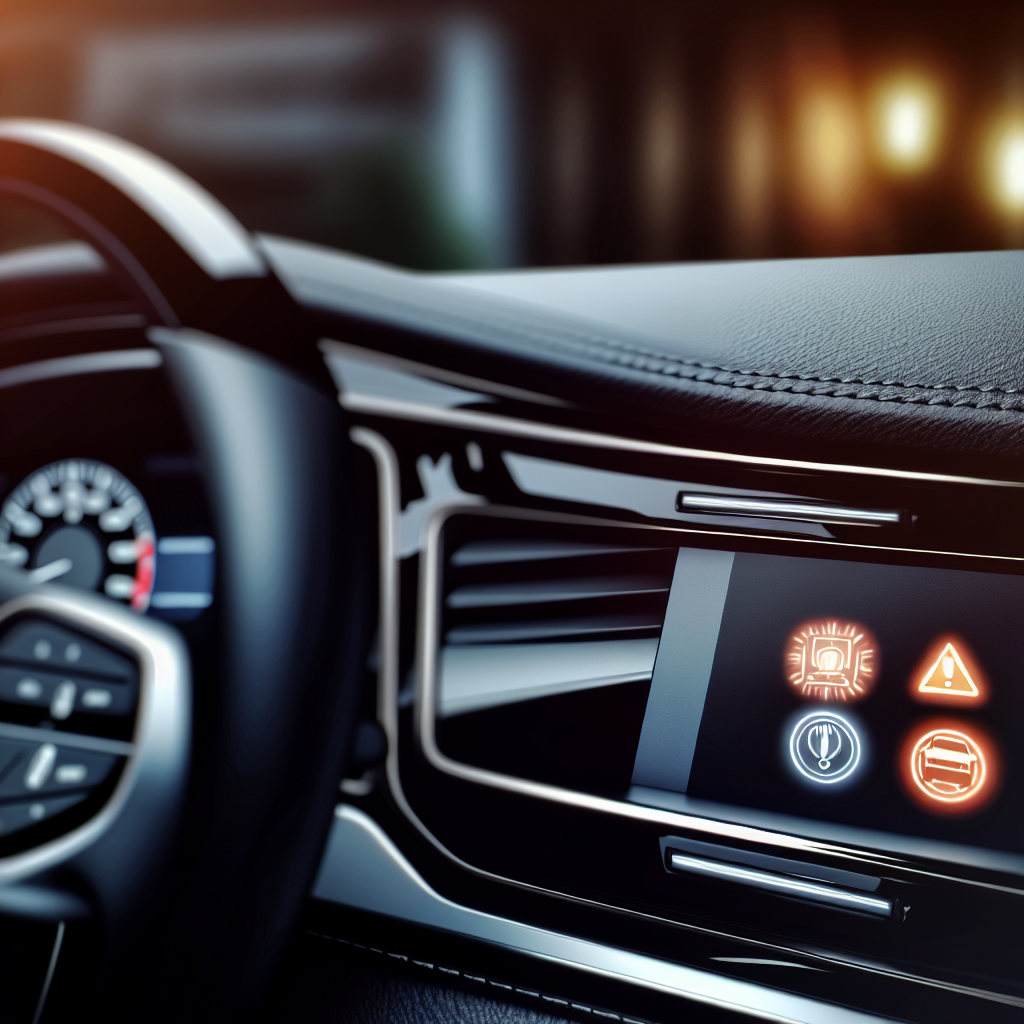
Routine car maintenance is often overlooked, yet it plays a crucial role in ensuring the longevity and efficiency of your vehicle. Neglecting even the most minor aspects of maintenance can lead to serious and costly repairs down the road. Imagine facing a substantial repair bill because you ignored that slight engine noise or the illuminated check engine light. Maintaining your car is not just about keeping it running; it is about safeguarding yourself against unexpected expenses and ensuring your safety on the road.
In this article, we will explore some of the common mistakes drivers make when it comes to car maintenance. From overlooked warning signs to missed service appointments, these pitfalls can lead to significant issues if not addressed early. Stay tuned as we uncover these costly oversights and how to avoid them, ultimately keeping your car in tip-top shape and your wallet intact.

Common Mistakes in Car Maintenance
Many drivers make mistakes with car maintenance that can lead to costly repairs and unsafe conditions. Here are some common errors to be aware of:
-
Ignoring Warning Lights:
Many drivers overlook warning lights on their dashboards. Ignoring a check engine light can lead to major engine issues. As one expert puts it, “Driving just a few more miles with warning lights blazing is how perfectly good engines end up as scrap.” -
Skipping Oil Changes:
This mistake can cause engine failure. Not changing your oil regularly can cause your engine to run dry. Skipping maintenance may seem like saving money, but “until your savings show up as a blown engine, ruined tires, or a roadside breakdown.” -
Neglecting Tire Pressure:
Proper tire maintenance is essential. Tires that are under or over-inflated can create unsafe driving conditions and reduce fuel efficiency. According to Popular Mechanics, “Over 80% of vehicles on the road have at least one underinflated tire.” -
Failing to Replace the Timing Belt:
This oversight can cause severe engine damage. Many drivers delay replacing this critical part. “Letting your timing belt go unchecked is a gamble that can lead to a blown engine.” -
Ignoring Brake Maintenance:
Not servicing your brakes can lead to costly repairs and compromise safety. Consumer Reports notes, “Neglecting brake maintenance is not just costly; it’s a hazard on the road.” -
Using Incorrect Fluids:
Using the wrong type of oil or coolant can damage components over time. Remember, “The right fluids matter; the wrong choices can lead to severe engine failure.” -
Neglecting Routine Inspections:
Skipping regular checks invites problems. Ignoring recalls and Technical Service Bulletins (TSBs) is like refusing free insurance against known issues. “Ignoring recalls and TSBs is like refusing free insurance against problems your car is already known for.”
By avoiding these mistakes and being proactive about vehicle maintenance, you can save yourself unnecessary expenses and ensure your safety on the road.
While the costs of regular car maintenance can seem burdensome at first glance, they pale in comparison to the financial repercussions of neglecting such upkeep. According to AAA, basic maintenance services like oil changes typically range from $20 to $75. In contrast, failing to perform these routine procedures can lead to catastrophic failures, costing anywhere from $4,000 to $8,000 for engine repairs.
The average annual investment for responsible vehicle maintenance is approximately $500 to $700, whereas neglect could incur major repair expenses averaging between $2,000 and $4,000 each year. Statistics from Consumer Reports reveal that for every $1 spent on preventive maintenance, car owners can expect to save $3 to $5 on future repairs, reinforcing the notion that investing in routine checks is not merely an expense, but a strategy for long-term financial savings.
The Benefits of Maintaining a Vehicle Maintenance Log
Keeping a detailed maintenance log for your vehicle is one of the simplest yet most effective strategies for ensuring its longevity and performance. Here are some benefits and methods for maintaining such a log:
Benefits of a Maintenance Log
- Improved Troubleshooting: A well-documented log allows for effective troubleshooting by providing a clear history of repairs, services, and any recurring issues. This information aids mechanics in diagnosing problems more quickly and accurately, potentially saving both time and money during visits to the shop.
- Cost Savings Over Time: By tracking all maintenance activities, including routine service intervals and unexpected repairs, you can identify patterns that may lead to costly breakdowns. According to AAA, maintaining a log can extend the life of the vehicle and prevent duplicative services, ultimately reducing expenses significantly. Statistically, investing in preventive maintenance can save car owners between $3 to $5 for every dollar spent.
- Enhanced Resale Value: If you ever plan to sell or trade your vehicle, a comprehensive maintenance log can enhance its value. Potential buyers are likely to pay more for a well-documented vehicle that demonstrates consistent care rather than a neglected one.
- Warranty Compliance: Many vehicle warranties require proof of regular maintenance to remain valid. Keeping a detailed log ensures compliance with these requirements, giving you peace of mind and protection against unexpected repair costs.
Methods for Keeping a Maintenance Log
- Paper Logbook: One of the simplest methods is using a physical notebook to jot down entries after each service appointment. Be sure to include the date, mileage, services performed, and costs.
- Digital Spreadsheets: For those who prefer a digital approach, simple spreadsheets can be used. They allow for easy tracking, sorting, and calculating of maintenance costs and schedules.
- Dedicated Apps: Numerous apps are designed specifically for vehicle maintenance tracking. These applications can remind you when services are due, track costs, and even provide service history in a user-friendly format.
Maintaining a vehicle maintenance log is no small task, but its benefits are manifold. Not only does it save money and time, but it also contributes to the overall safety and reliability of your vehicle.

| Maintenance Task | Average Routine Cost | Potential Repair Cost If Ignored |
|---|---|---|
| Oil Change | $20 – $75 | $4,000 – $8,000 |
| Tire Rotation | $20 – $50 | $500 – $1,500 |
| Brake Inspection | $30 – $100 | $1,000 – $3,000 |
| Timing Belt Replacement | $200 – $900 | $2,000 – $5,000 |
| Fluid Replacements (e.g., coolant, transmission fluid) | $50 – $150 | $1,000 – $3,000 |
| Battery Replacement | $100 – $200 | $200 – $1,000 (if leads to further issues) |
| General Inspection | $50 – $150 | $500 – $1,500 |
| Air Filter Replacement | $20 – $50 | $100 – $300 (if neglected) |
“Skipping maintenance feels like saving money, until your savings show up as a blown engine, ruined tires, or a roadside breakdown.”
With this in mind, it is essential to recognize that the importance of regular maintenance cannot be overstated. Neglecting your vehicle’s needs can result in dire financial consequences that far exceed the costs of routine checks. In the long run, taking the time and effort to maintain your car is an investment in safety and reliability. We hope the insights provided above will encourage all drivers to adopt a proactive approach to vehicle care, thereby ensuring a secure and smooth journey on the road ahead.
In conclusion, routine maintenance is not just a suggestion; it is a crucial aspect of responsible vehicle ownership that keeps both your car and your finances in check. Remember that small, proactive steps can prevent significant problems down the line. Take a moment to reflect on your own maintenance practices: Are you due for an oil change? Have you checked your tire pressure lately? We encourage you to take action today—schedule that maintenance check, or at least take a few minutes to inspect your vehicle for any signs of neglect. Prioritize your safety and the longevity of your vehicle; it will pay off in the long term.
Commonly Overlooked Maintenance Tasks
Many drivers often overlook essential car maintenance tasks that can lead to severe consequences if left unattended. Here, we summarize some of the most commonly forgotten maintenance actions based on insights from automotive experts:
-
Cabin Air Filter Replacement: This task is frequently neglected, yet it plays a crucial role in ensuring good air quality inside the vehicle. Failure to replace it can result in poor air circulation and reduced performance of the AC system, potentially leading to costly repairs.
- Potential Cost of Repair: Issues such as AC compressor failure can run into several thousand dollars if the air filter is not properly maintained.
-
Timing Belt Changes: Mechanics stress the importance of replacing the timing belt at recommended intervals to avoid catastrophic engine damage. Neglecting this can result in engine failures that require repairs exceeding $3,000.
- Average Cost: A new timing belt generally costs $200 to $900 but failing to change it can lead to much costlier repairs.
-
Brake Fluid Flushes: Neglecting brake fluid maintenance can lead to corrosion in brake systems, resulting in potentially dangerous brake failures.
- Neglect Cost: Replace brake systems can cost around $1,500 to $3,000 depending on severity.
- Coolant System Maintenance: Regularly flushing the coolant system prevents overheating and engine damage. If ignored, this can lead to serious engine issues, such as head gasket failures, with repair costs soaring over $2,000.
- Power Steering Fluid Changes: Mechanics note that power steering fluid should not be neglected. Failure to change it can lead to system failures, which can be expensive to repair.
-
Fuel System Cleaning: A dirty fuel system can decrease performance and fuel efficiency. Regular cleaning can save vehicle owners money in the long run by ensuring efficient combustion.
- Potential Neglect Cost: Poor fuel economy can dramatically increase fuel costs over time.
Conclusion
By actively remembering and tending to these maintenance tasks, drivers can avoid significant repair costs and enhance their vehicle’s safety and performance. Setting regular reminders or using maintenance log apps can help ensure these tasks are not overlooked. Proactive maintenance not only extends the life of the vehicle but also ensures optimal functionality, providing peace of mind on the road.
The Psychological Comfort of Regular Maintenance
Regular vehicle maintenance does much more than keep your car running smoothly; it provides drivers with a sense of psychological comfort and safety. Knowing that your vehicle is well-maintained can alleviate the stress associated with the uncertainties of the road. Here are a few relatable scenarios that highlight how regular maintenance contributes to peace of mind:
- Commute without Worry: Imagine you are driving to an important meeting or picking up a loved one from the airport. The last thing you want is to be sidetracked by the fear of a car breakdown. When your vehicle undergoes consistent maintenance, you are less likely to encounter unexpected issues, allowing you to focus on the task at hand instead of worrying about potential car troubles.
- Family Road Trips: Families often look forward to vacations and road trips. Knowing your vehicle has been recently serviced can make the difference between enjoyment and anxiety. If parents understand that their vehicle is in top condition, they can focus on creating lasting memories rather than fretting about whether the engine will overheat or the brakes will fail.
- Everyday Errands: Regular maintenance fosters a sense of reliability that extends beyond long trips. When your car is well-maintained, simple activities like grocery shopping or heading to work become more manageable. You can concentrate on your errands instead of being constantly aware of how your car is performing or if it will start the next time you turn the key.
- Emergency Situations: Life is unpredictable. In times of emergency, when you need your car the most, a well-maintained vehicle offers safety and reliability. Knowing that your car has been properly cared for can enable you to respond to emergencies with confidence.
- Avoiding Financial Anxiety: Car repairs can often lead to significant financial strain. Regular maintenance can prevent costly repairs and the stress that comes with them. When drivers know they are taking the right steps to protect their investment, it reduces anxiety related to car ownership.
Overall, the peace of mind that comes from knowing your vehicle is dependable cannot be overstated. With regular maintenance checks, you minimize the risks of roadside troubles and can fully enjoy the journeys you embark upon, knowing you are well-prepared for any occasion.
Understanding the Importance of Car Maintenance
In this section, we will delve into why regular car maintenance is not only essential for the longevity of your vehicle but also for your safety and financial well-being. We will discuss the common mistakes drivers make and how to avoid them, ensuring you stay informed and proactive about your vehicle’s care.
Understanding the Importance of Car Maintenance and Vehicle Safety Tips
In this section, we will delve into why regular car maintenance is not only essential for the longevity of your vehicle but also for your safety and financial well-being. We will discuss the common mistakes drivers make and how to avoid them, ensuring you stay informed and proactive about your vehicle’s care. Regular inspections and maintenance checklist can keep you on the safe side.
Key Takeaways
To summarize the crucial points regarding vehicle maintenance in this article:
- Regular maintenance can significantly reduce repair costs and prevent major issues.
- Ignoring common warning signs can lead to catastrophic failures and unexpected expenses.
- Keeping a maintenance log aids in tracking repairs and service intervals, which can enhance your vehicle’s longevity.
- Proactive maintenance not only protects your car but also ensures safety and reliability on the road.