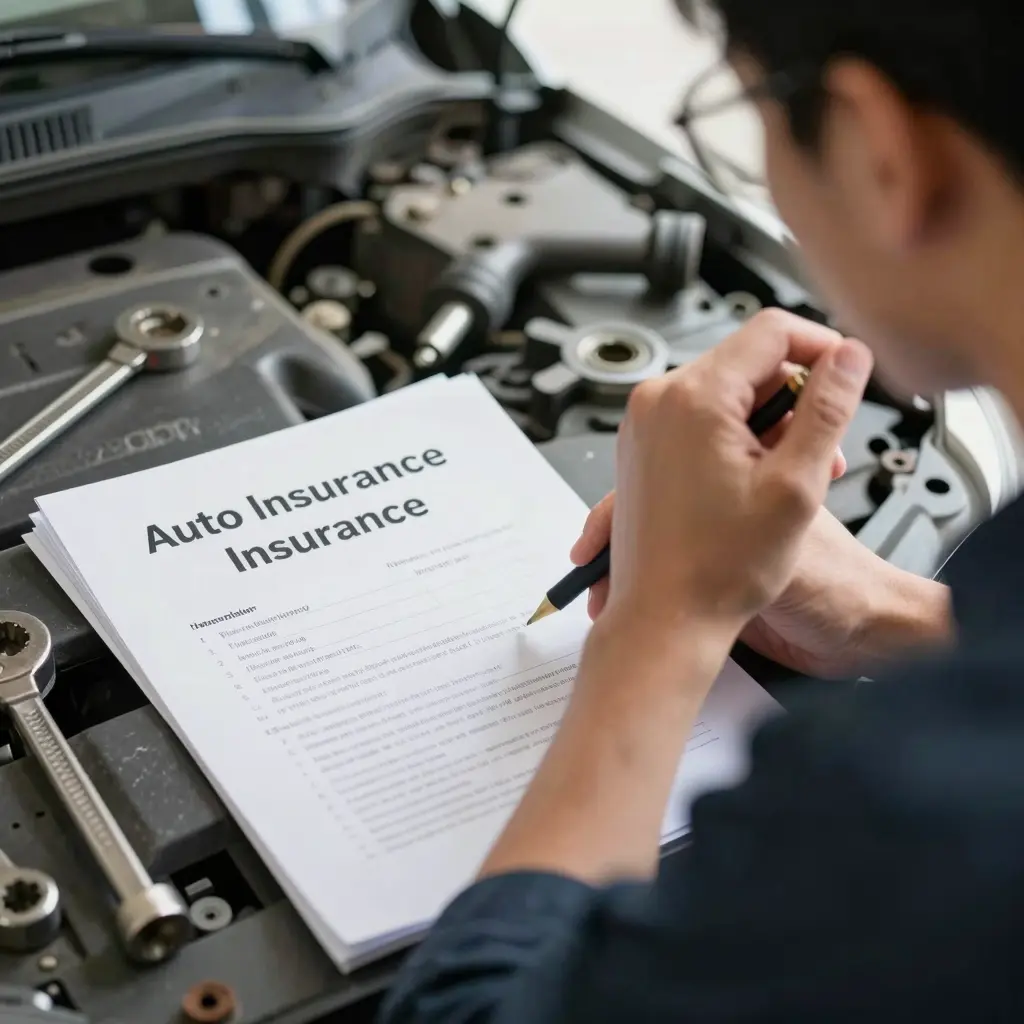
In an era where the cost of vehicle maintenance is soaring, every motorcycle and auto owner knows the sting of unexpected repair bills. From routine maintenance to major overhauls, keeping your vehicle in top shape can feel like a daunting financial burden. This is where auto repair insurance comes into play, offering a safety net against unforeseen expenses. Understanding how auto repair insurance works and its associated costs is essential for today’s vehicle owners. Not only can it help mitigate costly repairs, but it also provides peace of mind on the road. In the following sections, we will delve into the various factors influencing auto repair insurance costs, ensuring you’re well-equipped to make informed decisions about protecting your investment. If you’re looking to minimize your vehicle’s upkeep, consider reading our guide on common engine maintenance mistakes to avoid hefty fees down the line.
Factors Influencing Auto Repair Insurance Costs
Understanding auto repair insurance costs can feel overwhelming, but several key factors play a significant role in determining your premium. Here’s a friendly breakdown of what you need to consider:
1. Type of Vehicle
The make and model of your vehicle significantly influence repair insurance costs. For example, luxury vehicles or models known for frequent repairs often attract higher premiums. Insurers assess the average repair costs associated with your specific make and model. If you’re considering a new ride, do a little research to see how it impacts insurance before making your purchase!
2. Location
Where you live matters! Your geographical area can impact repair costs due to varying local labor rates and parts availability. For instance, urban areas may have higher costs due to demand and convenience. On the flip side, rural areas might enjoy lower rates, but they can also face challenges like fewer repair shops.
3. Driving History
Your driving record speaks volumes. Insurance providers want to see how responsible you are behind the wheel. If you have a track record of accidents or traffic violations, expect to pay higher premiums. Conversely, a clean driving record can lead to discounts and lower rates-bonus points for safe driving!
4. Coverage Levels
Different coverage options can significantly influence your insurance cost. Basic coverage may seem appealing because it’s cheaper, but it might not cover everything you need. For more extensive protection, including things like collision and comprehensive coverage, prepare for higher premiums. Evaluate your choices carefully to find the right balance.
5. Age and Gender
Believe it or not, age and gender can affect your rates, too! Statistically, younger drivers (especially males) potentially face higher premiums, viewed by insurers as higher-risk. If you’re new to driving, consider taking an approved driver safety course to possibly lower your costs.
6. Repair Costs
Lastly, the costs associated with potential repairs in your area can significantly influence insurance premiums. If your local repair shops charge a high price for parts and labor, expect that to be reflected in your insurance costs. It’s worth checking out local repair costs for peace of mind.
Conclusion
In summary, various factors, including the type of vehicle, location, driving history, and coverage levels, will shape your insurance premiums. A little knowledge goes a long way-stay informed, compare quotes, and don’t hesitate to ask your insurer about ways to save! Keep in mind that understanding these factors can be a stepping stone towards smarter financial decisions.
For more handy tips on managing your vehicle, check out our blog on common engine maintenance mistakes and how to unlock savings with DIY oil changes.
| Provider | Coverage Options | Average Price Range (Monthly) | Customer Satisfaction Rating (out of 5) |
|---|---|---|---|
| GEICO | Liability, collision, comprehensive, roadside assistance | $114 | 4.34 |
| Progressive | Liability, collision, comprehensive, roadside assistance, mechanical breakdown, rideshare | $130 | 3.9 |
| Liberty Mutual | Liability, collision, comprehensive, rental car reimbursement, lifetime repair guarantee | $158 | 4.1 |
Summary
This table compares three major auto repair insurance providers: GEICO, Progressive, and Liberty Mutual. Each offers various coverage options, with price ranges and customer satisfaction ratings that vary to suit different customer needs. Make sure to consider these factors when choosing an auto repair insurance provider.
For more tips on general auto maintenance, check out common engine maintenance mistakes.
Additionally, understanding your vehicle’s needs can also help save costs on services, which you can explore in our guide on DIY oil changes.
The Benefits of Having Auto Repair Insurance
Auto repair insurance offers a range of benefits that can significantly alleviate the financial burden of maintaining a vehicle. Here are some of the key advantages:
1. Cost Savings
One of the most compelling reasons to invest in auto repair insurance is the potential for substantial cost savings. According to recent statistics, common auto repairs can be quite expensive. For instance, the average cost of replacing a catalytic converter can range from $500 to $3000, while brake replacements typically cost between $300 to $800. Furthermore, routine oil changes can set you back anywhere from $30 to $100.
With auto repair insurance, these costs are often minimized, allowing you to pay only a small deductible instead of the full repair amount.
2. Peace of Mind
Navigating the complexities of auto repairs can be stressful. Auto repair insurance provides peace of mind, knowing that you are covered in case of unexpected breakdowns or damage. When issues arise, you won’t have to scramble to find the funds necessary for repairs; your insurance will handle many of the costs, ensuring that you can get back on the road quickly.
3. Access to Quality Repairs
Most auto repair insurance policies work with trusted repair shops and may even direct you to quality providers. This could save you the hassle of researching and comparing shops, ensuring that your vehicle receives high-standard services. By opting for insurance, you can be assured that certified mechanics will handle your repairs, maintaining the integrity and safety of your vehicle.
In summary, investing in auto repair insurance not only shields you from unexpected expenses but also enables you to drive with confidence, knowing that quality repairs are just a call away. To further enhance your vehicle maintenance knowledge, you may want to learn more about common maintenance mistakes that many vehicle owners encounter.

Common Misconceptions about Auto Repair Insurance
When it comes to auto repair insurance, many myths can lead to confusion and misunderstandings. Here’s a list of some common misconceptions along with clarifying explanations to help you navigate your insurance options with confidence:
-
You must use their recommended repair shop
Many believe they are required to go to a specific repair shop suggested by their insurance provider. In reality, you have the right to choose a repair shop that you trust. -
Insurance covers all repairs
It’s a common belief that every repair is fully covered by insurance. However, not all types of damage, such as wear and tear or specific exclusions, will be covered under your policy. -
Only luxury vehicles need premium repair services
Many think that only high-end cars require expensive repairs. The truth is, all vehicles, regardless of their value, can benefit from quality repair services when needed. -
Auto repair will significantly raise insurance premiums
While car accidents or significant claims can affect your rates, minor repairs typically do not have the same impact on your premiums. -
All equipment is included in coverage
Some people assume that all parts and equipment related to their vehicle are covered under insurance. However, there could be limitations, especially for aftermarket modifications or specialized equipment.
Understanding these misconceptions can help you make informed decisions regarding your car repairs and insurance coverage. For more tips on maintaining your vehicle and ensuring you’re making the best choices, you might find it useful to learn more about common engine maintenance mistakes and master your engine with essential car maintenance skills.

This chart summarizes the common myths about auto repair insurance and provides a visual reference for understanding these misconceptions.
User Reviews Summary for Auto Repair Insurance
Understanding customer feedback on auto repair insurance is crucial for prospective buyers, and recent reviews provide valuable insight into the satisfaction and dissatisfaction trends among users.
Overall Satisfaction Trends
Based on the analysis of user reviews and surveys from reputable sources, here are some key findings:
- Claims Processing: One of the most valued aspects of auto repair insurance is timely and efficient claims processing. Insurance companies that provided clear communication throughout the claims process received higher satisfaction ratings. For instance, a study highlighted that NJM Insurance Group was recognized for their superior claims handling, which greatly enhanced customer satisfaction.
- Repair Choices: Users appreciate the flexibility to choose their own repair shops, which allows them to maintain a sense of trust in the repair process. Insurance providers like Amica have emphasized this option, leading to positive feedback from their clientele.
- Communication: Regular updates and effective communication were recurrent themes among satisfied customers. Insurers that utilized digital tools for claim updates saw a noted increase in customer trust and satisfaction.
Points of Dissatisfaction
While many reviews were positive, several areas of dissatisfaction emerged:
- Complex Claims Processes: Users commonly cited frustrations with the complexity and length of the claims process, leading to delays in repairs. The J.D. Power survey indicated that while some insurers improved in processing times, the concerns regarding overall customer experience remained.
- Premium Increases: Customers are often unhappy with abrupt increases in premium costs, particularly after filing a claim. This dissatisfaction reflects broader trends as insurance premium hikes put pressure on customer loyalty and confidence.
Conclusion
In summary, while many customers report high levels of satisfaction with their auto repair insurance, especially regarding claims handling and repair choice flexibility, persistent issues with complex claims processes and premium hikes are notable pain points. As prospective buyers evaluate their options, understanding these trends can guide them toward making more informed decisions regarding their auto repair insurance choices. For more tips on maximizing your auto care and understanding maintenance needs, explore our guide on common engine maintenance mistakes.
“Understanding your auto repair insurance coverage is crucial not just for making informed decisions about repairs, but also for ensuring that you are not caught off guard by unexpected costs. Each quote varies based on numerous factors, and familiarity with these can save you from potential financial strain.” – Expert Auto Insurance Consultant
This quote emphasizes the significance of comprehending the nuances of auto repair insurance, enhancing the authoritative tone of your article.
Additional Information:
For a deeper exploration of this topic, check out this article on auto insurance tips which discusses how personal and vehicle factors can impact your insurance costs.

| Vehicle Type | Average Repair Cost (2023) |
|---|---|
| Cars | $500 |
| SUVs | $600 |
| Trucks | $650 |
| Motorcycles | $400 |
Overview
In 2023, average repair costs vary significantly by vehicle type. Cars incur an average repair cost of $500, while SUVs average around $600. Trucks, being heavier and often more complex, can reach an average of $650 in repair costs. Motorcycles, generally cheaper to maintain, average about $400. Understanding these figures can greatly benefit vehicle owners and insurance purchasers alike as they assess their auto insurance needs. For more insights, consider Mastering Your Engine: Essential Skills Every Driver Should Know to keep your vehicle in top shape.
Conclusion
In conclusion, understanding the costs associated with auto repair insurance is crucial for both motorcycle and auto owners. Not only does it help mitigate the financial burden during repair situations, but it also provides peace of mind knowing that you are covered in case of unexpected damages. From the previously discussed statistics, we highlighted how motorcycle insurance can be more affordable compared to standard auto insurance, with rates often 76% lower, underscoring the importance of having adequate coverage to manage repair expenses effectively. Furthermore, adequate auto repair insurance ensures that both car owners and repair shops can maintain a seamless service experience, as insurance helps facilitate timely repairs without a significant financial setback.
As you consider your options, we encourage you to take a closer look at your current coverage and contemplate enhancing your auto repair insurance. If you’re looking for high-quality auto parts that support your needs, make sure to reach out to Summit Fairings, where we are dedicated to providing premium products with outstanding customer support. It’s time to safeguard your ride and your wallet – start your journey with Summit Fairings today!