

Maintaining your vehicle’s paint is crucial for both aesthetics and protection. Motorcycle and auto owners alike may face minor to severe scratches that compromise their ride’s appearance and value. Understanding how to repair these damages can save you money and time, allowing you to restore your vehicle’s beauty in a few simple steps. In the following chapters, we will explore effective repair methods tailored to various levels of scratches, from minor clear coat blemishes to deep, exposed metal. Each chapter will guide you through specific techniques and important considerations, empowering you to tackle paint repairs with confidence and expertise.
Restoring the Surface: Mastering Minor Clear-Coat Scratches on Auto Paint
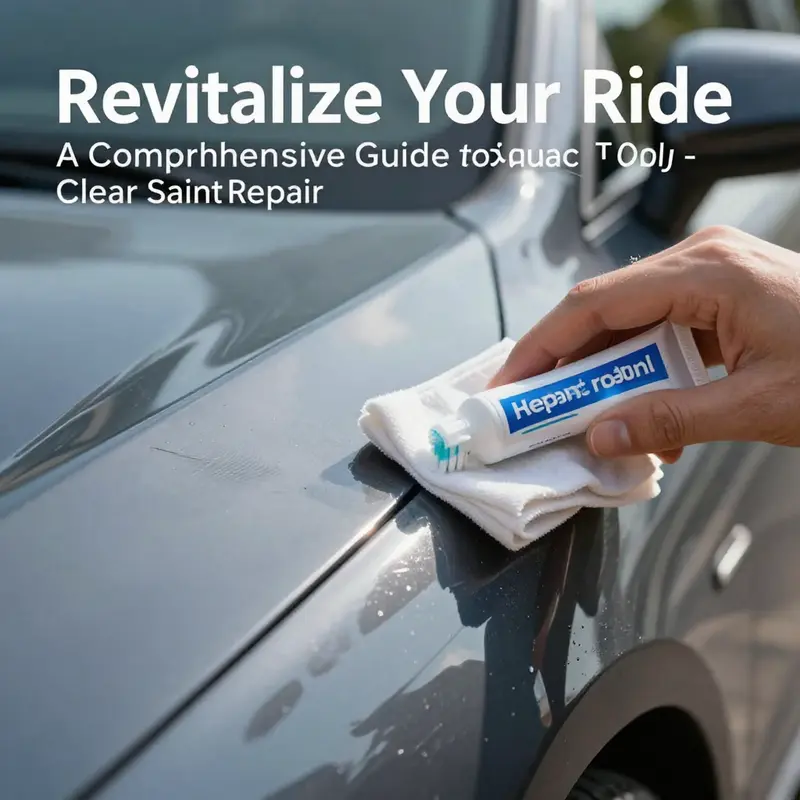
Every car owner eventually faces the small, stubborn realities of vehicle ownership: a hairline scratch here, a dull spot there, a reminder that even the most pristine finish isn’t invincible. When the damage is shallow and confined to the clear coat, the repair can be both practical and satisfying. It won’t fix a gouge into the color layer or expose bare metal, but it can restore gloss, even out the appearance, and protect the underlying paint from the elements for another season. The key is understanding what counts as a minor scratch, choosing a method that respects the integrity of the clear coat, and applying technique with patience rather than force. This chapter walks you through a cohesive, at-home approach that blends careful prep, a choice of methods, and thoughtful protection so the repair blends seamlessly with the surrounding finish.
Clear-coat damage is often cosmetic rather than structural. The clear coat sits above the colored base, serving as a protective layer and a medium for gloss. When a scratch is shallow enough not to breach that base—meaning you can’t feel a groove or see color beneath—the repair tends to be straightforward. Yet even within that seemingly narrow category, there are nuances. Some scratches are so light they appear only as a loss of luster; others read as fine lines with a slight surface roughness. The distinction matters because it guides how aggressively you should treat the area and how much preparation you need before you seal the finish again. The goal is not merely to erase a mark but to restore the light-reflecting properties of the paint so it looks as if the scratch never happened. For a detailed, step-by-step reference, you can consult the broader guide on How to Repair Auto Paint Scratches, which aligns closely with these practical steps and offers additional context for more complex scenarios.
Begin with the simplest truth: start clean. Dirt and contaminants can grind the repair to a halt, creating new micro-scratches or dulling the gloss you are trying to restore. A gentle, pH-neutral car shampoo is ideal for detaching road grime without attacking the finish. Wash the area around the scratch with care, ensuring you don’t miss the edges where debris tends to accumulate. Rinse thoroughly and dry with a soft microfiber towel. The goal is to leave a perfectly clean, dry canvas. Any residual moisture can dilute polishing compounds or wax, and lingering grit can embed itself into the clear coat as you rub. If residue remains, a second gentle wipe with a clean, damp microfiber helps, followed by a final pat dry with a dry section of the towel. This level of prep reduces the risk of introducing new scratches during the repair and ensures the subsequent steps work as intended.
Once the surface is pristine, you face a choice that hinges on your tools, your comfort with abrasives, and the extent of the scratch. For many people, polishing with a fine compound offers the most reliable path to a near-perfect finish. The principle is straightforward: a precise, micro-abrasive compound lightly removes a tiny amount of the clear coat, smoothing micro-roughness and evening out the tiny micro-scratches that are responsible for the hazy appearance. The key is to use a high-quality, fine-grade product designed for automotive paint and to work in small sections. If you have a dual-action (DA) polisher, you can deliver a uniform finish with less effort and a lower risk of creating heat-induced hazing. A clean, soft foam applicator pad on a DA polisher or by hand on a high-quality soft cloth helps you maintain even pressure and steady motion. Work the area with light pressure, keeping the pad moving to avoid concentrating friction in one spot. Treat the scratch from multiple angles—overlapping strokes in a crosshatch pattern helps ensure even abrasion. The objective is not to grind aggressively but to fade the scratch into the surrounding gloss gradually, leaving a consistent shine and clear reflection.
As you polish, periodically wipe away residue with a fresh microfiber to inspect progress. You should be able to see the scratch gradually disappear or at least become far less noticeable as the gloss returns. If the scratch is truly shallow and the clear coat is intact, you’ll notice an even, glassy surface with the light catching across the panel rather than skimming off in a way that accentuates a mark. If you stop too soon, you may leave a slight dull patch that catches light differently; if you press too hard, you risk thinning the clear coat more than intended and creating a new set of micro-scratches. Patience is the operating principle here. Allow the finish to cool between passes if you notice any warmth building up in the surface—heat can cause the clear to behave unpredictably and complicate the correction. After you’re satisfied with the level of gloss and the diminished presence of the scratch, wipe away any leftover compound with a clean microfiber and assess under bright, raking light. The objective is to have the repaired area reflect light in the same way as the surrounding paint, with no obvious boundary line where the scratch used to be.
If a polisher or compound isn’t available, or if you simply prefer a more conservative approach, a dedicated scratch removal wax or paste can be a practical alternative. These products incorporate fine abrasives that gently abrade the surface while also filling very fine micro-scratches for a momentary smoothing effect. The technique remains simple and forgiving: apply a small amount directly onto the scratch, then rub in a circular motion with a clean, soft cloth. Maintain steady pressure and continue for several minutes, allowing the product to work into the micro-scratches without pushing too aggressively. Once you observe a more uniform sheen, wipe away the excess with a clean cloth. This method is less aggressive than polishing and generally safer for beginners, but it may require a couple of applications to achieve a perfectly even look. In some cases, you’ll notice the wax or paste diminishes the appearance of the scratch primarily by masking the irregularities, rather than removing material. When you shine a bright light over the area, you should still see a consistent surface—an indicator that the underlying clear coat and its alignment with the base coat are intact.
There is also the option of an emergency toothpaste fix for delicate situations where you need a quick, temporary improvement. This is not a long-term repair strategy, but it can be surprisingly effective for minor, superficial wear on the clear coat. Use a white, non-gel toothpaste with mild abrasives, placed on a damp microfiber pad. Gently rub the toothpaste into the scratch in a circular motion for two to three minutes. Rinse away the paste with clean water and dry the area completely. The mild abrasive in toothpaste subtly buffs the surface, smoothing micro-abrasions and restoring a bit of clarity. After performing this quick fix, you should still commit to a proper polishing or wax session to secure the finish. Toothpaste is best viewed as a bridge between the scratch’s appearance and a more durable, lasting solution.
Regardless of which method you choose, finishing the repair with a protective layer is essential. The clear coat’s purpose after all is to shield color and depth from UV exposure, moisture, and minor hazards. After you have achieved the desired repair, apply a fresh layer of high-quality wax or a protective sealant over the entire panel or at least the repaired area. A proper wax adds depth to the paint, enhances water beading, and helps resist the emergence of new micro-scratches in the short term. If you’re considering longer-term protection, a ceramic or polymer sealant can provide extended gloss and a tougher barrier against the elements. The goal is to lock in the corrected surface and preserve the finish so that the repair endures through routine washing and everyday use. It’s worth noting that sealants and ceramic coatings require proper curing time, so follow the product instructions for application windows and curing conditions to avoid trapping moisture or dust under the coating.
As you wrap up, there are practical considerations that should guide your hands and decisions. First, avoid over-polishing. Each polishing session removes a thin layer of clear coat, albeit a minuscule amount, and repeated polishing in the same spot over the years can thin the coating enough to make future repairs more challenging. If you are not confident about the depth of the scratch, it’s prudent to test on a small, inconspicuous area first to gauge how the finish responds before proceeding across the panel. Second, if the scratch seems deeper than a surface-level clear coat issue—if you can feel a groove or if you can catch the color beneath—the repair approach changes. Polishing will not fix a scratch that has breached the base coat. In such cases, you should consider more targeted methods such as touch-up paint followed by clear coat, or seek professional assistance to ensure color matching and a seamless blend. Third, the nuances of special paints matter. If your car features pearl, metallic, or other specialty finishes, DIY repairs are more likely to disappoint. The reflective depth and the way light interacts with metallic flakes can be disrupted by even small mismatches in texture or gloss. In these scenarios, professional restoration or repainting fragments may be the wiser course to achieve a flawless result.
A final note about timing and process flow ties back to the broader objective of repairing auto paint with minimal risk. In practice, the repair is most reliable when you address it promptly. Moisture and water ingress are enemies of unfinished repairs; if you expose a repaired area to rain or heavy washing too soon, you can trap contaminants beneath a wax layer or disrupt freshly applied compounds. Therefore, it is prudent to wait until the area is fully cured and the protective layer has begun to set before subjecting it to high-pressure washing or aggressive cleaning. The guidance here echoes the broader principle: early intervention protects your investment and reduces the likelihood of rust formation later. If any doubt remains about scratch depth or finish compatibility, consult the reference guide linked earlier. That resource consolidates best practices and helps you calibrate expectations for different scratch severities and paint types.
In sum, minor clear-coat scratches are thoughtfully repairable at home when you approach them with clean surfaces, appropriate products, and measured technique. By cleaning thoroughly, selecting a polishing or wax-based method aligned with your skill level, and finishing with a protective layer, you can restore the panel’s gloss and unity with the adjacent finish. The most important thread running through this process is balance: you want enough abrading to smooth micro-scratches but not so much that you erode the protective clear coat. With this mindset, your car’s finish can return to its former luster, maintaining its depth and clarity while preserving the underlying color for the long haul. Remember that for more complex finishes or uncertain depths, professional guidance remains a prudent option, especially when color accuracy and flawless blending are critical to the aesthetic and resale value of the vehicle.
Internal link note: If you’d like to explore a detailed, step-by-step sequence and see how professionals approach similar scenarios, refer to the broader guide linked earlier: How to Repair Auto Paint Scratches.
Revealed Color, Restored Shine: A Thorough Walkthrough for Moderate Scratches on Auto Paint
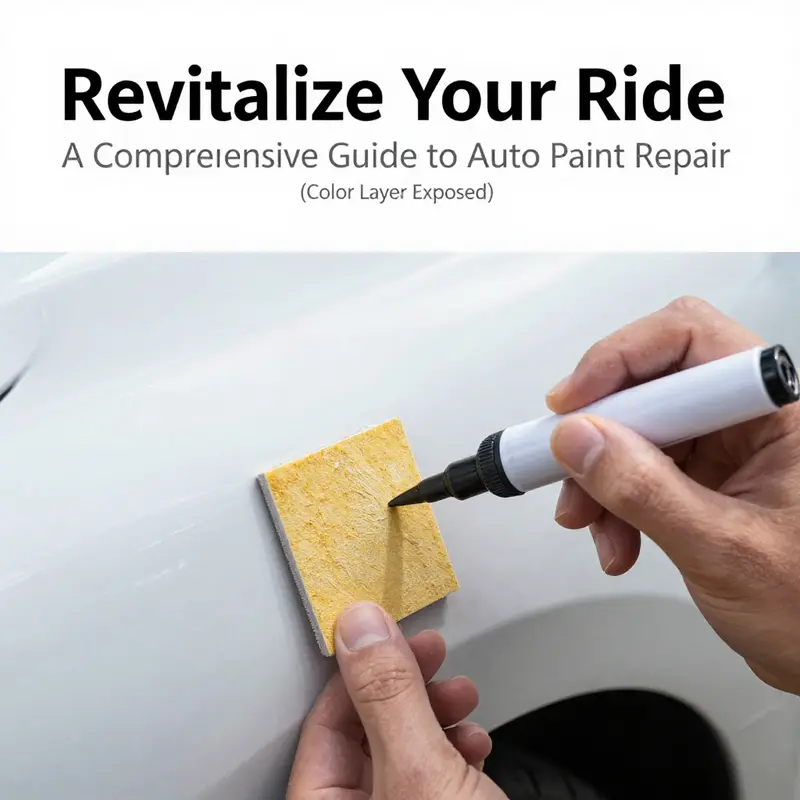
A scratch that breaks through the clear coat and exposes the color layer is a different animal than the tiny surface hairlines that often vanish with a little polish. These moderate scratches create a visible line or blemish that reminds you the paint beneath has been kissed by the world and that the shield protecting it—the clear coat—has yielded just enough to reveal a swath of color. In practical terms, this means you are dealing with more than a simple wipe of abrasives or a dab of filler. You are navigating a precise repair that sits at the intersection of careful technique, color matching, and long-term protection. The goal is not merely to hide the scratch but to blend it so that the repaired area reads as a seamless part of the panel when the light hits it at normal angles. The method outlined here balances do-it-yourself accessibility with the need for patient, incremental work. It respects the color and finish beneath the surface while acknowledging that metallics, pearls, and two-stage paints complicate color matching. For those reasons, moderate scratches require a staged, meticulous approach: thorough cleaning, feathered edge preparation, careful application of color, prudent finishing, and a final seal that makes the repair indistinguishable from the surrounding paint to the casual observer.
The journey begins with a clean slate. Dirt, grease, and wax residues are more than unsightly nuisances in this context. They can prevent adhesion and create a hazy finish or an uneven edge when the new color is laid down. Start by washing the area with a mild car wash soap and warm water, using a soft microfiber wash mitt to avoid introducing new micro-abrasions. Rinse thoroughly, then dry completely with a separate microfiber cloth. It may help to inspect the area in a bright light or a sun glare to understand exactly how the scratch sits in relation to the surrounding panels. If you detect any wax or sealant buildup around the scratch, remove it with a dedicated cleaner or a gentle solvent, and rewash the area. A clean, dry surface reduces the risk of trapping grit that could ruin the feathering process or leave behind rough edges once the paint is applied.
With the surface clean, the next critical phase is edge preparation. A common mistake in the repair of moderate scratches is to over-sand or to neglect feathering. The idea is to create a smooth transition between the damaged area and the untouched surrounding paint, so that the repair visually dissolves rather than stands out. Use a fine wet/dry sandpaper—typically 2000-grit—and dampen it with water. Hold the sandpaper gently, and work along the scratch’s edges in a light, circular motion. The aim is not to remove substantial material but to ease any raised edges or roughness that come from the scratch. If you can feel a defined ridge along the scratch, feathering is doing its job. The practice of feathering ensures that the new color coats you apply later will blend into the existing color rather than terminate abruptly at the boundary. Throughout this step, keep the area well lubricated with water so that the sanding remains smooth and controlled. A common sign of over-sanding is a visible dip or a loss of paint beyond the immediate scratch; if that happens, back off and reassess, because you are now altering the panel regardless of good intentions.
When the edges are feathered to satisfaction, you are ready to apply the color. The most reliable option for a scratch that penetrates the color coat is a touch-up paint pen that matches your vehicle’s precise paint code. The color code is usually found in the owner’s manual, a sticker inside the drivers’ door jamb, or sometimes on the trunk lid or firewall in certain models. If there is any doubt about the color match, don’t force a color that’s close; a mismatch becomes obvious under sunlight or cloud-light and undermines the repair’s credibility. Shake the touch-up pen vigorously for a full 30 seconds to mix the pigment, resin, and solvent. Hold the pen perpendicular to the panel and apply a thin, even layer directly over the scratch. The first coat should be light—think a translucent wash rather than a dollop of paint—so that you minimize the chance of runs or pooling. Let each coat dry for 5 to 10 minutes before applying the next. The goal is to build up to the level of the surrounding paint without creating thickness that alters the panel’s contour or gloss. It can take several light coats to reach color depth and initial coverage, especially if the scratch has exposed more of the color layer than a superficial area.
As you lay down additional coats, you’ll face another delicate aspect: the finish’s texture and the edge’s sharpness. If the feathering accomplished in the prior step created a seamless transition, you should notice that the repaired patch starts to disappear when viewed from typical angles. Yet a subtle difference can still appear under direct light because the new paint may dry slightly differently than the original coating. To mitigate this, permit each coat to dry for the recommended interval, typically 5–10 minutes, and avoid rushing to the next layer. Rushing can trap solvents and create a hazy effect or micro-craters that catch the light differently. After the final coat has dried for the prescribed time, the scratch shouldn’t be a raised line but an even, uniform surface. If you observe any ridges on the surface after painting, you can perform a very light, controlled sanding with 2000-grit wet/dry paper and water to smooth the area. This is a delicate operation; you must keep the sanding motion minimal and stay within the area of the repaired paint to avoid changing the surrounding color’s contour.
With color applied and edges smoothed, the next phase is an important finishing step. A comprehensive finish involves more than simply applying another coat of clear; it requires careful flattening of the repaired layer to enable gloss to wrap naturally around the panel. Wait at least 24 hours for the color coats to cure fully, if the climate allows, before proceeding with any high-gloss finish. Once the final color layer has cured, you can begin a light, controlled wet sanding of the entire repaired area with 2000-grit paper. The goal here is not to remove color but to erase any minor orange-peel texture and to achieve a uniform plane for polishing. Keep the sanding strokes gentle and evenly distributed. After this step, buff the area with a high-quality polishing compound. The compound acts like a micro-level abrasive that removes slight haze and minor scratch marks left by sanding, while restoring the surface’s clarity. A clean microfiber cloth or a dedicated buffing pad works well for this stage, and you should work in small circular motions, gradually broadening the area you buff as the surface begins to read as smoother and more uniform.
The final flourish is a protective seal that helps the repaired section blend with the rest of the paint and resists future micro-scratches. A high-quality wax or sealant creates a barrier against moisture and contaminants, while also enhancing gloss. Apply a thin layer across the repaired patch and the surrounding area, and polish it out with a clean cloth until you see the surface reflect light evenly. The aim is not to make the repair feel obvious but to make it appear as though the color, brightness, and depth match the rest of the panel. If you’ve followed the feathering, painting, and polishing steps precisely, you should see a near-invisible repair that only a trained eye might notice under harsh lighting.
In all of this, there are a few crucial considerations that guide your choices and set expectations. Color matching, for example, is rarely perfect, especially with metallic or pearlescent paints. Metals and pearls reflect light differently than solid colors, which can complicate the appearance of a small repair. In some instances, even a professional repair may show a shade variance when viewed from certain angles. To minimize this risk, always test your color match on a small, inconspicuous patch first. If your vehicle uses a color with metallic or pearl properties, the complexity increases because metallic flecks can shift with movement and lighting. In those cases, DIY repairs are more likely to be unsatisfactory, and seeking professional assistance is a prudent choice. The same principle applies when the scratch is larger than a modest chip or when the color layer has been damaged over a broad area; in such scenarios, a professional shop with color-matching capabilities and controlled curing processes can produce a result that looks factory-finished.
Cost and time are practical considerations that influence your approach to moderate scratches. A DIY scratch repair kit costs a fraction of a professional repair and can be a viable option when the scratch is truly minor, the color match is straightforward, and you’re comfortable performing the steps with patient attention. Expect the DIY process to take several hours, spread across a day or two, allowing for proper curing times between coats and the final polishing. A professional repair for a single panel—such as a door, fender, or bumper—can range from a few hundred to well over a thousand dollars, depending on the paint’s complexity and the shop’s labor rate. The higher the complexity, the more reason you have to decide carefully whether the value of the repair justifies the cost. For larger or more intricate areas, or when the car’s overall finish earns its living in show-quality contexts, professional intervention is often the most reliable path to a seamless match.
An important note about the repair process is timing. Acting quickly after you notice a moderate scratch can help prevent the line from catching moisture and dust that can complicate the feathering and pigment blending. The bumper, side panel, or door edge is a frequent site for moderate scratches, and those areas are often more exposed to road grit and moisture than flat panels. If you catch a scratch early and follow a careful sequence of cleaning, feathering, color application, and finishing, you increase your chances of a repair that remains durable and visually cohesive as your car ages. It is also essential to avoid aggressive cleaning or high-pressure washing on or near the repaired area immediately after applying a color coat. Pressure can disturb fresh pigment and smoothings, undermining the careful feathering. If you must wash soon after a repair, do so gently by hand using mild soap and water, and never use a strong stream aimed directly at the repaired patch for at least a few days after application.
Throughout this process, it helps to view the task as a continuity of care, not a one-off fix. If you encounter a scratch that has penetrated the base coat in a way that makes it feel uncertain whether you’re repairing or repainting, this is where professional input becomes a wise investment. Some issues simply exceed the scope of DIY methods, particularly when the damaged area is large, the color is highly complex, or the car’s finish requires meticulous color-lab analysis and controlled curing conditions. In those cases, a body shop or dealership with established processes can deliver a result that looks integrated with the rest of the vehicle and stands up to environmental exposure for years to come.
If you want more detail on the step-by-step variations that can accompany different paint systems, you can explore a detailed guide on how to repair auto paint scratches. This resource provides a thorough walkthrough of the same fundamentals with additional context and images to help you visualize the feathering and color layering. For readers looking to expand their understanding without leaving the chapter’s practical focus, linking to that fuller guide can be a helpful extension: how-to-repair-auto-paint-scratches.
The best approach remains conservative, patient, and well-informed. Moderate scratches demand a measured hand and an eye for subtle differences in shade and gloss. While a DIY repair can be quite successful under the right conditions, not every scratch will yield to the same treatment. If the area is large, if the color is complicated or if the car’s finish includes metallic flake or pearlescent elements, the sensible course is to seek professional help. The line between a competent DIY fix and an imperfect patch is fine, and the cost of chasing a perfect match at home can sometimes exceed the value of the repair itself. In the end, the repair that truly respects the vehicle’s original luster is one that harmonizes color, texture, and depth without leaving telltale signs of the patchwork. The path you choose should align with the scratch’s size, the paint system’s complexity, and how visible the repaired area is to the casual observer.
External resource for deeper context: https://www.caranddriver.com/repair-tips
From Metal to Mirror: A Deep Dive into Repairing Deep Scratches When the Metal Shows
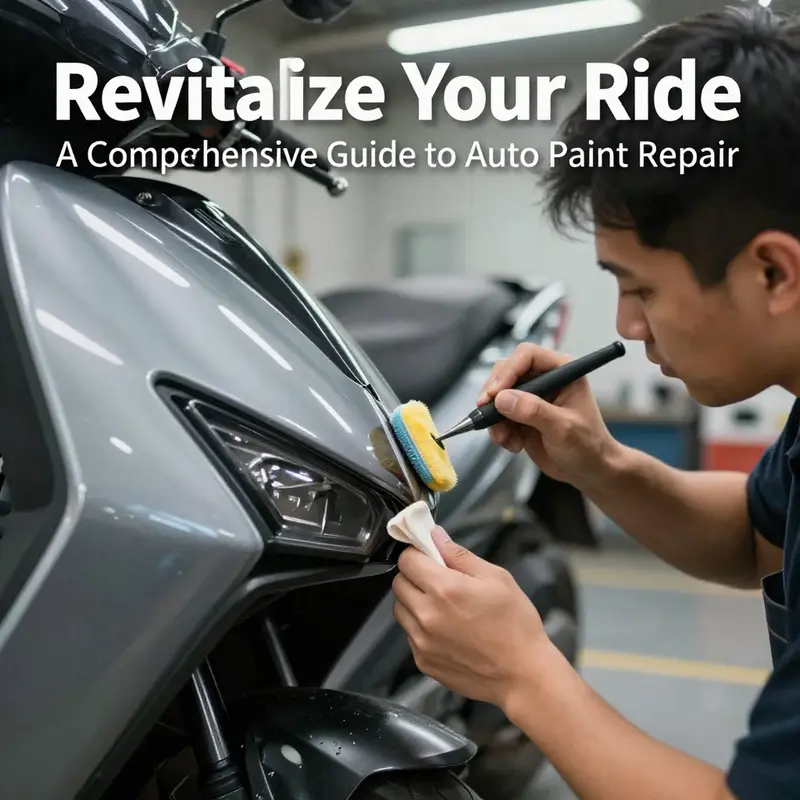
When a deep scratch breaks through the paint and reveals bare metal, the injury is no longer a simple surface blemish. It becomes a vulnerability that invites moisture, salt, and damp air to elbow their way into the metal underneath. The result can be more than cosmetic. Left unaddressed, that exposed metal starts a countdown to rust, which can spread under the coating and eventually undermine the structural integrity of the panel. This chapter moves beyond quick dab fixes and into a disciplined sequence of actions that protect the car’s body and restore the finish with lasting durability. The goal is not merely to hide the damage but to stop corrosion, recreate a uniform appearance, and extend the life of the paint job. The tension between speed and quality is real here, because deep scratches demand a careful approach that blends science with craft. If you treat the exposed metal as a temporary nuisance rather than a new beginning for a proper repair, you may save a little time today but pay for it later with rust spots, color mismatch, and a finish that peels away when the weather turns harsh. The steps described below reflect professional practices, but the underlying principles are transferable for a capable DIYer who understands the risks and limitations of working on metal that has lost its protective shield. This is more than a fix; it is a restoration mindset, a commitment to returning the panel to its original protection while maintaining the car’s value and appearance. As you read, keep in mind that the most important mood in this process is patience. Rushing through the steps is a common cause of poor adhesion, uneven color, and misaligned gloss. When the metal shows, every decision you make from this point forward should safeguard against moisture and promote a seamless blend with the surrounding paint. The fastest path to a durable finish is never the one that bypasses rust prevention or proper priming, even if it costs a little more time or money. The science of corrosion control is simple in concept but exacting in practice. The moment you see bare metal, your first obligation is to seal and protect that surface before any cosmetic work begins. A clean, dry, oil-free surface is nonnegotiable, because contaminants are the enemy of adhesion. A degreaser or isopropyl alcohol is typically used to wipe away oils and fingerprints that can undermine primer and paint. Once the metal is clean, a rust-inhibiting primer should be applied directly to the bare metal. This step, often overlooked by DIY attempts, is the cornerstone of preventing rust from entering the repair at the microscopic level. Zinc-rich primers or dedicated rust inhibitors provide an extra layer of protection that aligns with the metal’s natural tendency to oxidize. The primer acts as a barrier between moisture and the metal, while also promoting adhesion for the subsequent layers of paint. Without this barrier, moisture can seep into the tiniest pores of the metal, and any topcoat applied over an unprimed surface risks blistering, peeling, or accelerated corrosion. The primer does not just hide the damage; it creates a robust foundation for the color and clear layers that follow. The practical implication is straightforward: do not skip the rust-inhibiting primer, even if you see only a small area. In the long run, that single skip can turn a minor repair into a rust spot that spreads across a door or panel. The professional perspective underscores this. In a body shop or authorized repair facility, the process after rust prevention is meticulous and staged to ensure durability and color accuracy. The surface preparation begins with careful sanding of the edges that border the damaged area. Using progressively finer grits, typically starting in the 800–1200 range and advancing to 1500–2000 grit, the goal is to create a gentle transition between the repaired patch and the surrounding paint. The sanding is not about removing material but about shaping a feathered edge that accepts the primer, base coat, and clear coat evenly. Dust is removed with compressed air, and the surface is wiped again to ensure nothing interferes with adhesion. If there is a dent or a depression in the panel as a result of the scratch, body filler may be required to level the surface. The filler, once mixed and applied, is allowed to cure and then is sanded smooth to a seamless plane with the adjacent area. The idea is to restore the original geometry of the panel so that the repair is not just a colored patch but a real restoration of the body line, curvature, and contour. This step matters, because any misalignment becomes evident once light hits the finish at the right angle. After the surface is prepared and any filler is feathered, primer is applied again, this time to seal the area and enhance adhesion for the color coat. A self-etching or otherwise compatible primer ensures that the new paint adheres to the steel, aluminum, or other substrate beneath. Drying or curing of the primer is essential before color is added. The color matching phase is where modern technology makes a real difference. Modern vehicles often feature sophisticated factory paints, including pearls, metallics, or multi-layer finishes. In a professional setting, a computerized color-matching system is used to determine the exact shade of the vehicle’s original paint. The color is then applied in thin, even layers using a spray gun. The objective is not to cover the repair in a single heavy coat but to build up the color gradually, achieving uniformity with the surrounding panels. Multiple coats may be necessary, with time allowed between coats for proper drying. After the color coats are laid in, a clear coat is applied to protect the finish and restore gloss. The clear layer is not merely a cosmetic finish; it is a protective barrier that resists UV exposure, road grime, and minor abrasions. The sequence of painting and clear coating must be followed by a curing phase. In a professional environment, this may involve a bake oven or infrared curing that accelerates the hardening of the paint film. Proper curing is essential for achieving maximum hardness and optimal adhesion. After curing, the repair area is wet-sanded with very fine grit paper—typically in the range of 2000 to 5000 grit—to remove any imperfections and to smooth the transitions between the repaired zone and the adjacent paint. This delicate sanding removes raised edges and ensures a seamless boundary. The final step is polishing, which brings back the gloss and blends the repair into the rest of the panel. The polish removes the micro-microscopic scratches created during sanding and restores the depth and clarity of the paint. The objective is to produce a uniform, glassy appearance that is indistinguishable under normal lighting conditions from the surrounding finish. The entire process—from rust prevention to final polishing—demands patience and attention to detail. It is not unusual for technicians to spend several hours on this kind of repair, particularly if the area is large or if the car’s paint is an especially sensitive finish. For this reason, the decision to pursue a professional repair is not solely about immediate cost but about long-term value. The color match, the durability of the finish, and the risk of future rust are all weighed when choosing whether to DIY or engage a body shop. In this context, the caution about DIY repair grows louder. People who attempt to tackle deep scratches themselves often encounter a cascade of issues: color mismatch, visible seams, or irregular gloss that becomes obvious in bright daylight. For high-value or specialty paints, even a careful DIY approach can fail to achieve the factory look. The stakes are higher when the finish is pearl or metallic, where subtle reflections and color shifts depend on precise layering and curing conditions. The literature and professional guidance converge on a simple truth: the best results for deep scratches with metal exposure come from following a structured process that begins with rust prevention and ends with a carefully blended finish. If the scratch is on a highly visible area, such as a door or a hood panel, the temptation to rush the repair should be resisted. A thorough approach ensures the repaired area sits flush with the neighboring panels and has the same gloss, depth, and color as the rest of the car. The guidance here aligns with established automotive repair resources, which emphasize the importance of clean, dry surfaces, compatible primers, careful sanding, iterative coats, and proper curing. The emphasis remains on rust control, film adhesion, and color fidelity. This is not a process that thrives on shortcuts; it rewards the patient and precise. In some cases, the best path is to consult with a professional body shop or an authorized dealership’s service department. A professional repair offers more than cosmetic alignment. It delivers a durable finish that is tested for durability and color stability, and it minimizes the risk of future rust through controlled primer and sealing. The result is a repaired area that not only looks like new but also behaves like a new surface under the stresses of daily use. It is a restoration rather than a quick cosmetic fix. If cost and time are a consideration, some car owners consider a temporary DIY solution for a very small, non-structural scratch, but this is only appropriate when rust has not yet taken hold and when the area remains inconspicuous. A matching touch-up pen can be used in a carefully controlled manner, but the solution is inherently limited in durability and permanence. For anyone who wants a longer-lasting solution, a professional repair remains the most reliable option. In reinforcing this point, it is worth recalling that the Autoblog guide on deep car scratches and exposed metal presents a step-by-step outline that mirrors the practices described here: it is a solid reference for understanding why each stage matters and what pitfalls to avoid. If you are looking for a detailed, vehicle-specific approach, that external resource provides a tutorial that complements the practical perspective offered in this chapter. For readers who want a concise, DIY-friendly overview before committing to a pro, there is a relevant DIY-focused article that summarizes the less ambitious path: How to Repair Auto Paint Scratches. This guide can offer a quick, high-level sense of the repairs you might undertake for minor incidents and non-visible areas without engaging the full professional process. The key takeaway is that deep scratches that expose metal require a disciplined method, not a quick fix. The consequences of neglect are real and cumulative, whereas a systematic repair protects both the appearance and the longevity of the vehicle. If you are considering a repair strategy for a visible area, begin with a crisp assessment of the damage. Determine whether there is a dent that needs filler or if the scratch is a straight, bare-metal line. If there is any doubt about the extent of the damage, err on the side of professional evaluation. A body shop can provide a precise assessment, a color-matched paint job, and a controlled curing environment that ensures the final finish is not only beautiful but durable. The decision to repair deeply scraped metal is, at its core, a decision about value preservation. You are choosing to invest in longevity: to prevent rust, to maintain a seamless appearance, and to sustain the vehicle’s resale value. It is a decision made with an eye toward the long term rather than immediate gratification. The path you choose—do-it-yourself for a small, surface-level concern or seek professional repair for the exposed metal—should reflect the extent of the damage, the location on the vehicle, and the paint type involved. If you dimension the project not merely by the price of the repair but by the total cost of potential rust and color mismatch, the choice becomes clearer. The aim is to restore and protect, not just to repair. For a broader sense of scratch repair across scenarios, including deeper scratches that expose metal, you can explore the article linked here: How to Repair Auto Paint Scratches. This resource provides context that complements the professional steps described above and helps bridge the gap between DIY curiosity and the confidence of a shop-grade result. As you consider the route to take, remember that the ultimate objective is a finish that looks right in daylight, maintains its gloss under sun and rain, and continues to protect the metal underneath. The exposed metal does not have to dictate a compromised appearance. With the right sequence—cleaning, rust protection, careful prep, precise color application, and proper curing—the repaired area can blend into the rest of the vehicle and endure the test of time. External knowledge and professional practice converge on a single principle: respect the substrate, respect the finish, and respect the craft. The understanding that rust is not merely a cosmetic hazard but a structural concern should inform every decision along the repair journey. The resulting surface should be smooth, evenly pigmented, and resistant to moisture, with color and gloss matching the surrounding panels. With patience and attention to detail, a deep scratch that has shown metal need not remain an eyesore. Instead, it becomes a controlled restoration that preserves the car’s beauty and protects its longevity for years to come. External resource for deeper reading: https://www.autoblog.com/2026/01/15/how-to-repair-deep-car-scratches-exposed-metal/
Final thoughts
In summary, understanding how to repair auto paint scratches is essential for maintaining the beauty and longevity of your vehicle. Whether you’re addressing minor clear coat blemishes, moderate scratches requiring touch-up paint, or deep damage that exposes metal, following the right procedures can ensure quality results. The right approach not only restores your ride’s appearance but also protects it from further damage. So, take the knowledge gained and act swiftly when scratches occur, keeping your vehicle looking its best.