
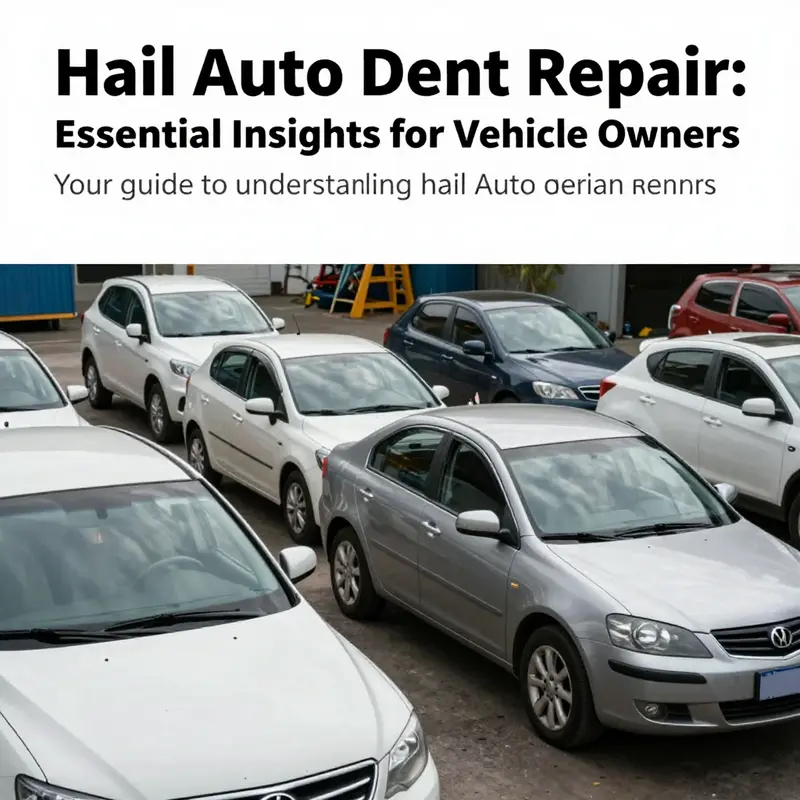
Hail storms can be devastating to your vehicle’s appearance, leaving behind an array of dents and dings. Whether you’re a motorcycle enthusiast, an auto owner looking to protect your vehicle, or a business in the auto parts and repair industry, understanding hail auto dent repair is crucial. This comprehensive guide will delve into what hail auto dent repair entails, focusing on techniques like Paintless Dent Removal (PDR), the economic ramifications of repair services, considerations for consumers when choosing between DIY and professional solutions, and navigating insurance coverage for hail damage. By the end of this article, you’ll be equipped with the knowledge to tackle hail damage confidently and effectively.
Hail, Dents, and Fast Restoration: The Quiet Science of Hail Auto Dent Repair
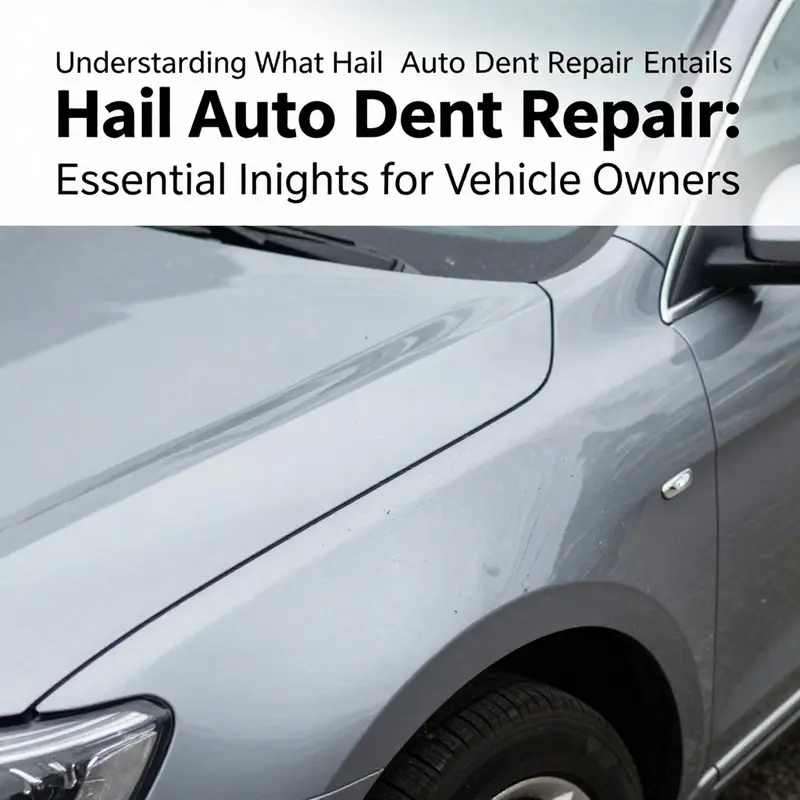
A hailstorm leaves more than a scattered cloud print on a car’s skin. It writes a constellation of tiny, circular dimples across the hood, roof, doors, and fenders that shimmer differently as light shifts. The instinct to cover the marks with a quick filler or a fresh coat of paint is understandable, but in many cases a trained technician can reverse the damage without repainting. This is the core appeal of hail auto dent repair: a disciplined, patient approach that respects the vehicle’s original factory finish. It is not a magic cure; it is a method that aligns the metal with its intended contour, preserving the paint and the structural integrity of the sheet. When the dents are shallow to medium in depth and the paint remains uncracked, the repair can be fast, efficient, and surprisingly gentle on the car’s long-term value. The technician’s work resembles a careful restoration in sculpture—attention to reflection, a precise touch, and a clear understanding of how metal behaves under heat and pressure. The result is a surface that looks as if the storm never happened, a restoration that keeps the vehicle’s exterior cohesive and true to its original appearance.
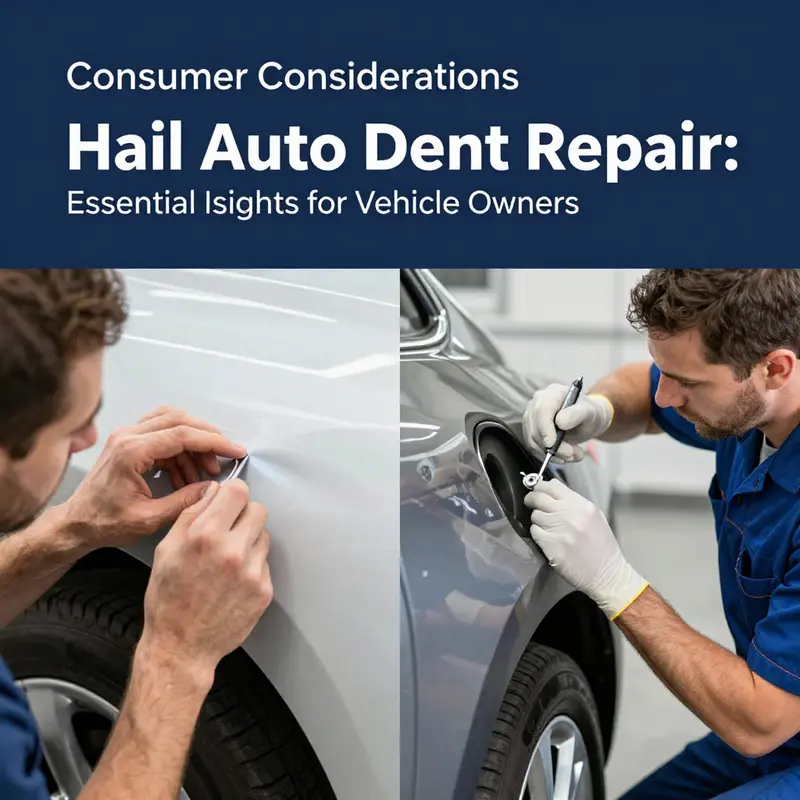
At the heart of this recovery lies paintless dent removal, often abbreviated as PDR. The essence of PDR is to manipulate the metal back toward its pristine shape, sometimes from behind the panel and sometimes by controlled pressure from the exterior. The toolkit is deliberately minimal and highly specialized: slender pull rods, delicate aluminum rods, and glue tabs that can anchor to the dented surface. Suction cups and lightweight dollies may be employed to stabilize the surrounding metal while the dent is coaxed outward. The technician’s eyes are trained to read the dent’s geometry, recognizing how a shallow depression on a curved surface will react to a given push or pull. The process begins with a careful assessment: is the dent accessible from behind, is the paint surface intact, and is there any hidden damage to underlying metal layers or the panel seams? If the dent qualifies, heat becomes a strategic ally. A heat gun or controlled warmth slightly raises the metal’s malleability, softening its resistance so that minor reshaping can occur with less aggressive force. Temperature control is essential. Excess heat risks thinning or scorching the paint, while insufficient warmth leaves the metal stubborn and resistant.
Following the gentle warming, the technician alternates between pushing the dent from behind and pulling it outward from the surface. When necessary, glue tabs are applied and later removed, allowing the puller tool to draw the metal back toward its original line. This back-and-forth dance is repeated in small increments, with frequent checks of the panel’s reflectivity and straightness. The subtle cues—how the light plays along the contour, where a line of reflection snaps back into place, or where a ripple remains—guide the process more than any single measurement. The craft is as much about patience as it is about technique. In many cases, technicians finish with a gentle perimeter tapping to refine the last micro-distortions, ensuring that the entire panel presents a smooth, uniform field of light. When done well, the result is a dent-free surface that retains its factory paint and the original thickness of the metal.
The advantages of this approach are quantifiable as well as perceptible. Speed is a principal benefit. A hail dent repair can often be completed within a single business day, and in favorable cases, several automotive panels can be addressed in a single session. For many drivers, the option to have repairs performed on-site—at home or at work—adds a level of convenience that traditional body shops struggle to match. The cost advantage is equally meaningful. By eliminating painting, sanding, and extensive filler work, the price tag for minor to moderate hail damage tends to be substantially lower than conventional panel replacement or traditional re-painting. This affordability makes the decision easier for owners facing an insurance claim, as it increases the likelihood that the repair will be covered while still delivering a high-quality finish. The environmental implications should not be overlooked either. With fewer paint products, volatile compounds, and waste materials, paintless dent repair avoids many of the ecological downsides associated with traditional dent repair. The combination of speed, cost efficiency, and ecological responsibility elevates hail dent repair from a niche service to a preferred option for many insured vehicle owners.
Driven by climate realities, the demand for hail repair has grown in regions where hail seasons are long and storms can be brutal. Industry data through early 2026 show rising volumes of hail-related dent work, alongside a broader recognition among insurers that PDR can be a practical, cost-effective route to restoration after a storm. The professional standard across this field emphasizes not only the ability to remove dents but also the importance of preserving the paint’s integrity and the panel’s edge integrity. A high-quality result depends on meticulous evaluation, appropriate tool selection, precise heat management, and a disciplined approach to avoiding overcorrection or new distortions near seams and fasteners. In short, the best outcomes are achieved when technicians apply a combination of science and judgment—quantitative checks of panel flatness paired with qualitative assessments of light and feel. The credibility of the work grows when technicians communicate openly about what is feasible with PDR and when they explain if a dent is too deep or if the paint has suffered micro-tears that could warrant alternative repair plans.
For readers considering whether to tackle hail damage on their own, the temptation to try DIY fixes is understandable. With an array of home-use tools and online tutorials, there is a sense that new dent repair techniques are approachable by casual hands. Yet the realities of metal behavior, paint elasticity, and crown-shaped panels can overwhelm untrained operators. Misjudgments about heat, leverage, or the dent’s spread can create new imperfections—waves, rings, or faint halos—that may require remedial work later on. A professional dent technician brings a trained eye for material response and a steady hand earned through practice. They can determine early on whether PDR is appropriate or if a panel requires more conventional restoration methods. This decision point—between pursuing quick, surface-friendly PDR and engaging in more invasive bodywork—often informs the overall repair strategy, the anticipated timeline, and the insurance workflow. In practice, most reputable providers will begin with a transparent assessment, explaining the expected results, any limitations, and the trade-offs involved in pursuing paintless options.
As the field evolves, it is helpful to situate hail dent repair within the broader landscape of auto service. For readers curious about how the paint and structure considerations in hail repair relate to general repair decisions, a concise primer on auto repair workflows is available at A-to-Z Auto Repair. This reference underscores how decision-making in hail repair mirrors broader principles: evaluate the paint’s condition, read the metal’s response to controlled heat and pressure, and choose a path that minimizes invasiveness while preserving value. In the end, the goal is not merely to erase a dent but to reaffirm the vehicle’s integrity and finish, a restoration that blends technical discipline with a respect for the original engineering that went into the car’s design.
The practical takeaway for most car owners is a simple guidepost: if the hail damage is largely cosmetic, with intact paint and no deep creases or edge damage, paintless dent repair offers an attractive combination of speed, cost savings, and environmental responsibility. If the dent involves cracked paint, stretched metal, or a creased panel near a seam, the repair path may require more traditional methods to ensure the panel maintains its structural and aesthetic continuity. In either case, a professional assessment provides clarity about the damage’s scope and the most appropriate course of action. The best outcomes come from a careful evaluation that assesses not only the visible dents but also the subtle cues that indicate the health of the paint and metal around them. When a technician earns a client’s trust through careful analysis, transparent planning, and precise execution, the result is a repaired surface that carries few traces of the storm and many reminders of thoughtful, skilled workmanship.
External resource: For more information on certified repair professionals and industry standards, see the official site of the National Institute for Automotive Service Excellence (ASE): https://www.ase.com
Hidden Truths of the Skies Outside: Paintless Dent Removal as the Core of Hail Repair
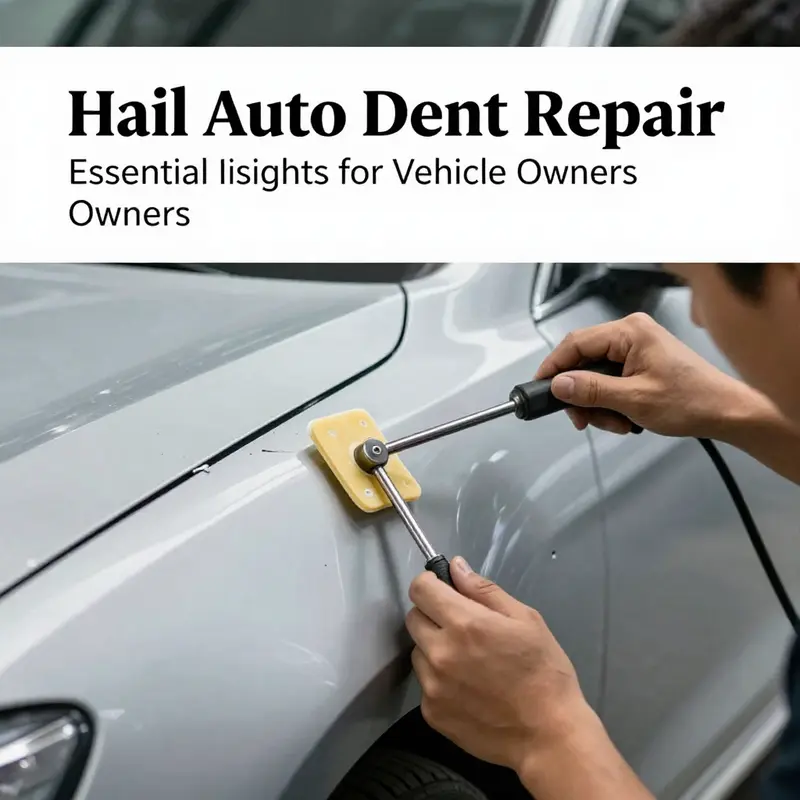
When hail pelts a car, the first impulse is often frustration—the quiet fear that the gleam on the hood is gone forever, that the car’s value has taken a dented turn, literally. But within the world of auto repair, a method named Paintless Dent Removal, or PDR, has emerged as the most reliable path back to a pristine surface for many hail-affected vehicles. This chapter keeps its focus on the heart of that technique, tracing how skilled technicians coax the metal back to its original shape from behind the panel, using delicate leverage and precise pressure rather than solvent, fillers, or fresh paint. The magic of PDR lies in its respect for the car as it was built. When the process is done correctly, the factory finish remains intact, the panel retains its original strength, and the repaired area becomes almost indistinguishable from the rest of the surface. This is not merely a cosmetic triumph; it preserves structural integrity and preserves value, two goals that matter to owners who want their investment to endure beyond a single season of pummeling storms. Elaborating on that core idea helps explain why PDR has become the preferred method for many hail repairs, particularly for modern vehicles whose panels are crafted from high-strength steels or aluminum alloys that respond to careful manipulation rather than brute refinishing techniques. The approach also resonates with a growing environmental awareness in the industry. By avoiding painting, primers, and fillers, PDR reduces waste, minimizes volatile organic compounds, and shrinks the repair footprint—an appealing benefit for customers who see repairs as a responsibility, not merely a quick fix. Yet PDR is not a universal remedy. Its strengths are best realized when the damage is a specific kind of dent: typically small to mid-sized, round or shallow, and not creased, cracked, or stretched so severely that the metal’s memory has been compromised. When a dent is deep, near edges where the panel has been overstretched, or when the metal has suffered a sharp crease, PDR’s back-side access becomes difficult or impossible. In such cases, panel replacement or conventional damage repair with repaint is the more reliable path. The technician’s ability to assess the scenario accurately becomes the hinge on which success swings. The process begins with a careful inspection that concentrates not just on the dent’s location but on the panel’s overall condition, the likelihood of back-side access, and the panel’s material composition. Modern cars use a blend of steel grades and aluminum sections that react differently to pressure. A skilled technician will map out how the metal should respond, predicting how the dent will move as pulls and pushes are applied. This mapping is more art than science and requires years of hands-on practice, because the same dent may behave differently on two otherwise identical cars. Once the diagnostic phase is complete, the repair proceeds with tools designed to conserve the paint and the factory finish. Metal rods, specially shaped tips, and glue-based pull systems enable technicians to access the dent from behind the panel or from the edges where the panel can be gently coaxed back toward its original contour. Suction devices and micro-hammers may be used to refine the final shape, smoothing high spots and restoring a uniform surface. The objective is to recreate the panel’s natural curve, the subtle ripples that are part of the metal’s skin, so that light plays across it exactly as it did before the hailstorm. The process can be surprisingly quick for small dents, sometimes taking only a few hours, especially when the work is performed on-site at a customer’s home or workplace. For homeowners who are watching their schedules, the prospect of mobile repair—a technician arriving with a compact toolkit and setting up in the driveway—can be a relief. It eliminates the need to drive a dented car to a shop and then wait for days on end because a single panel can hold up the entire repair timeline. For larger fleets or vehicles with extensive hail coverage, the pace may vary, but the underlying principle remains: preserve the paint, respect the original manufacturing decisions, and restore the metal’s natural memory. The technician’s skill is the fulcrum of PDR’s success. The more years spent practicing, the more adept the practitioner becomes at reading minute metal responses, setting up just the right alignment, and applying pressure in the most efficient sequence. This is why many customers seek specialists who train within dedicated programs and who continuously update their techniques in response to evolving vehicle designs. The credibility of PDR is reinforced by industry norms and professional associations that emphasize standard procedures, safety, and consistent results. When executed by a certified technician, PDR offers a fast, cost-effective, and insurance-friendly repair path that can significantly reduce downtime and avoid the more invasive steps of traditional bodywork. The claim process itself has evolved: many insurance providers now support streamlined claims for PDR, with direct billing to insurers and, in some cases, deductible waivers when repairs are performed through approved networks. In an era where customers expect frictionless service, the availability of a clear, pain-free route from claim to completion adds real value. There is also a practical aspect to consider, one that often surfaces in discussions with vehicle owners who are new to hail repair: the decision between attempting a DIY fix and hiring a professional. It is tempting to view minor dents as an opportunity to test a few tools and see whether the metal will rebound, but the reality is more nuanced. While there are consumer-grade tool kits that promise dent removal, they are most effective on very shallow, small dents and require a steady hand, an accurate eye, and a willingness to accept imperfect outcomes if the dent is deeper than anticipated. For most hail-impacted cars, the safest and most predictable path is to engage a trained technician who can perform a full assessment and, if necessary, combine PDR with selective traditional repair in a way that preserves the overall finish. To illustrate the spectrum, imagine a dent that is a few inches across, uniform in depth, and accessible from behind the panel. In that case, PDR can often restore the panel to its original geometry with little more than time and patience. If the dent sits near an edge or around a door seam, the technician might need to balance subtle pushes with careful use of glue tabs to avoid creating new distortions. When the panel is aluminum, the process may require different tooling and pressure thresholds because aluminum does not endure the same plastic deformation as steel and can respond unpredictably to stress. In all scenarios, the end goal is the same: a smooth, even surface that catches light in the same way as the surrounding paint, so a casual observer cannot tell where the hail left its mark. The psychological payoff for vehicle owners is significant. The car’s appearance returns to its pre-storm state, and the sense of loss gives way to relief. However, a careful owner will remember that hail repair is not just about aesthetics; it is about preservation. The memory of the metal’s original form remains, and the repair work seeks to honor that memory by maintaining structural continuity and paint integrity. This is why many shops emphasize training, ongoing education, and adherence to certified standards. As an industry, PDR has matured into a discipline with a clear set of techniques, supported by training organizations and professional networks that keep technicians aligned with best practices. In this context, the broader story of hail repair becomes less about a single miracle fix and more about a disciplined sequence of assessment, skillful manipulation, and practical decision-making. The result is a repair path that respects the vehicle’s life cycle, its environmental footprint, and the expectations of drivers who want to return to road with confidence. For readers seeking a broader technical grounding beyond the clinical description of PDR, there are resources that detail the theory and practice of this method. These sources document the physical properties of metal, the geometry of dent formation, and the tactile feedback that technicians rely on during a repair. They also provide training pathways for new technicians who wish to enter a field where visual precision and patient technique shape outcomes as much as raw force. If you want to dive deeper into the technique, the official PDR education and certification community offers in-depth materials that cover the range of scenarios encountered on modern vehicles. While this chapter does not replicate the entire curriculum, it reinforces the core idea that paintless dent removal, when applied thoughtfully, can restore a vehicle’s surface with minimal intrusion. For those curious about practical, hands-on basics, there is a widely used introductory pathway that emphasizes the essentials of tool control, lighting, access, and careful observation of the metal’s behavior under pressure. This pathway, while not a substitute for formal training, provides a useful foundation for interpreting the behavior of dents and understanding when PDR is the right choice. In sum, hail dent repair via PDR stands at the intersection of craftsmanship and science. It is a method that respects the vehicle’s original build, reduces environmental impact, and delivers tangible value through speed and precision. The decision to pursue PDR should be guided by a professional assessment that considers the dent’s size, depth, location, and the panel material. When these factors align, PDR offers a fast, reliable, and broadly accessible route back to a flawless surface. For readers who want to explore more about the practical facets of auto repair education and DIY fundamentals, you can consult resources framed around the basics of auto repair practices, such as the article on DIY auto repair basics. DIY auto repair basics. For a deeper, more technical understanding of paintless dent removal, check the official insights from industry training bodies and reference materials that anchor the practice in certified standards. External resources such as the PDR World website provide comprehensive, current information on techniques, training programs, and real-world applications that inform the field and guide technicians toward best practices in every hail season. https://www.pdrworld.com/.
Bent by the Sky: The Economic Rhythm of Hail Dent Repair in Storm-Prone Regions
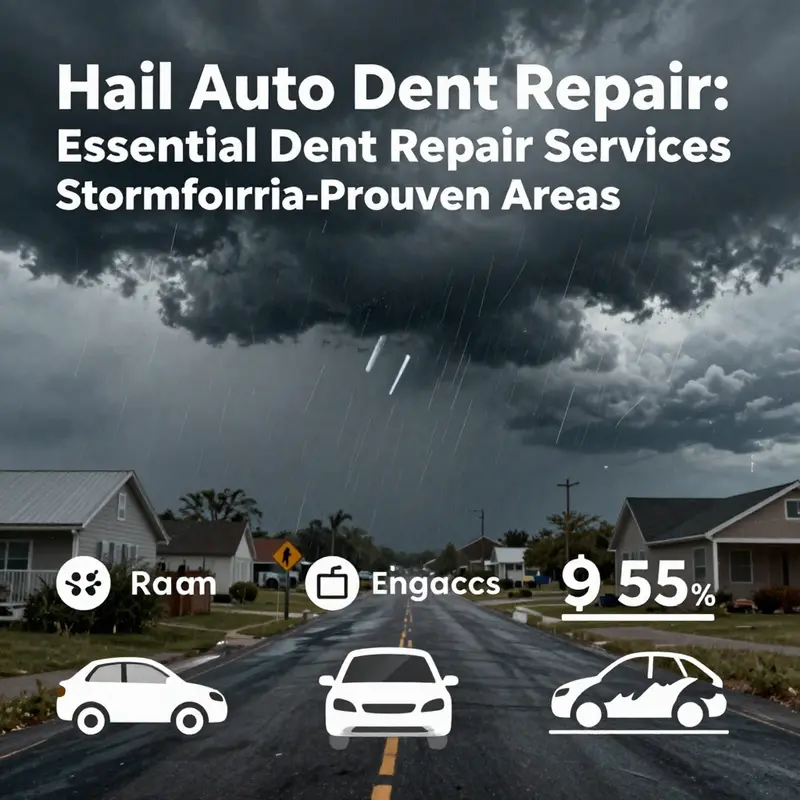
When a hailstorm passes, a city’s subtle economy often goes quiet for a moment and then, in the wake, it hums with a different kind of activity. The dents that pepper a car’s hood, roof, doors, and fenders are not merely cosmetic blips; they are summons for a specialized labor market that expands every time the skies grow dark with hail. In storm-prone regions, the dent repair industry becomes a barometer of risk, resilience, and regional commerce. Rather than replacing panels and repainting entire sections, technicians trained in paintless dent repair manipulate metal from behind the damage. They coax it back toward its original contour with slender rods, glue tabs, and an eye for the metal’s stubborn memory. The technique preserves factory paint, minimizes waste, and often turns a repair into a matter of hours rather than days. In a single season, a single city can experience a noticeable shift in its service economy as mobile crews set up shop at driveways and office parking lots, offering on-site fixes that sidestep the titanic costs and downtime associated with traditional bodywork. The economic logic is elegant in its simplicity: faster, leaner repairs reduce out-of-pocket expenses for car owners and shorten the lost-use period for vehicles, while empowering local technicians to meet a surge in demand with scalable, skill-intensive labor. This alignment of method, time, and cost has transformed hail dent repair from a niche service into a robust local industry across the Great Plains, the Southwest, and the foothills where hail’s tempo matches the year’s weather calendar.
The economics at play hinge on a precise understanding of cost differentials. National data show that hail claims are markedly more expensive to repair than the average comprehensive auto claim. Specifically, hail-related repairs carry a cost burden that is about 21.7 percent higher, a difference driven by the combination of extensive dents and the specialized techniques required to restore the surface without compromising the paint. This differential matters not only to anxious drivers facing repair bills but also to insurers who must model risk, price coverage, and anticipate the flow of claims after a storm. In practice, that means a spike in demand for methods like paintless dent repair, particularly when hail damage is widespread but the paint remains intact. In Texas, Colorado, Oklahoma, and neighboring states where hailstorms are a recurring feature of the climate, this dynamic creates a predictable, seasonal cadence for repair shops: a post-storm surge that tests scheduling, inventory, and technician availability, followed by a normalization period as new repairs taper off and shop floors return to steady state.
The ripple effects extend beyond the four walls of a repair shop. The demand for quick, reliable dent repair supports thousands of jobs, from technicians and apprentices to mobile coordinators, estimators, and logistics personnel who coordinate on-site visits. The labor intensity of PDR—careful probing, precise alignment, and often one-to-many adjustments to fit the curvature of a vehicle’s panel—means that skilled labor is both a premium product and a local asset. Regions that invest in training programs, certifications, and hands-on apprenticeship pipelines tend to experience steadier growth in this sector, even in the absence of a single blockbuster storm. It is not just the technicians benefitting; local suppliers—steel stock, adhesives, screws, tool kits, and diagnostic equipment—see a surge in demand during peak hail seasons. The increased activity can ripple outward into ancillary services: car rental agencies adjust fleets to accommodate temporarily out-of-commission vehicles, body shops lean on each other to manage overflow, and insurance agencies coordinate with mobile repair networks to expedite claim settlements and vehicle returns to customers.
Pricing dynamics, too, reflect the unusual economics of hail repair. While the labor-intensive and precision-focused nature of PDR can make certain procedures appear premium, the overall cost advantage relative to traditional panel replacement is often pronounced. The speed of service translates into savings for car owners who cannot afford prolonged downtime, while the efficiency gains translate into lower administrative friction for insurers who must process a large volume of claims after a major weather event. In storm-prone markets, a robust PDR ecosystem helps keep insurance payouts closer to the actual repair costs rather than inflating due to prolonged downtime or more invasive bodywork. The result is a balancing act: repairs must be affordable enough to be palatable to drivers and fleets, yet meticulous enough to preserve the vehicle’s resale value and original warranty aesthetics. This balance underpins a healthy cycle where consumer confidence in repair outcomes supports the willingness to file claims when damage is visible but not catastrophic, and where insurers prefer the predictability and rapid turnover that skilled dent removal provides.
From the consumer’s perspective, the choice between on-site paintless dent repair and traditional repair depends on the extent of the damage and the owner’s priorities. For minor to moderate cases, PDR offers a compelling value proposition: speed, paint preservation, and a reduced environmental footprint. On a typical afternoon, an experienced technician can restore several small dents on a single car and return it to use with a minimal weight of downtime. In many communities, mobile repair services have become an essential part of the landscape, arriving at homes or workplaces to complete fixes with the same care and precision you would expect in a fixed shop. Yet, when hail damage is more pervasive, with deeper indentations or distortions that affect one or more panels, some repairs inevitably touch bodywork that may require repainting, panel replacement, or more extensive structural assessment. The economics then shifts, as the cost comparison versus conventional repairs becomes more nuanced and the stakes around preventing color mismatch or texture irregularities increase. Even in these cases, skilled technicians use careful planning to minimize repaint areas, preserve factory finishes, and ensure long-term durability. The overarching narrative remains clear: the more damage is contained through expert, conservative repair, the sooner a vehicle regains its normal function and value.
A practical thread woven through this economic tapestry is the existence of knowledge networks and professional standards that keep costs predictable and outcomes reliable. For consumers, this means seeking qualified technicians who can assess whether a dent’s back-deformation can be addressed from behind the panel and whether the paint is uniformly intact. The decision-making process in this regard is less about choosing between a brand-name technology and a generic technique, and more about evaluating the technician’s approach, the shop’s workflow, and the likelihood of a seamless finish. In this context, a reliable, reputable shop offers more than a repair; it offers a balance of transparency, speed, and quality that reduces the risk of latent issues later, such as hidden crease damage or paint stress that might only reveal itself after months of driving. For readers seeking a practical example of how a shop frames its approach to hail damage, a representative overview of a local auto repair operation can provide constructive insight into the priorities and practices that shape outcomes. See A-to-Z Auto Repair for a concise sense of how a shop positions its services, communicates with customers, and plans work schedules in response to fluctuating demand. A-to-Z Auto Repair.
The economic climate surrounding hail dent repair is also intertwined with risk assessment and policy design. Insurance pricing models increasingly factor regional hail risk into premium structures and coverage terms, a development that reflects the historical pattern of loss and the probability of future claims. When insurance pricing embeds weather-driven risk more explicitly, homeowners and drivers can plan for contingencies, while carriers can calibrate their reserves and service networks to handle surges after storms. This dynamic fosters a more resilient local ecosystem: repair shops can hire and train staff ahead of peak demand, insurers can streamline claim routing to mobile or on-site teams, and consumers can access rapid repair options that restore vehicle service life with minimal financial disruption. The net effect is a more integrated response to hail events, one that treats the repair phase as a catalyst for economic stability rather than a costly afterthought. The broader social implication is that communities facing recurring hailstorms are not simply repairing damaged cars; they are maintaining mobility, protecting livelihoods, and sustaining local commerce through an industry that can scale up and down with climate-driven demand.
In the midst of these dynamics, the narrative of hail dent repair is evolving with the weather itself. As climate patterns shift and the frequency or severity of hail events changes, the repair economy adjusts in tandem. The capacity to mobilize skilled technicians, maintain the capital for tools and space, and coordinate with insurers becomes a defining feature of regional resilience. This is not just about fixing metal and paint; it is about preserving the economic fabric that relies on dependable transportation. The history of post-storm repair in storm-prone regions is a story of adaptive practice, where the most effective responses blend technical skill with an astute understanding of market timing, consumer needs, and policy contours. The dent in a panel is almost incidental; the larger implication is the way a community channels risk into a disciplined, service-oriented ecosystem that keeps people and goods moving.
For researchers and policymakers, the hail dent repair sector offers a microcosm of how specialized services can dampen the economic shocks of extreme weather. It demonstrates how skill development, flexible service delivery, and prudent pricing can create a robust local industry that supports households, small businesses, and insurers alike. It also highlights the value of high-quality work in preserving asset value—an often underappreciated aspect of the repair economy. In the long view, the dented lid and the repaired panel symbolize resilience: a signal that, even under a storm’s iron skies, a community can recover quickly, restore mobility, and maintain the trust that keeps daily life on track. For readers seeking broader context on how hail storms influence insurance costs and vehicle damage, an authoritative overview is available in the following external resource: https://www.npr.org/2023/05/16/1176493899/hail-storms-vehicle-damage-insurance-costs.
null
null
Under the Shield: Navigating Insurance Coverage for Hail Dent Repair and the Road Back to a Pristine Vehicle

Hail storms leave more than a few dents; they leave questions about costs, timelines, and the right way to restore a car without sacrificing its value. The moment a garage door clanged shut on a windy afternoon and the hood bore a constellation of round, shallow depressions, many drivers instinctively reach for the safety net of their insurance. The insurance route can feel complex, but when understood, it becomes a clear pathway rather than a maze. The central truth is straightforward: in regions where hail is a seasonal threat, most comprehensive auto policies are designed to absorb the repair costs of hail damage minus the deductible, provided the claim is filed correctly and the repair aligns with accepted methods. What changes the experience from a headache to a manageable process is knowing how coverage works, what repair methods insurers prefer, and how to coordinate efficiently with the shop that will perform the work. This chapter explores that terrain—how insurance coverage typically applies to hail dent repair, the practical advantages of modern repair methods like paintless dent repair, and the steps drivers can take to ensure a smooth, timely return to pre-storm condition.
As a starting point, it helps to acknowledge how the repair landscape has evolved. Traditional body shop methods often involved panel replacement or repainting, which can be time-consuming, costly, and less friendly to the environment. In contrast, paintless dent repair (PDR) focuses on restoring the metal to its original shape from behind the panel, using slender tools and strategic pressure. Since PDR preserves the factory paint, it reduces the risk of color mismatches and often shortens the repair timeline. For many insurers, PDR represents a predictable, cost-efficient solution when the damage is suitable for this technique. Widespread hail can still require conventional bodywork for deeper or creased dents, but when PDR is viable, it becomes the first-line approach insurers favor for its efficiency and the likelihood of a faster return to service. The practical upshot is that vehicle owners who understand the repair options ahead of time are better positioned to choose a path that minimizes downtime and preserves value.
Insurance coverage for hail damage follows a familiar pattern in many markets, but the details matter. In regions frequently hit by hail—spanning parts of the United States, Australia, and portions of Europe—the comprehensive portion of most auto policies typically covers non-collision damage like hail. This means the repair cost, after accounting for the deductible, can come from the insurer rather than directly from the owner. The deductible acts as a shared risk between driver and insurer, and it can vary widely depending on the policy. What sometimes surprises drivers is that, in certain cases, the deductible can be waived or reduced for minor hail damage when a PDR-centric repair is performed and the claim falls below a specific threshold. It’s not universal, but it is a pattern seen in many markets where the damage is manageable by PDR or a subset of repairs. The key takeaway is to verify how your policy treats hail damage and to confirm whether a no-deductible option exists or if the deductible applies to the total repair bill. This is not merely an abstract point; it directly influences what you pay out of pocket and which repair route makes the most financial sense.
Documenting the damage is the first practical step in turning a weather-worn situation into a resolved claim. Take clear photos from multiple angles, capture close-ups of the dents and the surrounding paint, and keep a dated record of when you noticed the damage. A written note describing when the hailstorm occurred, the extent of the damage, and any temporary protective measures you used can be surprisingly helpful when speaking with an insurer. With documentation in hand, contact your insurer to report the incident and to explore coverage specifics. Some carriers offer online claim portals or instant-qualification tools that help determine whether you could pay $0 out of pocket, either through a no-deductible option or because the repair cost falls under your deductible threshold. While such tools can be convenient, they should supplement, not replace, a detailed conversation with a claims representative who can verify coverage and confirm any constraints tied to the policy.
Choosing a repair provider is another crossroads on the journey from storm to restoration. The most reliable choice is a certified repair shop that specializes in hail dent repair and has a track record of working with insurers. Reputable providers understand the language of claims, know how to document repairs for your insurer, and can often coordinate the logistics of pickup, repair, and return. In practice, you’ll find shops that manage large volumes during peak hail seasons and have streamlined processes to minimize downtime. A critical point when selecting a shop is to confirm that they are approved by your insurer and that they can provide a detailed estimate based on a physical inspection or a guided remote assessment. This reduces the possibility of later billing surprises and ensures the repair plan aligns with what the insurer expects to finance. If you are unsure, ask for a written estimate that breaks down the costs by repair method, the expected duration, and the anticipated impact on the vehicle’s value after repair.
The path from damage assessment to completed repair is rarely linear, but it can be predictable when you follow a structured approach. After you choose a shop, the provider will typically perform a thorough assessment to determine whether PDR is sufficient or if some dents require traditional panel work. For hail damage, it is not unusual to begin with PDR on the most accessible or shallow dents while reserving more invasive work for spots that resist simple manipulation. Because PDR preserves the factory paint, it often minimizes the chance of paint-related complications, such as color matching issues or repainting costs. This alignment with insurance preferences—favoring less invasive, paint-preserving methods—can translate into a more straightforward approval process and faster turnaround.
To keep the process moving, rely on proactive, transparent communication with both the insurer and the repair shop. Share the documented photos and your initial understanding of the damage, then request a written repair plan and a cost estimate. If the insurer requires inspections or third-party appraisals, coordinate those steps promptly. During this phase, you may encounter the possibility of a deductible waiver or a reduced out-of-pocket expense if the repair scope fits within a specific threshold or if the policy provides a no-deductible option for cosmetic hail damage. While not universal, these arrangements are common enough that drivers should explicitly ask about them and obtain confirmation in writing.
As you navigate claims, it can be helpful to compare the experience with a general auto repair workflow. A broader guide to repair intake, assessment, authorization, and completion can illuminate how this hail-specific path fits into the larger picture of car maintenance, insurance, and ownership. For drivers seeking a general orientation on repair processes that translate well to hail scenarios, a concise, practical overview is worth consulting. This kind of reference can reassure you that the steps—from damage documentation to final approval—follow a logical sequence that minimizes delays and maximizes the likelihood of a durable repair.
In the middle of a busy hail season, the speed of service matters as much as the quality of the repair. Look for providers that offer streamlined intake, clear communication, and realistic timelines. Some shops can perform on-site, mobile repairs for minor damage, a service that is particularly valuable when you want to avoid the hassle of leaving your vehicle at a shop for days. Regardless of whether the work is done on-site or in a shop bay, ensure that the repair plan aligns with your insurer’s requirements. Ask for a pre-approved written estimate, confirm the anticipated scope of work, and verify that the final invoice reflects only the agreed-upon items. A mismatch between the insurer’s expectations and the shop’s invoice is a common source of friction that can delay settlement or require post-repair adjustments.
For drivers who prefer a broader perspective on repair workflows, consider exploring topics that describe how shops manage the front-end conversation with customers. A pragmatic resource, available at one of the car repair blogs, offers an accessible overview of the intake-to-finish process that can help you manage expectations without getting lost in jargon. This reference, though not an endorsement of any particular provider, can help you translate the insurer’s language into a practical plan for your vehicle. See also: a-to-z auto repair for a concise primer on the repair journey from inspection to completion.
As you near the finish line, the focus shifts to documentation of the completed work and confirming that the vehicle has been restored to its pre-damage condition. Once the repair is finished, you should receive a final invoice that itemizes the work performed and confirms that no additional paint or structural work was needed beyond what was approved. If the insurer requires post-repair photographs or a conclusion that the repair meets specific standards, provide those materials promptly. Keep a copy of all documents, including the repaired vehicle’s condition, the repair plan, and insurance communications, in case questions arise later about the coverage or the repair quality. A well-documented claim not only smooths the current settlement but also serves as a helpful reference should you experience future hail events.
In this landscape, the most important consideration is certainty. Certainty about what is covered, what you owe, and how long the process will take can transform a potentially stressful situation into a well-managed experience. While hail damage can disrupt daily life, the combination of comprehensive coverage, paintless dent repair options where viable, and efficient coordination with an insurer and a qualified repair provider makes the outcome much more predictable. When you have a clear understanding of the coverage framework, the repair techniques that are most likely to preserve your vehicle’s value, and the practical steps to file a claim, you empower yourself to navigate the storm with confidence and return to normal driving much sooner than you might expect.
For further information on hail damage repair and insurance coverage, you can explore additional insights at HailMedic.com. External resource: https://www.hailmedic.com
Final thoughts
Understanding hail auto dent repair is essential not only for maintaining your vehicle’s aesthetic value but also for making informed decisions regarding repair methods, costs, and insurance claims. Whether you opt for DIY repairs or professional services, knowledge of these topics can significantly ease the repair process and mitigate economic impacts in your area. Preparing for potential hail damage and knowing your options will empower you to take action quickly and effectively, ensuring your vehicle remains in the best condition.