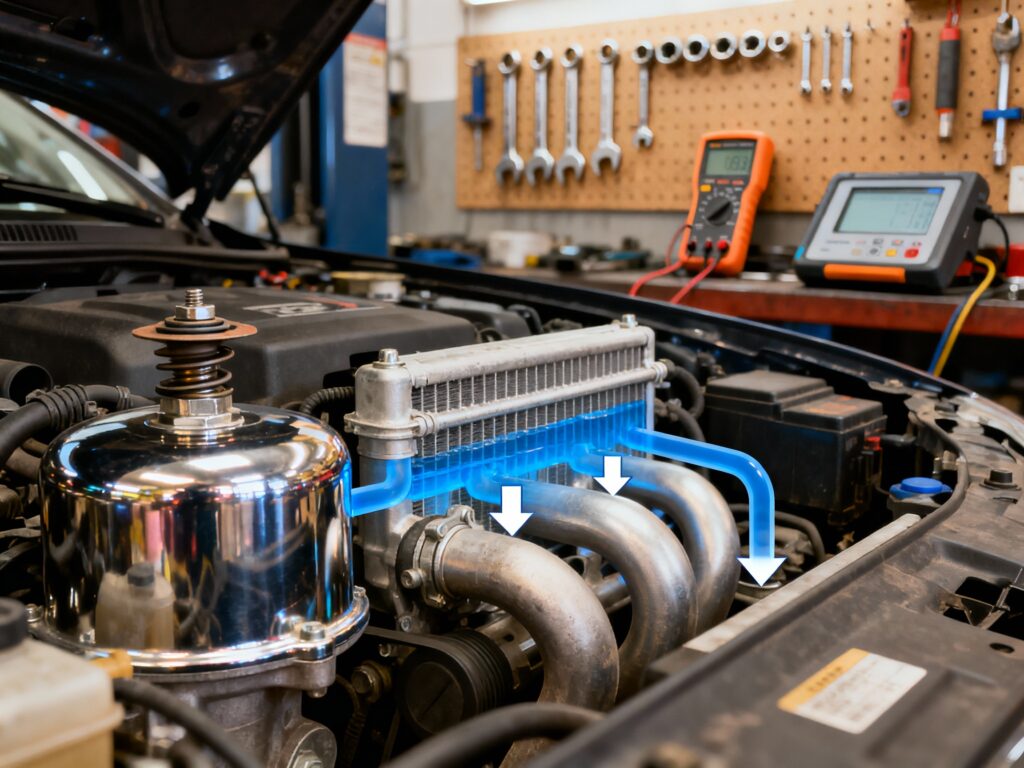
When it comes to keeping your vehicle running smoothly, few issues are as serious as engine overheating. This often-ignored problem can lead to catastrophic failures, expensive repairs, and even safety hazards. Drivers may not realize that neglecting engine health directly impacts performance and longevity.
Importance of Preventing Overheating:
- Consistent overheating diminishes engine efficiency.
- Some common consequences include premature wear and tear.
- Addressing overheating saves money and ensures safety.
Understanding this issue is vital for every car owner. Regular checks of coolant levels and maintenance can prevent overheating, keeping your vehicle safe and efficient.
Common Causes of Engine Overheating and Tips to Prevent It
Here are some common causes of engine overheating:
- Low Coolant Levels: If coolant levels drop too low, heat absorption is ineffective. Regular checks prevent this.
- Faulty Thermostat: The thermostat controls coolant flow. If stuck, it causes overheating. Regular maintenance is vital.
- Radiator Blockages: Debris clogging the radiator reduces heat dissipation. Maintenance helps prevent blockages.
- Water Pump Failure: It circulates coolant throughout the engine. If it fails, overheating can occur. Timely inspections are crucial.
- Hose Leaks: Damaged hoses can cause coolant leaks, leading to overheating. Check hoses regularly to catch issues early.
- Poor Engine Timing or Ignition Issues: Any timing or ignition problems can make the engine run hotter, leading to overheating. Regular checks can help.
Warning Signs of Overheating
Recognizing the signs of overheating can prevent serious damage. Watch for:
- Dashboard Indicators: Check for a high temperature gauge or warning lights.
- Unusual Noises: Hissing or bubbling could indicate boiling coolant.
- Smoke: Smoke from the hood indicates overheating or engine issues.
What to Do If You Notice These Signs
- Pull Over Safely: Find a safe spot and turn off the engine immediately.
- Allow the Engine to Cool: Wait about 30 minutes before inspecting the engine.
- Check Coolant Levels: Inspect the coolant reservoir; add if low.
- Seek Professional Help: Consult a mechanic if problems persist.
Preventive Maintenance Tips
| Maintenance Tip | Frequency of Maintenance | Benefits |
|---|---|---|
| Regular Coolant Checks | Monthly | Prevents low coolant levels |
| Thermostat Replacement | Every 2 years | Ensures proper coolant flow |
| Radiator Flush | Every 2 years | Improves cooling |
| Hose Inspections | Every 6 months | Identifies leaks and wear |
| Water Pump Inspection | Annually | Ensures proper coolant circulation |
| Coolant Mixture Check | Every season | Maintains optimal freezing and boiling points |
User Experiences and Testimonials
User feedback highlights critical insights:
- Regular cooling system checks are crucial, including evaluating coolant levels and fan operation.
- Using proper coolant is vital; many drivers emphasize never substituting water.
- Proper maintenance prevents costly repairs.
- Safe handling of overheating situations is essential to avoid catastrophic damages.
Conclusion
In conclusion, maintaining your vehicle through regular maintenance is crucial to preventing engine overheating and ensuring engine longevity. A proactive approach to checking fluid levels, inspecting hoses, and monitoring your cooling system can make a significant difference. Routine maintenance protects your engine, saves on repairs, and promotes safe driving. Make routine checks a priority; your engine will thank you!
Common Causes of Engine Overheating and Tips to Prevent Overheating
- Low Coolant Levels: When the coolant level drops below a certain point, it cannot effectively absorb heat from the engine, leading to overheating. Regular checks of coolant levels can help prevent this issue and is a critical aspect of automotive maintenance.
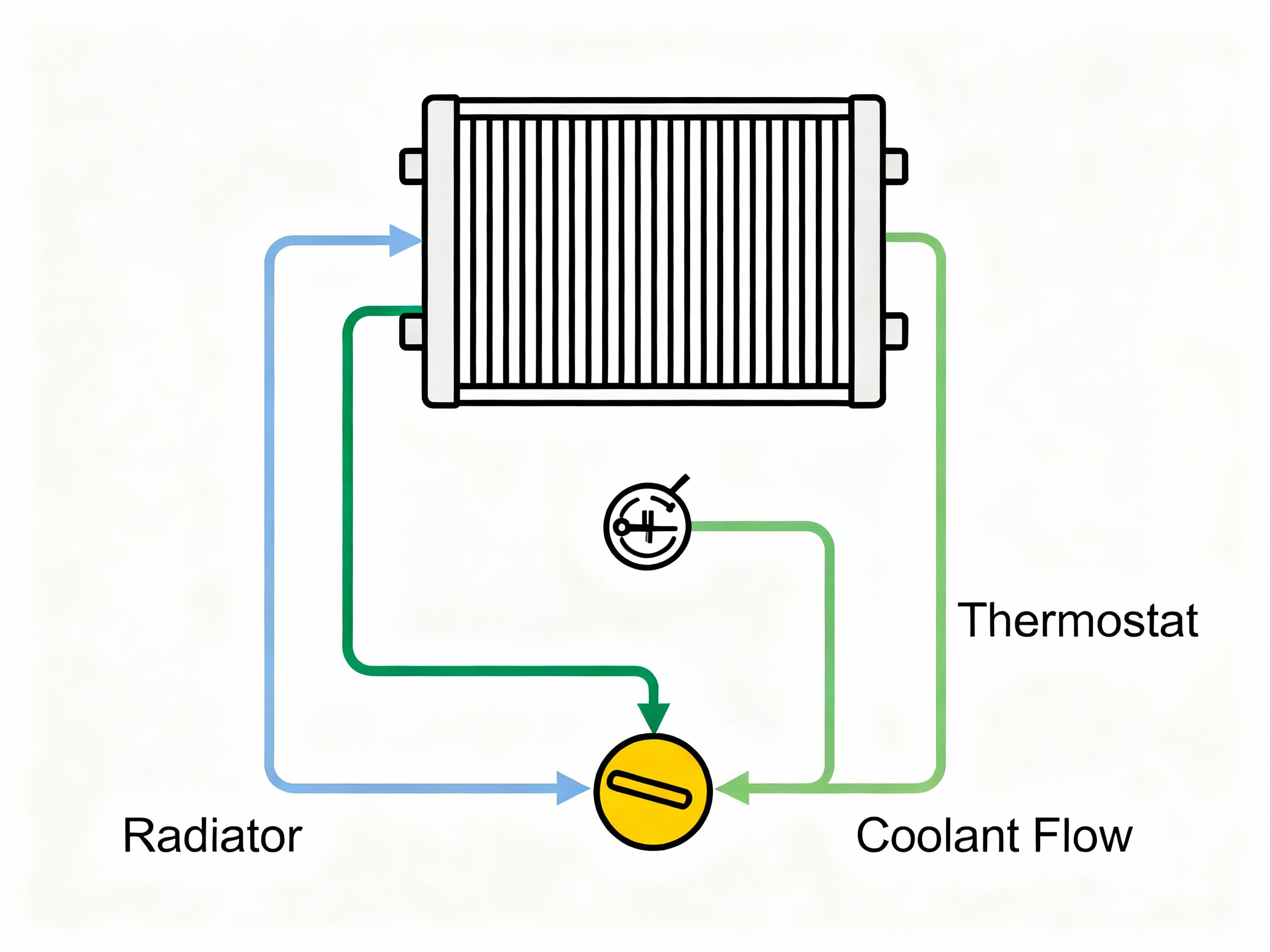
- Faulty Thermostat: The thermostat controls the flow of coolant to maintain the engine at its ideal operating temperature. If it gets stuck in the closed position, it restricts coolant flow, causing the engine to overheat. Maintaining the thermostat is vital for engine health.
- Radiator Blockages: Debris or corrosion can clog the radiator, reducing its efficiency in dissipating heat. This blockage prevents the coolant from circulating properly, which can result in overheating. Regular maintenance can help alleviate this problem.
- Water Pump Failure: The water pump circulates coolant throughout the engine and radiator. If it fails, coolant flow is disrupted, leading to an increase in engine temperature and potentially overheating. Timely inspections of the water pump are crucial for preventing overheating.
- Hose Leaks: Damaged or worn hoses can lead to coolant leaks, which reduce the amount of coolant in the system. Any significant leak can cause the engine to overheat before the driver is even aware of the problem. Regular inspections during automotive maintenance can catch these issues early.
- Poor Engine Timing or Ignition Issues: If the engine timing is off or if there are ignition problems, the engine can run hotter than normal, potentially leading to overheating. Regular maintenance checks can help identify these issues early on and ensure optimal engine health.
Warning Signs of Overheating
Recognizing the warning signs of an overheating engine can help you take action before serious damage occurs. Here are some common indicators:
- Dashboard Indicators: Many modern vehicles are equipped with dashboard lights that signal various engine issues. Look for a temperature gauge that reads higher than normal or a warning light that resembles a thermometer. If you see either of these, it’s crucial to react immediately.
- Unusual Noises: Pay attention to sounds coming from the engine. If you hear a hissing or bubbling noise, it could mean that the engine coolant is boiling. Additionally, any sudden changes in engine noise can indicate potential problems, including overheating.
- Smoke: If you notice smoke emerging from the hood, this is a clear sign of trouble. It’s often an indication of overheating, engine failure, or other serious issues. Always take smoke seriously and avoid opening the hood until the engine has cooled down.
What to Do If You Notice These Signs
- Pull Over Safely: As soon as you notice warning signs, find a safe spot to pull over. Turning off the engine is the first step to preventing further overheating.
- Allow the Engine to Cool: Open the hood to help dissipate heat, but be cautious of hot air and steam. Wait for at least 30 minutes before attempting to check fluid levels or any other components.
- Check Coolant Levels: Once the engine cools, inspect the coolant level in the reservoir. If low, adding coolant might help—but remember to use the appropriate type for your vehicle.
- Seek Professional Help: If you are unable to identify the issue or the problem continues after addressing coolant levels, consult a professional mechanic. Operating an overheated engine can lead to extensive damage over time, so it’s best to get it checked promptly.
| Mainenance Tip | Frequency of Maintenance | Benefits |
|---|---|---|
| Regular Coolant Checks | Monthly | Prevents low coolant levels |
| Thermostat Replacement | Every 2 years | Ensures proper coolant flow |
| Radiator Flush | Every 2 years | Removes debris and improves cooling |
| Hose Inspections | Every 6 months | Identifies leaks and wear |
| Water Pump Inspection | Annually | Ensures consistent coolant circulation |
| Coolant Mixture Check | Every season | Maintains optimal freezing and boiling points |
User Experiences and Testimonials on Preventing Engine Overheating
User feedback highlights critical insights and common pitfalls in maintaining engine cooling systems effectively. Many drivers stress the importance of regular cooling system checks, including monitoring coolant levels, evaluating fan operation, and ensuring thermostat functionality. One user noted,
“I never realized checking the coolant was so crucial until I almost boiled my engine because of neglect. Now I make it a point to do it monthly!”
This reflects a general consensus that routine maintenance can prevent costly repairs.
However, neglecting such maintenance is a frequent mistake. Drivers have shared,
“I used water instead of coolant—big mistake! My car overheated on the way to work.”
This emphasizes the importance of using proper coolant and recognizing that water should never be a substitute in cooling systems. Additionally, drivers frequently overlook leaks in hoses or connections, which can lead to significant coolant loss and overheating episodes.
Another common experience is mishandling emergency situations. Newer drivers have expressed regret over actions taken during overheating, such as opening hot radiator caps or adding cold coolant directly into an already hot engine, further exacerbating damage. An experienced driver advised,
“Keep an emergency bottle of coolant in your car and know how to check your temperatures. Never push it when you see the gauge rising!”
This highlights the necessity for drivers to not only maintain their systems but also be educated on basic diagnostics and preventive measures.
Taking preventative steps, like committing to annual system flushes and utilizing manufacturer-recommended coolants, were recurrently recommended by users. These testimonials provide a valuable perspective on easily avoidable mistakes and underscore the essential practices needed for keeping engines cool and functioning smoothly.
In conclusion, maintaining your vehicle through regular maintenance is crucial to preventing engine overheating and ensuring the longevity and reliability of your engine. A proactive approach to checking fluid levels, inspecting hoses, and monitoring your cooling system can make a significant difference in avoiding overheating issues. By making these small efforts, you not only protect your engine but also save on costly repairs and ensure a safer driving experience.
A driver shared, “I didn’t realize how vital my coolant checks were until my engine’s failure left me stranded on a busy highway. The frustration and fear were overwhelming. I now understand, even a small oversight can lead to life-changing consequences. It’s just not worth neglecting regular maintenance.”
So do not hesitate—make a commitment to your vehicle’s health by scheduling routine maintenance or checking in with a mechanic today. Your engine will thank you for it!
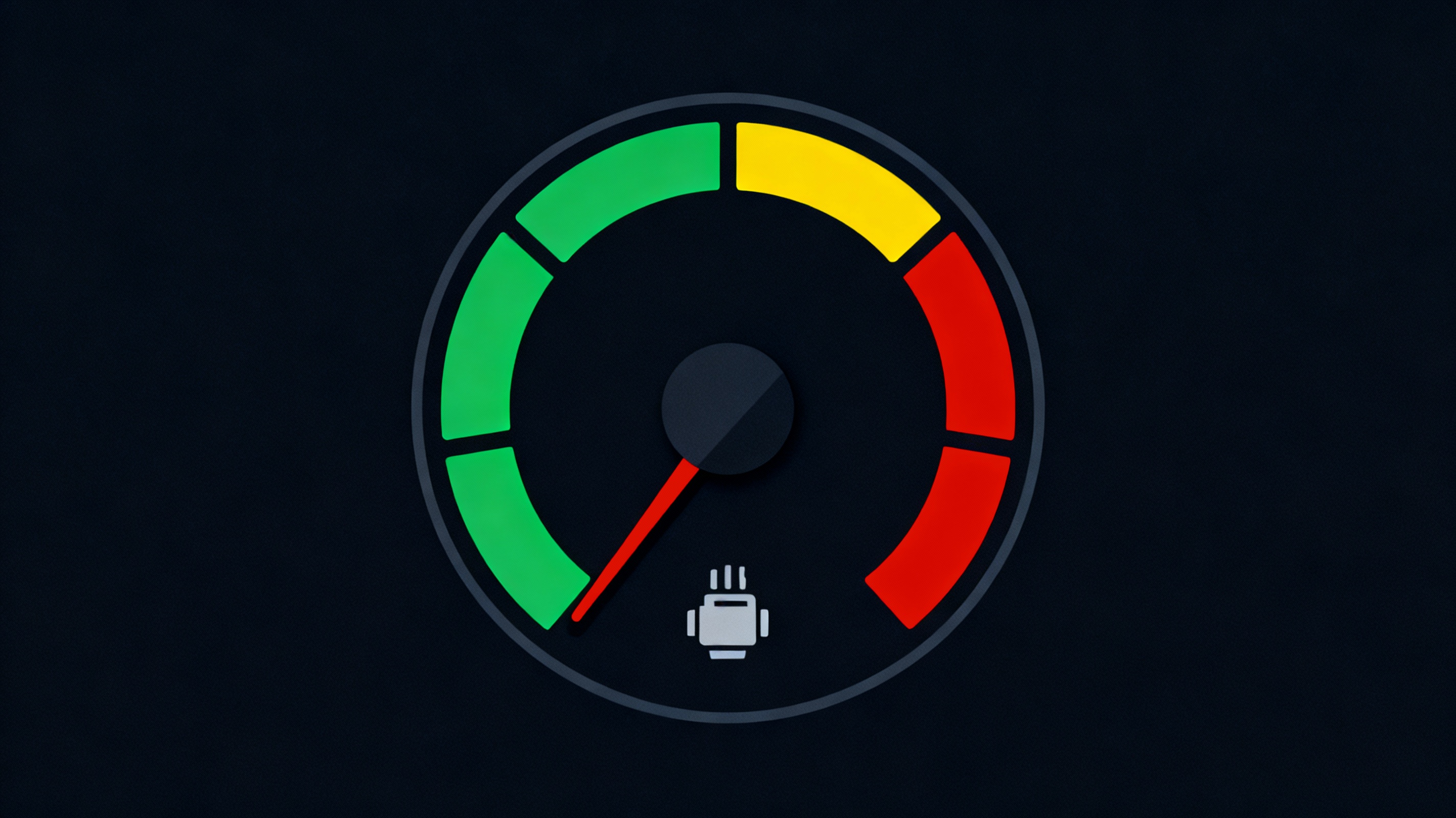
Recent Statistics on Engine Overheating Incidents
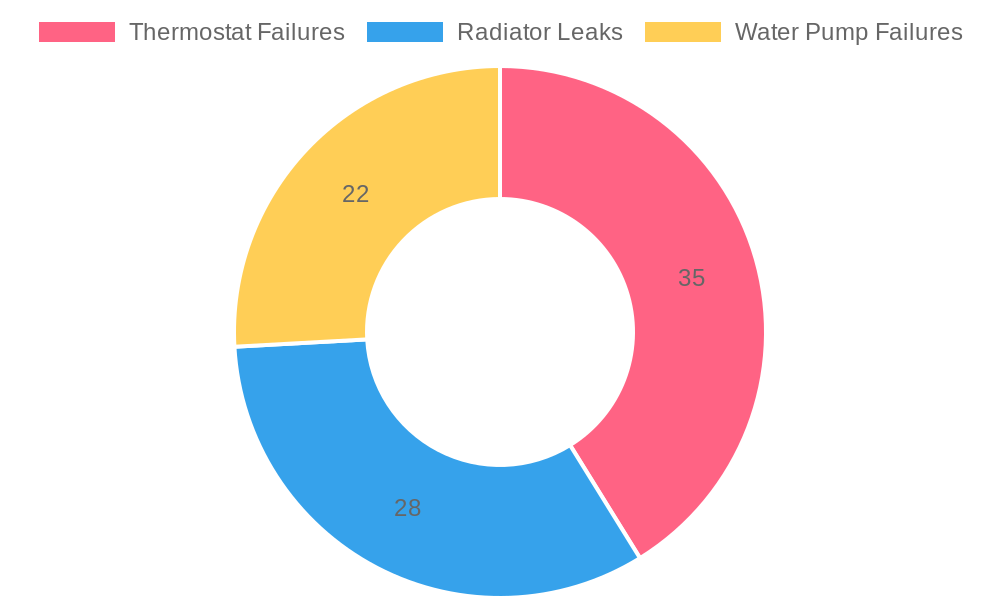
Engine overheating is a pressing issue for vehicle owners, particularly during warmer months. According to a 2022 study by the Automotive Service Association, engine overheating accounts for approximately 40% of all roadside assistance calls during summer. The primary cause of these overheating incidents is cooling system failures, with specific causes including:
- Thermostat failures: 35%
- Radiator leaks: 28%
- Water pump failures: 22%
Additionally, vehicles with over 100,000 miles are three times more likely to experience overheating issues than newer vehicles.
In a report by the National Highway Traffic Safety Administration (NHTSA), it was found that cooling system failures contribute to around 15% of all vehicle breakdowns annually. Notably, the incidence of overheating spikes during summer months when temperatures exceed 90°F. Preventive maintenance could avert up to 80% of overheating incidents, emphasizing the necessity for regular coolant flushes, radiator inspections, and timely replacements of hoses and thermostats.
Furthermore, the American Automobile Association (AAA) reported that engine overheating was the second most common cause of roadside assistance during heat waves, leading to over 1.2 million service calls in just June and July. Their findings suggest that 60% of these incidents could have been prevented with proper maintenance, such as checking coolant levels monthly and inspecting hoses for damage.
Finally, research from CarCare.org indicates that a severe overheating event can lead to up to $3,000 in engine damage, while repeated minor incidents can reduce engine lifespan by 30-40%. Preventive maintenance costs, averaging $150-300 annually, are significantly less than the potential $2,000-5,000 repair costs from overheating damage.
These statistics underscore the importance of adhering to manufacturer-recommended maintenance practices, as they can significantly mitigate the risk of engine overheating and its associated costs.
Actionable Engine Maintenance Checklist to Prevent Overheating
- Check Coolant Levels Regularly: Ensure the coolant reservoir is filled to the recommended levels. Check at least once a month and before long trips.
- Inspect Hoses: Examine your hoses for any signs of wear, cracks, or leaks. Replace any damaged hoses immediately to prevent coolant loss.
- Flush the Radiator: Conduct a radiator flush every two years to remove debris and maintain optimal cooling efficiency.
- Test the Thermostat: Verify that the thermostat is functioning correctly. Replace it if it is stuck in the closed position or showing irregular performance.
- Inspect the Water Pump: Ensure the water pump is circulating coolant efficiently; listen for any unusual noises that could indicate a problem.
- Ensure Unobstructed Airflow: Make sure the grill and air passages are free from leaves, dirt, or other debris that can obstruct airflow and cooling.
- Monitor Engine Temperature: Keep an eye on your temperature gauge while driving, especially during hot weather or when towing.
- Service the Cooling System: Have your cooling system evaluated by a professional mechanic annually. Look for leaks, corrosion, or signs of failure.
- Check Fan Operation: Ensure the cooling fans are working properly by observing them while the engine is running, especially in idle or stop-and-go traffic.
- Keep Emergency Coolant On Hand: Always have a bottle of coolant in your trunk in case of an emergency.
By following this checklist, you can significantly reduce the risk of engine overheating and extend the life of your engine. Regular maintenance not only helps your vehicle run efficiently but also promotes safety on the road.